


Dien Hai Citadel, nestled along the picturesque Han River in Da Nang, is not merely a military architectural marvel but also a symbol of the indomitable struggle of the Vietnamese people throughout history. Constructed in 1813 during the reign of Emperor Gia Long, Dien Hai Citadel has withstood the test of time, enduring numerous historical upheavals, and has emerged as one of the most significant monuments in Central Vietnam.

The Genesis of History
Dien Hai Citadel was constructed with the primary purpose of safeguarding the port of Da Nang and the city from maritime invasions. Its strategic location, adjacent to the Han River and facing the East Sea, played a vital role in controlling trade and ensuring national security. In the tumultuous political landscape of the 19th century, the establishment of the citadel not only sought to fortify military strength but also embodied the vision of the Nguyen Dynasty in advancing economic development and national security.
Unique Architecture
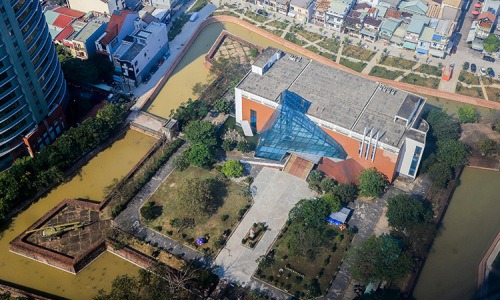
The architecture of Dien Hai Citadel embodies the Vauban style, characterized by its thick and robust stone walls. The citadel is configured in a large rectangular shape, with pointed corners designed to optimize defensive capabilities. The surrounding water moat not only serves a protective function but also creates a refreshing green space within the area. The grand gate, intricately designed, stands as a striking focal point, capturing the attention of visitors from their very first approach.

Within the citadel, architectural structures such as guard towers, storerooms, and barracks for the sentinels are thoughtfully arranged. These spaces serve not only military purposes but also stand as poignant reminders of many historical memories. The remnants of battles and the resistance against French colonial forces in the early 20th century have left an indelible mark on the hearts of the people of Da Nang.


The Role in History
Dien Hai Citadel has witnessed numerous significant historical events. In the early years of the 20th century, during the French colonization of Vietnam, the citadel emerged as a pivotal stronghold for the people of Da Nang in their resistance. It served not only as a refuge for patriots but also as a symbol of unwavering spirit and the determination to attain independence.
Furthermore, Dien Hai Citadel played a crucial role in the subsequent struggle against American forces. With numerous battles unfolding in the region, the citadel contributed to critical turning points in the national liberation war.

Cultural Heritage and Preservation
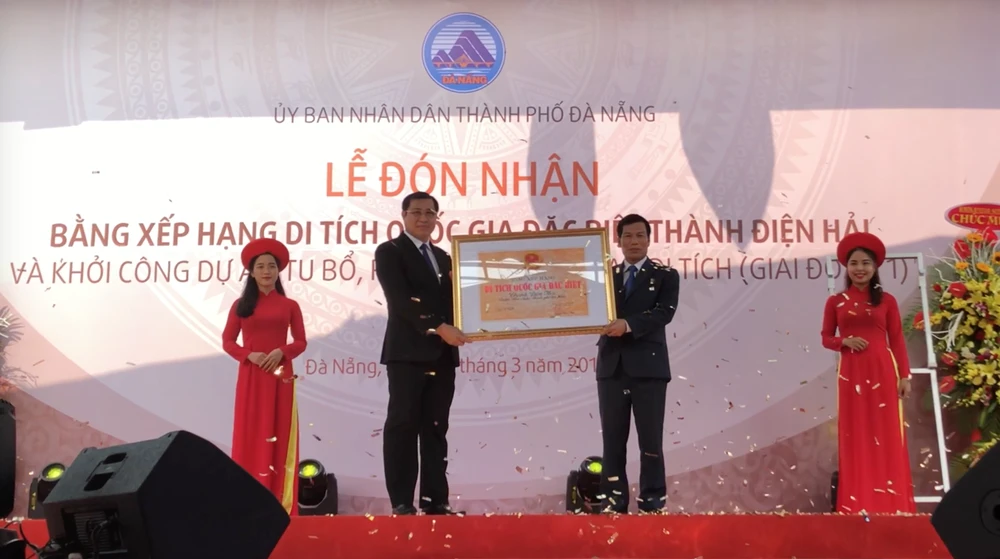
In 1976, Dien Hai Citadel was recognized as a national historical monument, marking an acknowledgment of the cultural and historical significance of this remarkable site. To preserve and enhance the value of the citadel, relevant authorities have undertaken numerous protective measures, renovations, and initiatives to develop the surrounding area.
Conclusion
Dien Hai Citadel, with its rich history and unique architecture, is an indispensable part of the cultural heritage of Da Nang and Vietnam. This monument serves not only as a symbol of military strength but also as a testament to the resilient spirit of the people. The preservation and enhancement of the citadel’s value are essential for future generations to gain a deeper understanding of the nation’s history and culture, while also evoking the glorious memories of the struggle for independence.