


Thailand reduces visa free stay from 60 days to 30 days for citizens of 93 eligible countries in early 2026. The decision marks a major adjustment in the country’s immigration strategy. Authorities want to refocus on short-term tourism and reduce concerns about illegal employment. The policy change has created discussion across the global travel industry. Many international visitors welcomed the 60-day stay after the pandemic. However, the Thai government now believes the shorter period better protects the labor market and strengthens regulatory oversight.
If you are planning Thailand travel this year, you need to understand how this new regulation may affect your trip.
Explore more about DaNang365 here!
Why Thailand Reduces Visa Free Stay In 2026
The 60-day visa-free period started in July 2024. The government introduced it to revive tourism after the pandemic. International arrivals had fallen sharply. Thailand wanted to attract more visitors and encourage longer stays.
The strategy worked in many ways. Tourist numbers increased. Spending rose in major destinations like Bangkok, Phuket, and Chiang Mai. Hotels, restaurants, and tour operators benefited from extended visits.
However, authorities also noticed unintended consequences. Some visitors used the visa free system for purposes beyond tourism. Officials reported an increase in:
-
Illegal employment
-
Operating unregistered businesses
-
Managing tour companies without permits
-
Overstaying beyond approved periods
The government concluded that the extended stay created enforcement challenges. As a result, Thailand reduces visa free stay back to 30 days. Officials believe this change aligns better with the original tourism purpose.
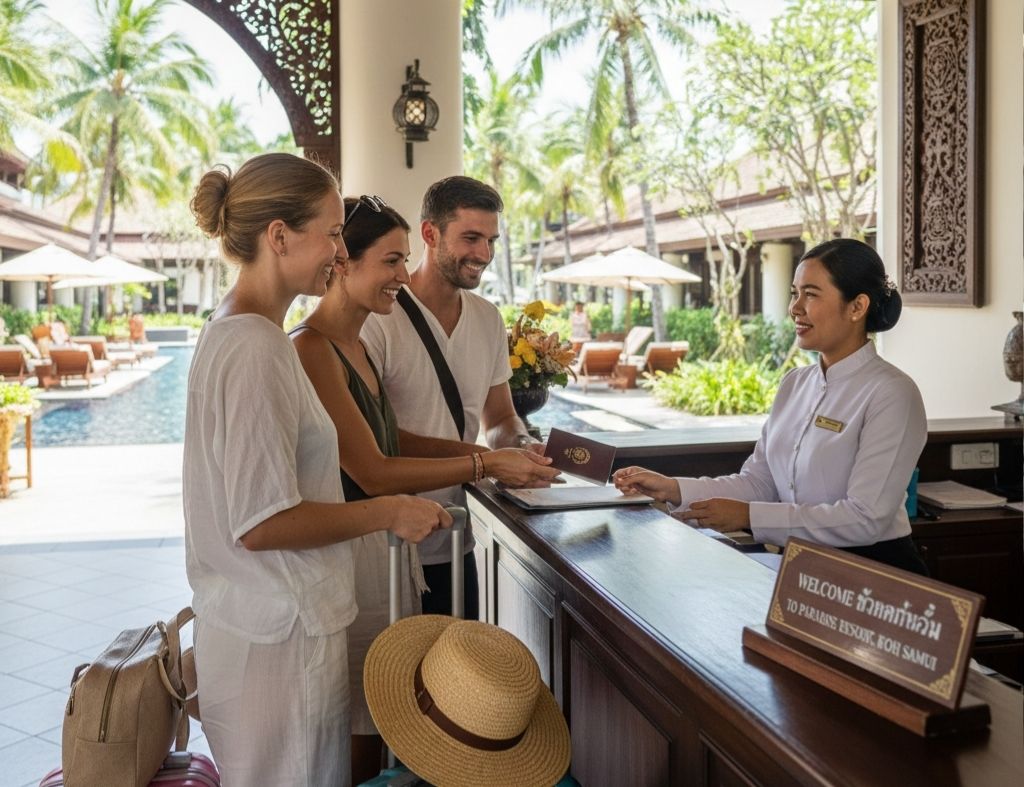
Understanding The New Visa Policy Thailand Implements
Under the updated visa policy Thailand confirms that:
-
Citizens from 93 eligible countries still qualify for visa free entry.
-
The permitted stay decreases from 60 days to 30 days.
-
The list of eligible countries remains unchanged.
-
Travelers may apply for a 30-day extension at a Thai immigration office.
This adjustment restores the pre-pandemic framework. Before COVID-19, Thailand allowed most visa-exempt visitors to stay for 30 days.
The government emphasizes balance. Officials want to promote tourism. At the same time, they want stronger immigration control. The shorter stay reduces risks linked to informal employment and long-term residence without proper visas.

How The Change Impacts Thailand Travel Plans
If you plan Thailand travel in 2026, review your itinerary carefully. Many travelers structured two-month stays under the previous rule. Digital nomads, long-stay tourists, and remote workers particularly benefited from the 60-day period.
Now you must adjust your schedule if you plan to stay longer than 30 days.
You have several options:
-
Apply for a 30-day extension at an immigration office.
-
Apply for a tourist visa before arrival if you plan a longer visit.
-
Explore other long-stay visa categories depending on your purpose.
Immigration officers must approve extension requests. You cannot assume automatic approval. Authorities expect visitors to follow all entry regulations.
Short-term travelers may experience little impact. Most vacationers stay between 7 and 21 days. For them, the updated visa free rule will not significantly change travel plans.

The Link Between Visa Free Policies And Illegal Employment
The government made clear that enforcement concerns influenced the decision. Officials observed a rise in foreigners working without proper permits. Some individuals entered under visa free status but engaged in commercial activities.
These practices create several problems:
-
They distort the local labor market.
-
They create unfair competition for Thai businesses.
-
They reduce regulatory oversight in tourism services.
By shortening the visa free period, authorities aim to discourage misuse. The government wants visitors to apply for appropriate work permits or business visas if they intend to operate legally. The new framework strengthens compliance without fully restricting tourism growth.
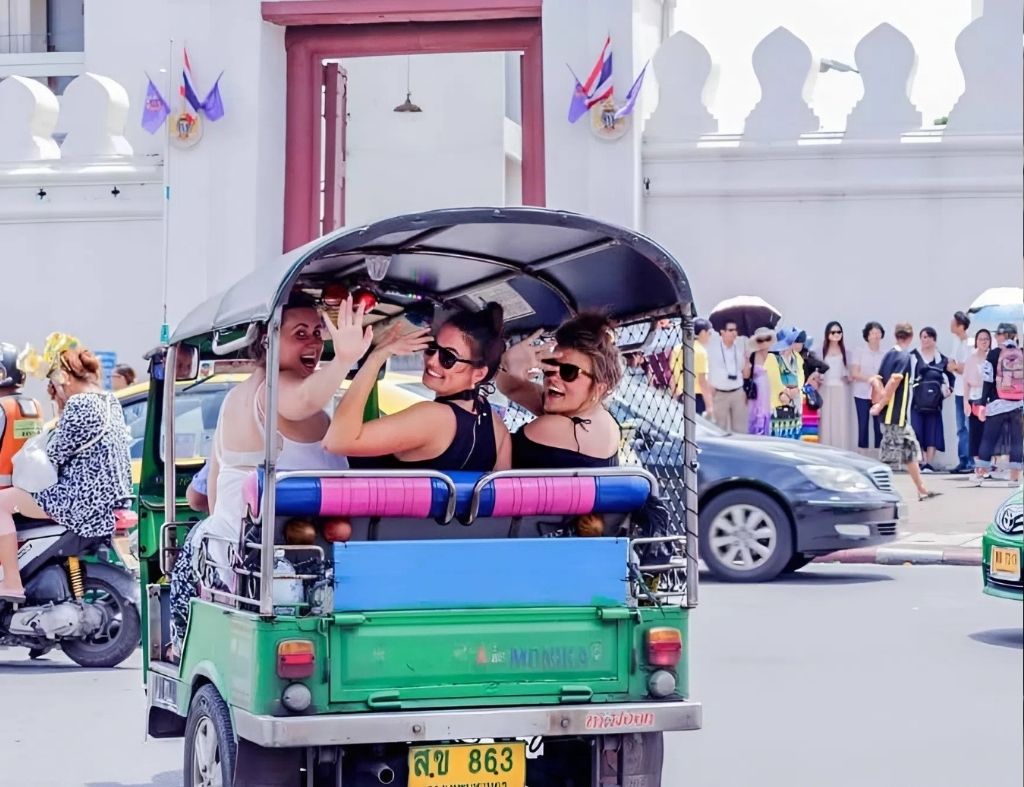
What This Means For Living In Thailand
Many foreigners consider living in Thailand due to its lifestyle, affordability, and culture. Cities like Pattaya and islands such as Koh Samui attract long-term residents.
However, visa free entry does not equal legal residency. The government distinguishes clearly between tourism and living in Thailand.
If you plan extended stays, you should explore:
-
Long-term tourist visas
-
Retirement visas
-
Education visas
-
Business or work visas
The recent adjustment reinforces this distinction. Authorities want individuals who plan long-term residence to follow proper immigration channels.
This clarity may actually benefit serious investors and residents. A more structured system improves transparency and regulatory confidence.

Industry Reactions To Thailand Reduces Visa Free Decision
Tourism operators express mixed reactions. Some worry that shorter stays may reduce spending per visitor. Longer stays often generate higher accommodation and dining revenue.
Others support the change. They argue that responsible tourism depends on clear rules and fair competition. Registered businesses want stronger enforcement against unlicensed operators.
International travel agencies now update advisory notices. Airlines and tour companies adjust communication materials. Travelers must remain informed to avoid overstays.
Despite concerns, Thailand remains one of Asia’s most accessible destinations. The visa free option still applies to 93 countries. The 30-day stay continues to support short holidays and cultural trips.

Implementation Timeline And What To Expect
As of now, the government has not announced the exact implementation date. The 60-day visa free period remains valid until the new regulation officially takes effect.
Travelers planning upcoming trips should:
-
Monitor official immigration announcements.
-
Confirm entry rules before departure.
-
Prepare necessary documents if requesting extensions.
Once the rule activates, border officers will enforce the 30-day limit consistently. Planning ahead prevents unexpected disruptions.
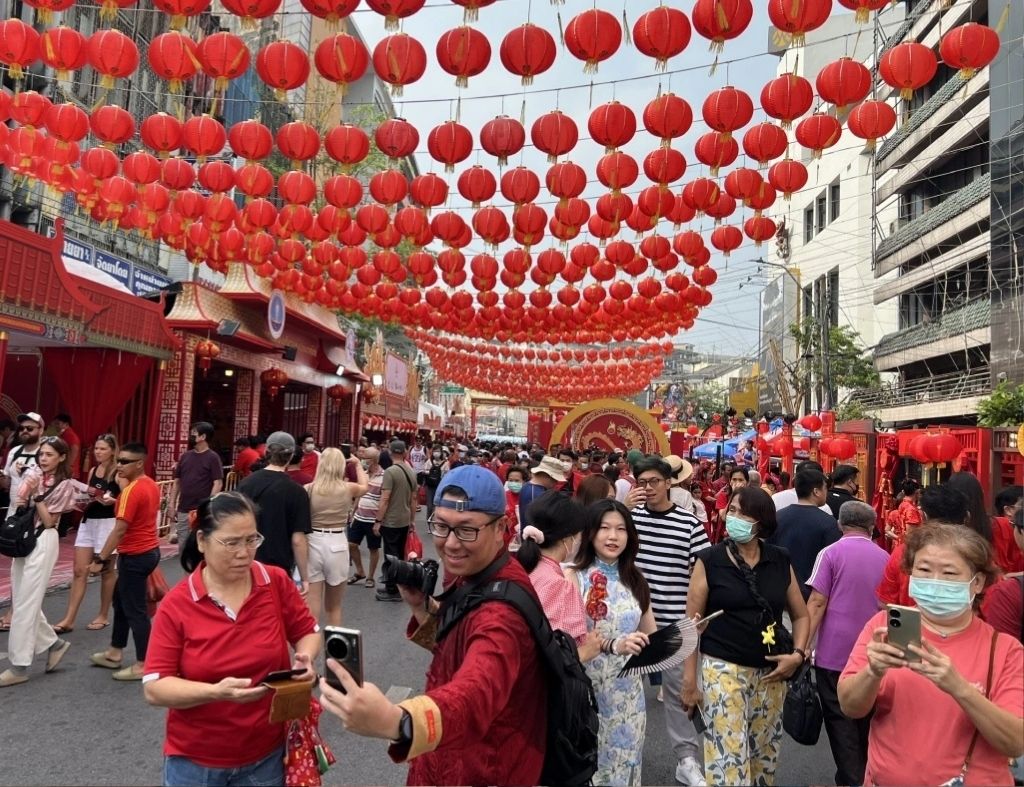
Balancing Tourism Growth And Regulatory Control
Thailand has long built its economy around tourism. The country offers beaches, temples, food culture, and vibrant nightlife. Tourism remains a major GDP contributor.
When Thailand reduces visa free stay, it signals a strategic recalibration rather than a restriction. The government wants sustainable growth. Officials seek to:
-
Protect local employment.
-
Maintain fair business competition.
-
Preserve immigration integrity.
-
Continue attracting quality tourists.
The policy does not eliminate flexibility. Travelers can still extend their stay legally. Authorities simply require clearer compliance.
This approach aligns with global immigration trends. Many countries now monitor visa exemptions more carefully to prevent misuse.

Key Takeaways About Thailand Reduces Visa Free Policy
Thailand reduces visa free stay from 60 days to 30 days for 93 eligible countries in early 2026. The government makes this decision to address illegal employment concerns and restore the original tourism focus of the exemption scheme.
The list of eligible countries remains unchanged. Travelers may still apply for a 30-day extension. However, visitors must comply strictly with immigration regulations.
For short vacations, the change will likely have minimal impact. For longer stays or those considering living in Thailand, proper visa planning becomes more important than ever.

Thailand continues to welcome international visitors. The country remains open for tourism, culture, and leisure experiences. At the same time, authorities reinforce a structured and sustainable immigration system. If you plan Thailand travel in 2026, stay informed, plan carefully, and follow the updated visa policy Thailand announces. Proper preparation ensures a smooth and enjoyable trip.
Find more information about Fanpage DaNang 365 here!