


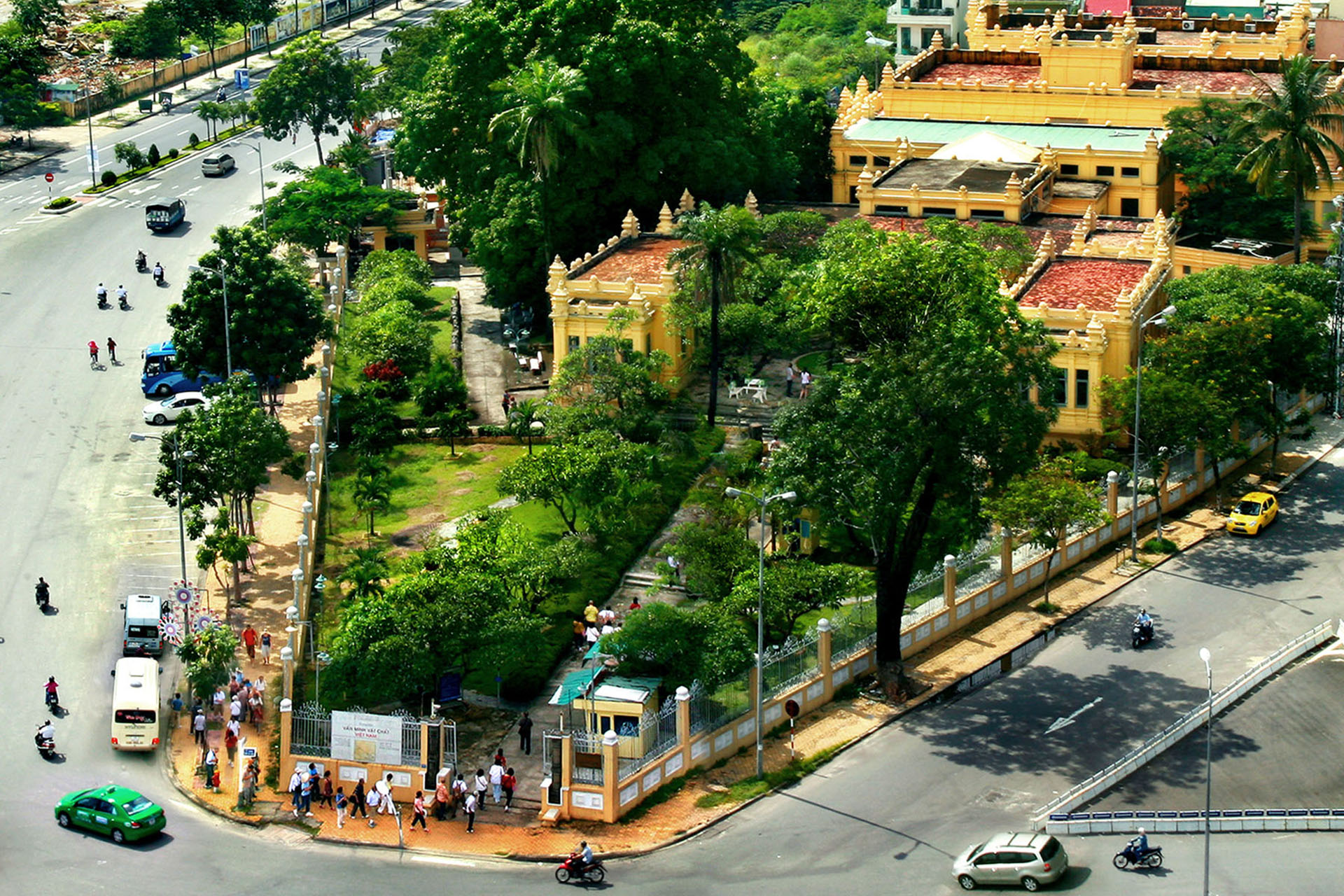

Situated in the heart of Da Nang, the Museum of Cham Sculpture is a must-visit for those interested in Vietnam’s ancient history. Renowned as the largest collection of Cham artifacts in the world, the museum provides an in-depth look into the artistic and cultural achievements of the Champa civilization, which flourished from the 2nd to the 15th century. With its rich history and iconic architectural style, the museum serves as a vital resource for understanding the heritage of this unique culture.
Address
No. 02, 2/9 Street, Hai Chau District, Da Nang, Vietnam.
Opening Hours
From 7:30 AM to 5:00 PM every day, including weekends and holidays.
Admission Fee
Adults: 60,000 VND per person
Students: 10,000 VND per person
Free: Admission for school children
Historical Development
Established in 1915, the museum was founded by French archaeologist and researcher Henri Parmentier, who aimed to preserve and showcase the Cham artifacts discovered in Central Vietnam. Over the years, the museum has expanded its collection to include over 2,000 pieces, making it a key institution for preserving the legacy of the Cham civilization.
Noteworthy Features
Architectural Significance
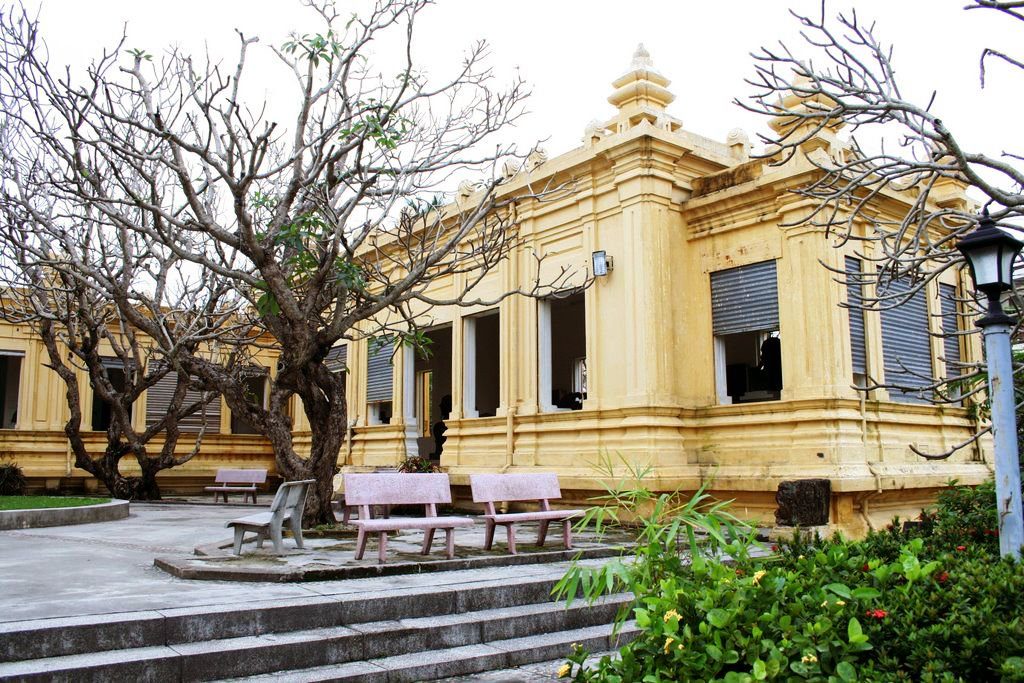
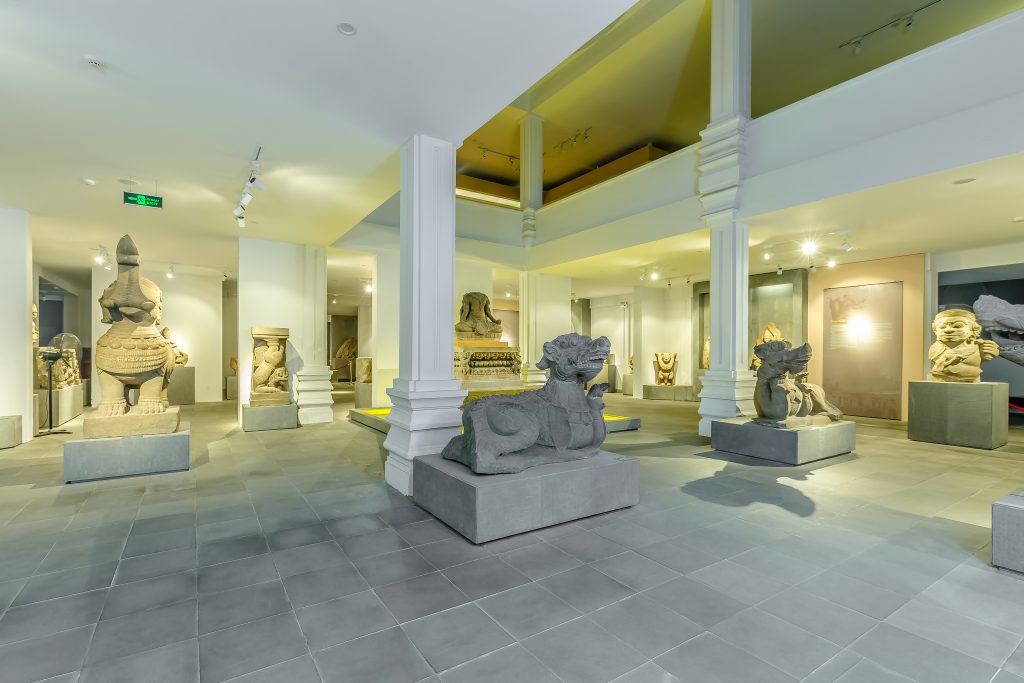
The museum itself is an architectural gem, designed in a neo-Romanesque style that harmoniously blends with traditional Cham elements. Its layout and design create a serene atmosphere, enhancing the appreciation of the artifacts displayed.
Exhibition Highlights
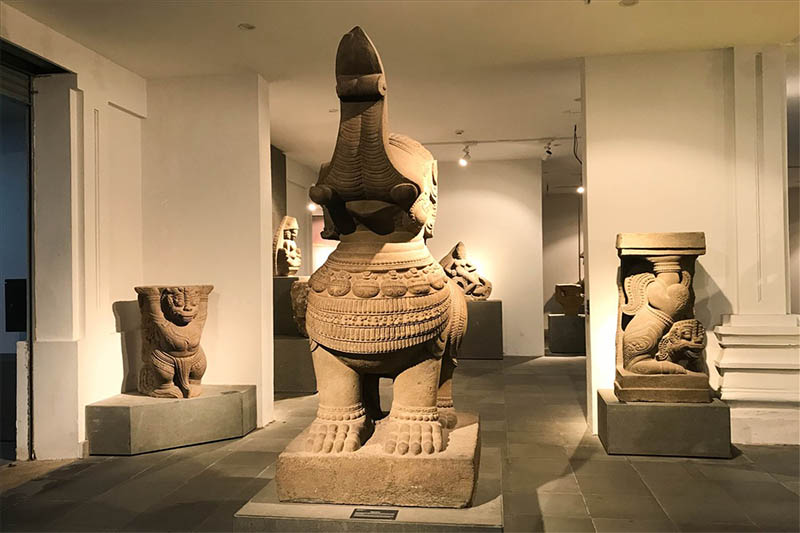
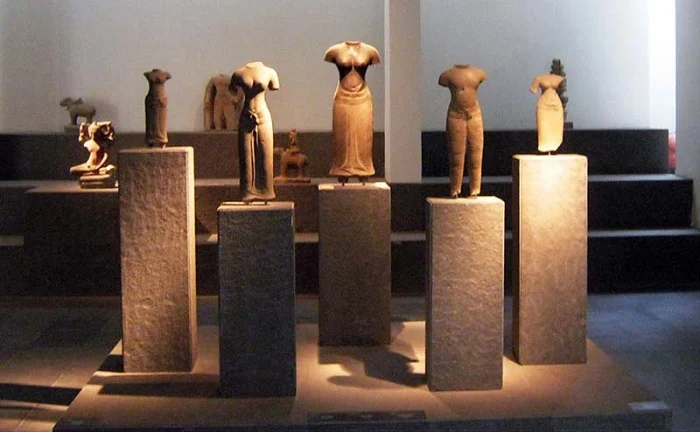
Visitors can explore various exhibition rooms, each showcasing different aspects of Cham culture, including sculptures, altars, and artifacts used in daily life. The layout allows for an immersive experience, guiding visitors through the historical timeline of the Champa civilization.
National Heritage
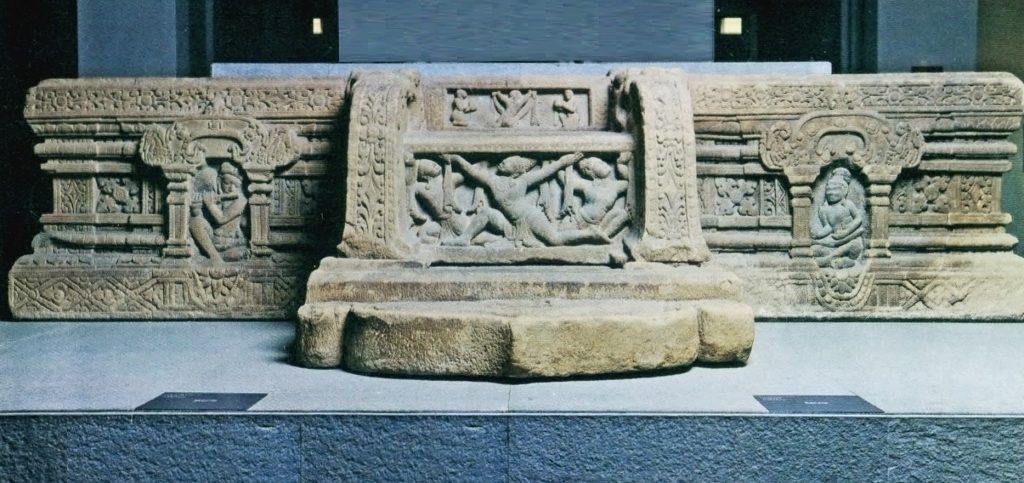
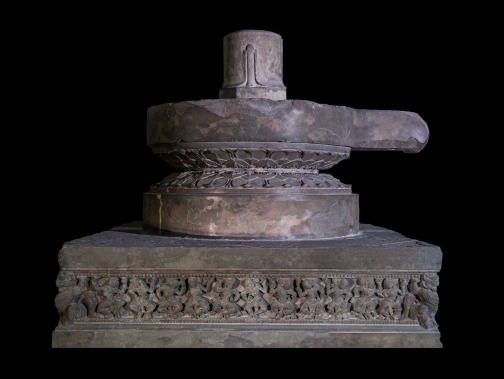
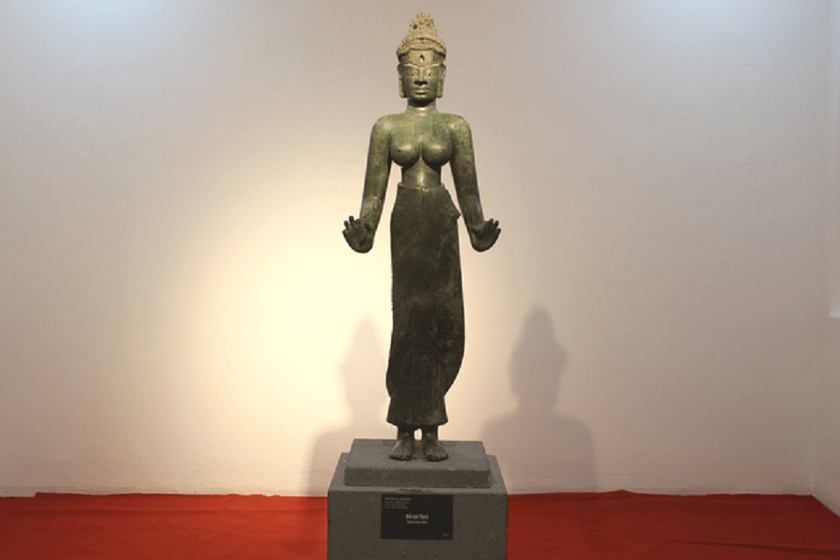
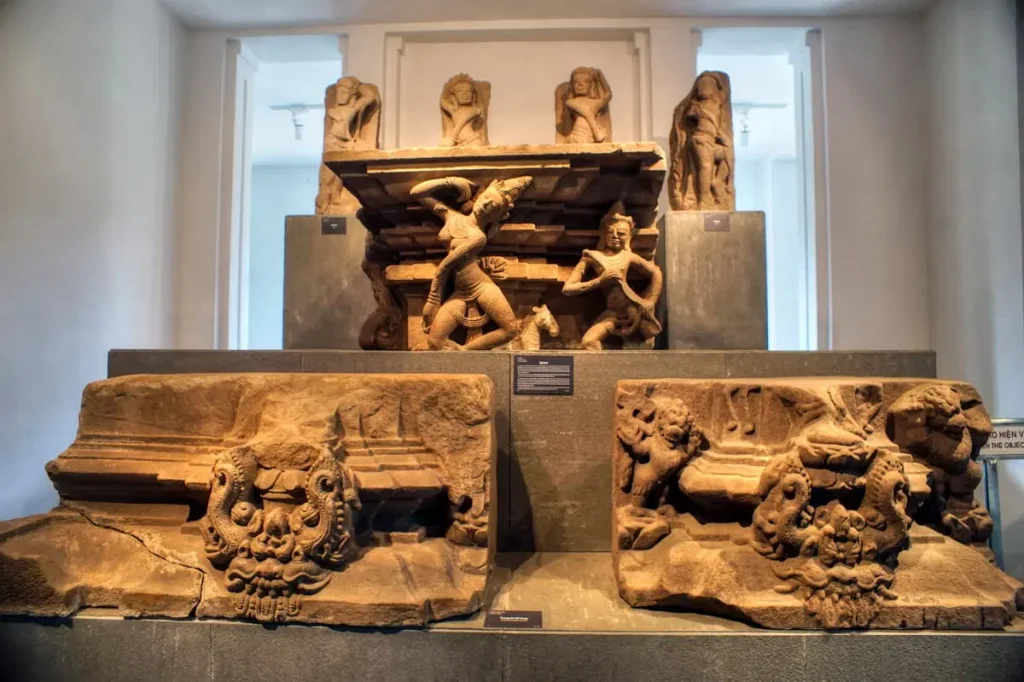
The Da Nang Museum of Cham Sculpture proudly houses three antiquities classified as national treasures, each embodying the rich cultural heritage of the Cham civilization. The My Son E1 Altar is a remarkable piece from the My Son Sanctuary, showcasing the advanced architectural techniques and artistry of its time. The Tra Kieu Altar, known for its intricate craftsmanship, provides valuable insights into the religious practices and beliefs of the Cham people. Lastly, the Tara Bodhisattva Statue stands as a stunning representation of compassion, illustrating the spiritual depth and artistic talent of Cham sculptors. Together, these national treasures not only enhance the museum’s collection but also serve as essential links to understanding the legacy and influence of the Champa civilization in Vietnam’s history.
Visitor Tips
- Best Time to Visit: Morning hours are ideal for exploring the museum without crowds, allowing for a more personal experience with the exhibits.
- Photography: Visitors are welcome to take photos, but it’s recommended to respect the artifacts and other guests.
- Guided Tours: Consider joining a guided tour to gain deeper insights into the artifacts and their historical context.
Conclusion
The Da Nang Museum of Cham Sculpture is more than just a museum; it is a cultural treasure that offers a window into the rich history of Vietnam’s Cham civilization. With its impressive collection, iconic architecture, and educational resources, it is a destination that every visitor to Da Nang should include in their itinerary. Make sure to explore this remarkable museum and immerse yourself in the fascinating world of Cham heritage.