


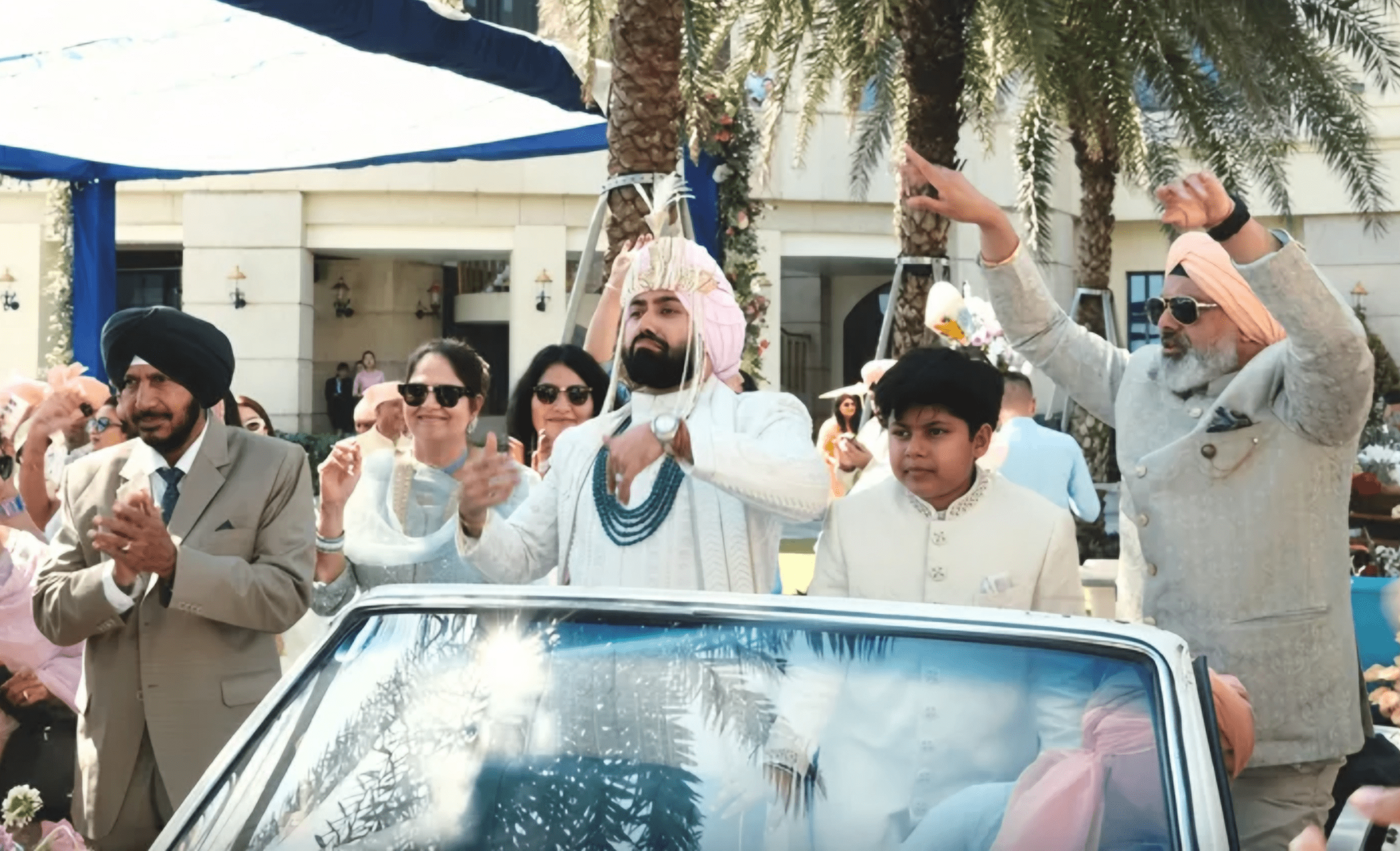

Da Nang is aggressively positioning itself as a highly attractive and competitive destination for high-end wedding tourism targeting the Indian market, driving the city to implement specialized promotional programs designed to maximize this considerable growth potential.
Exponential Growth and Strategic Market Entry
According to official figures from the Department of Culture, Sports, and Tourism, Indian visitor arrivals to Da Nang are demonstrating rapid, sustained growth. The city welcomed over 267 thousand Indian tourists during the first nine months of 2025, marking a two-fold increase compared to the same period last year and securing India’s place as the 3rd largest international source market.
Recognizing the immense potential of the “billion-person market,” where the demand for international travel – especially luxury wedding organization with very high spending levels – is surging, Da Nang has proactively executed strategic initiatives. These include establishing direct flight routes to major Indian cities and organizing specialized promotional campaigns, which successfully positions the city as the leading choice in Vietnam for the upscale wedding segment.
Infrastructure Integration and Exclusive Support Initiatives
Da Nang distinguishes itself as the first locality in Vietnam to launch a pilot program specifically designed to attract destination weddings. This unique initiative provides a wide range of compelling support packages, notably featuring welcoming messages on LED screens at Da Nang International Airport, organizing traditional art performances, presenting flowers and souvenirs to the couples, and offering supplementary services like flycam coverage, honeymoon night packages, and traditional cyclo experience tours.
Crucially, the municipal merger that created the new Da Nang city significantly elevates its market appeal by integrating destinations favored by Indian guests, such as Hoi An Ancient Town and the My Son Sanctuary. This integration results in a cohesive chain of tourism clusters with the necessary infrastructure-primarily concentrated along the coastal strip of the city-to meet the complex demands of large-scale wedding services.
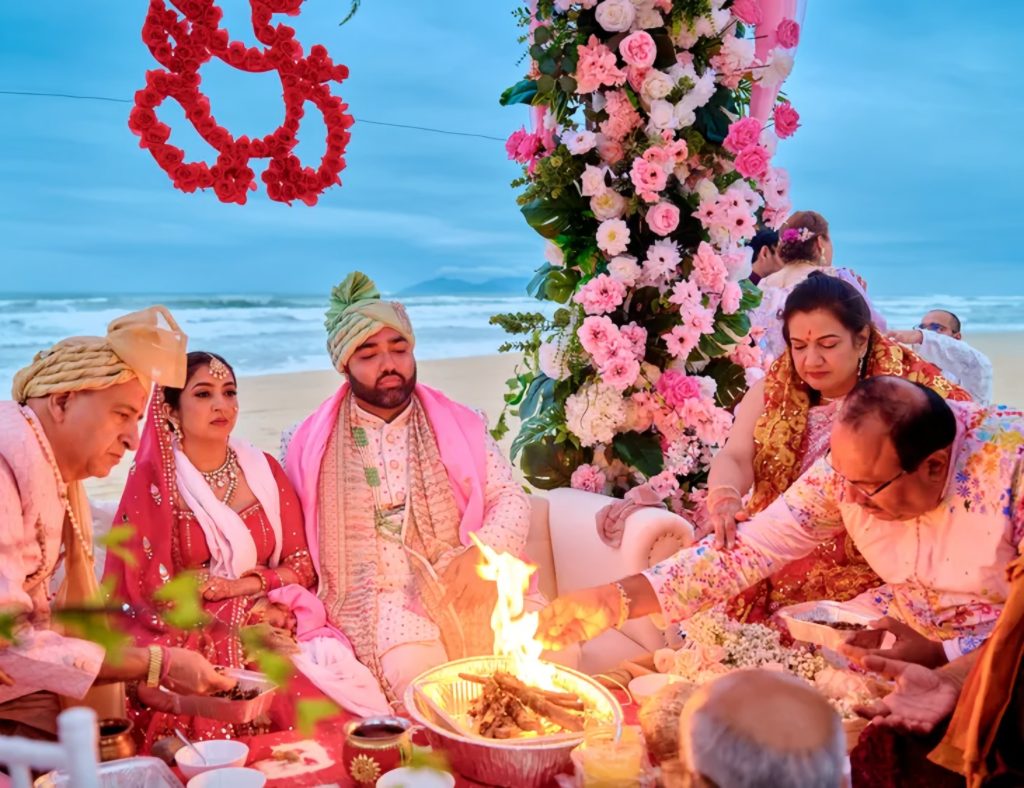
The Indian couple’s wedding ceremony was hosted on the Da Nang beachfront
Expert Validation of Cultural Competency and Capacity
During a recent famtrip hosted by the Da Nang tourism industry, top wedding organizers from India conducted a comprehensive site inspection, yielding overwhelmingly positive assessments.
Mr. Pradeep Chauhan, a famtrip delegate, observed that Da Nang delivers an impressive combination of luxury resorts, beautiful beaches, and warm hospitality—all considered essential factors for an Indian wedding. He expressed his belief that Da Nang has the potential to become “one of the most attractive new destinations” for Indian weddings in the coming years, citing the local hotels’ exceptional readiness to adapt to cultural needs (from traditional rituals and authentic Indian cuisine to multi-day festivals).
Mr. Murad Enver, Director of Sales and Marketing at Inventum Global, underscored Da Nang’s major competitive edge, particularly its culinary versatility. He noted that hotel culinary teams’ deep understanding of Indian cuisine, bolstered by reliable local partnerships, ensures guests experience the cultural familiarity of their home country. Mr. Enver confirmed that Da Nang’s modern hotel infrastructure, including large ballrooms, spacious outdoor venues, and coastal resorts, combined with experienced local partners, fully equips the city to host the elaborate traditional Indian weddings, which often involve large guest numbers and complex ceremonies like Mehndi, Sangeet, Baraat, and the main wedding ceremony.
Ultimately, Mr. Enver concluded that Da Nang has already become “one of the most prominent wedding destinations in Southeast Asia” due to its accelerated infrastructure development, internationally standardized resorts, and modern transport networks.