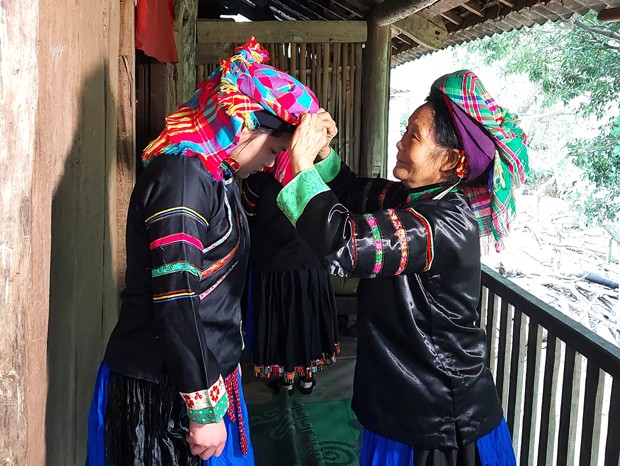
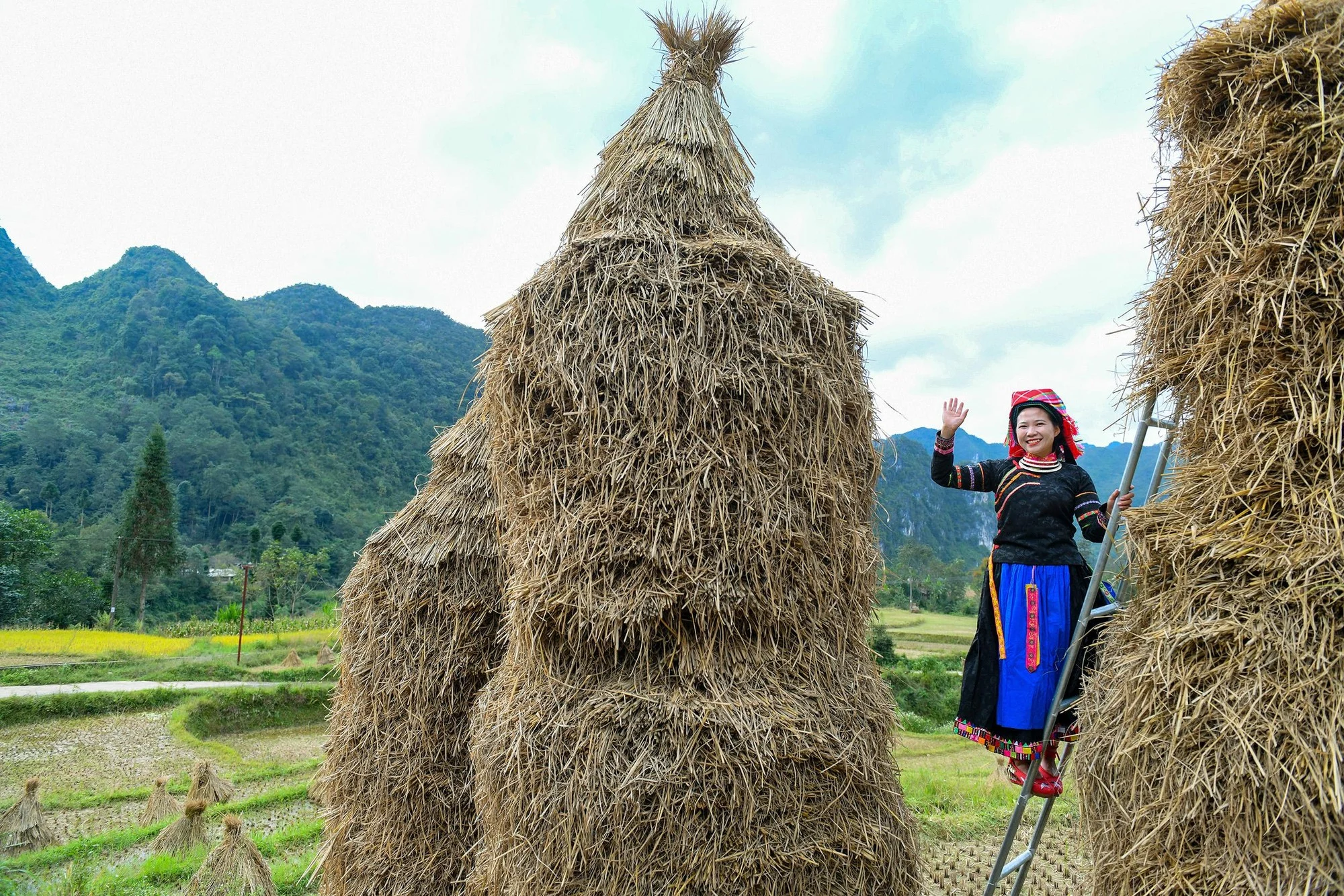
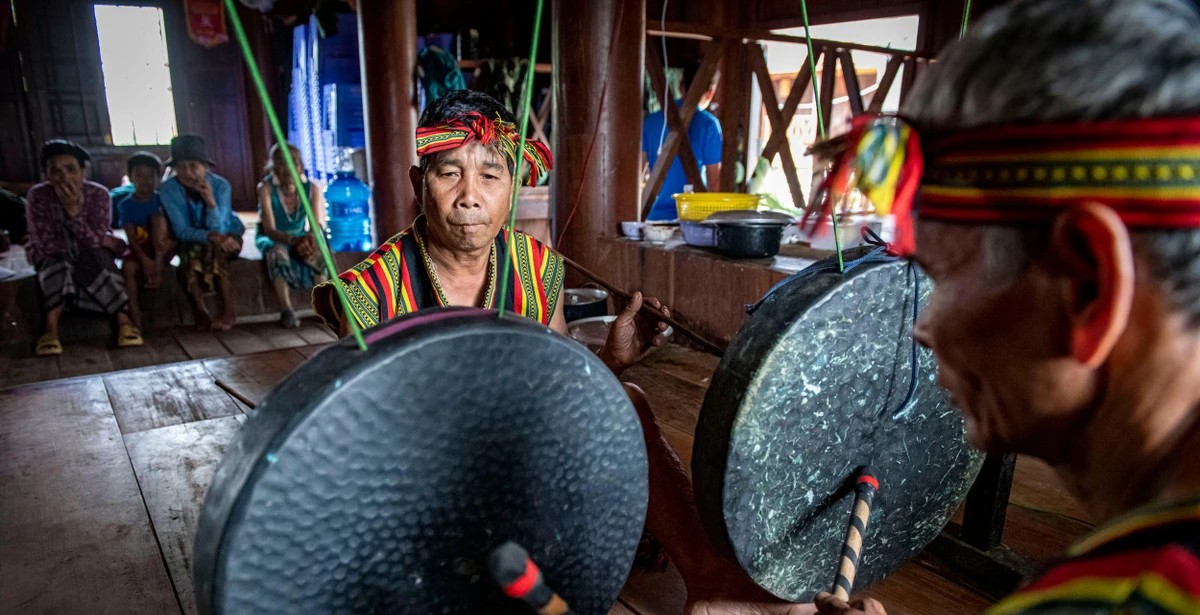
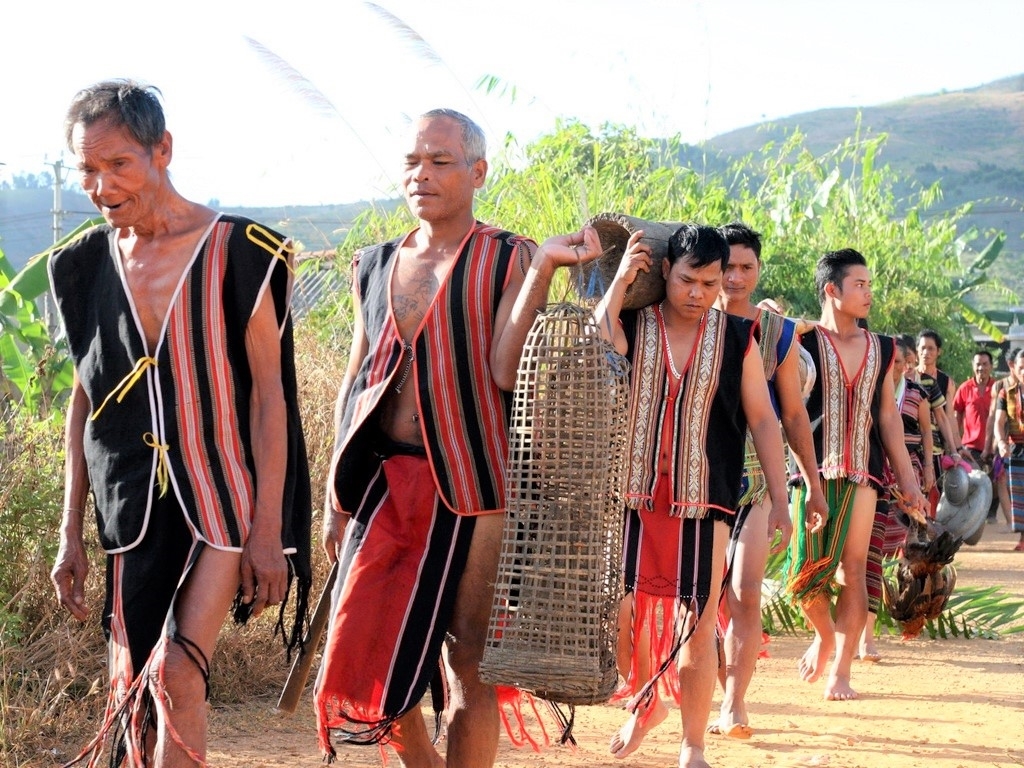
Ethnic Groups In Vietnam: 54 Unique Cultures (Part 5)

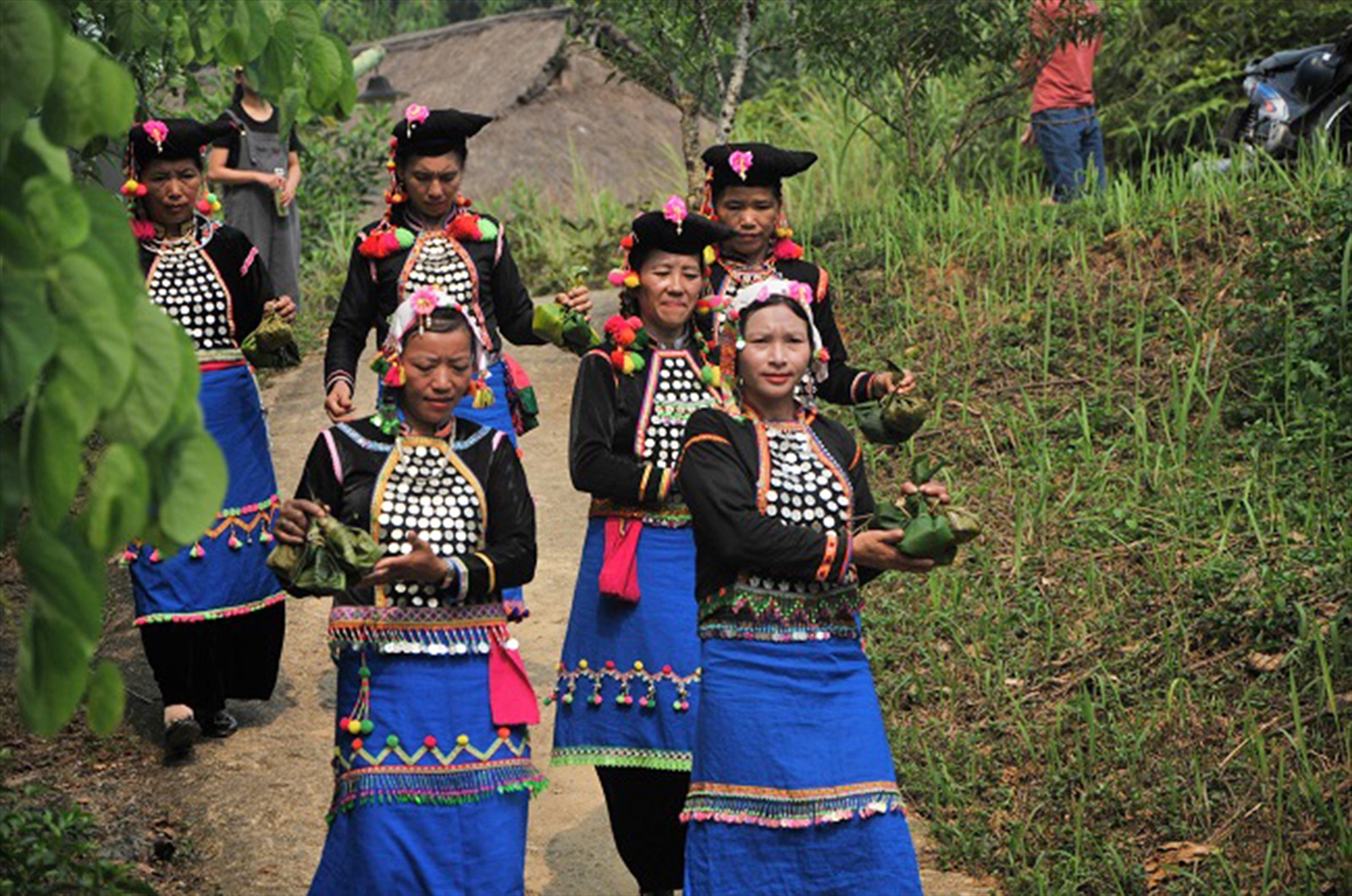
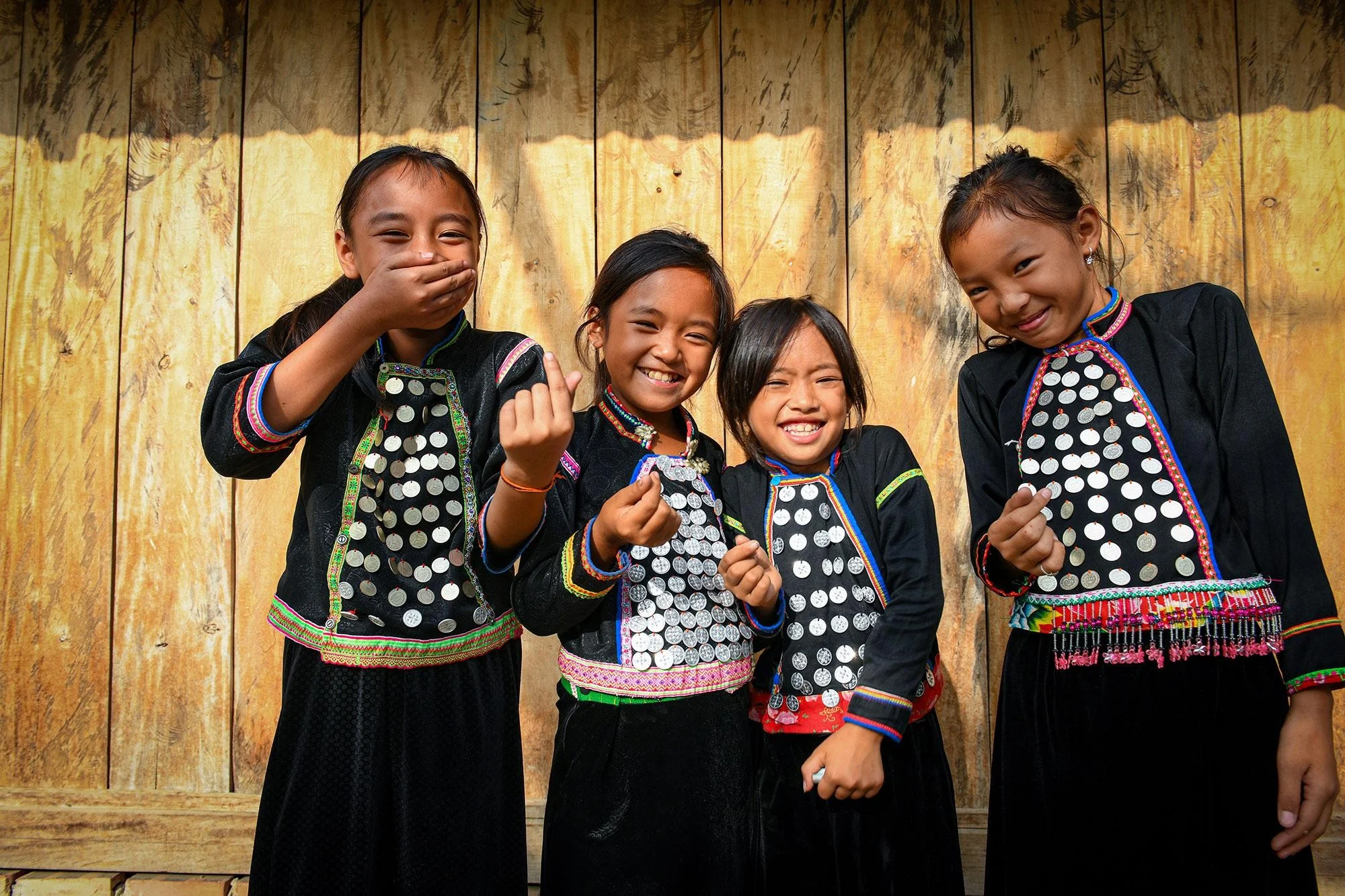
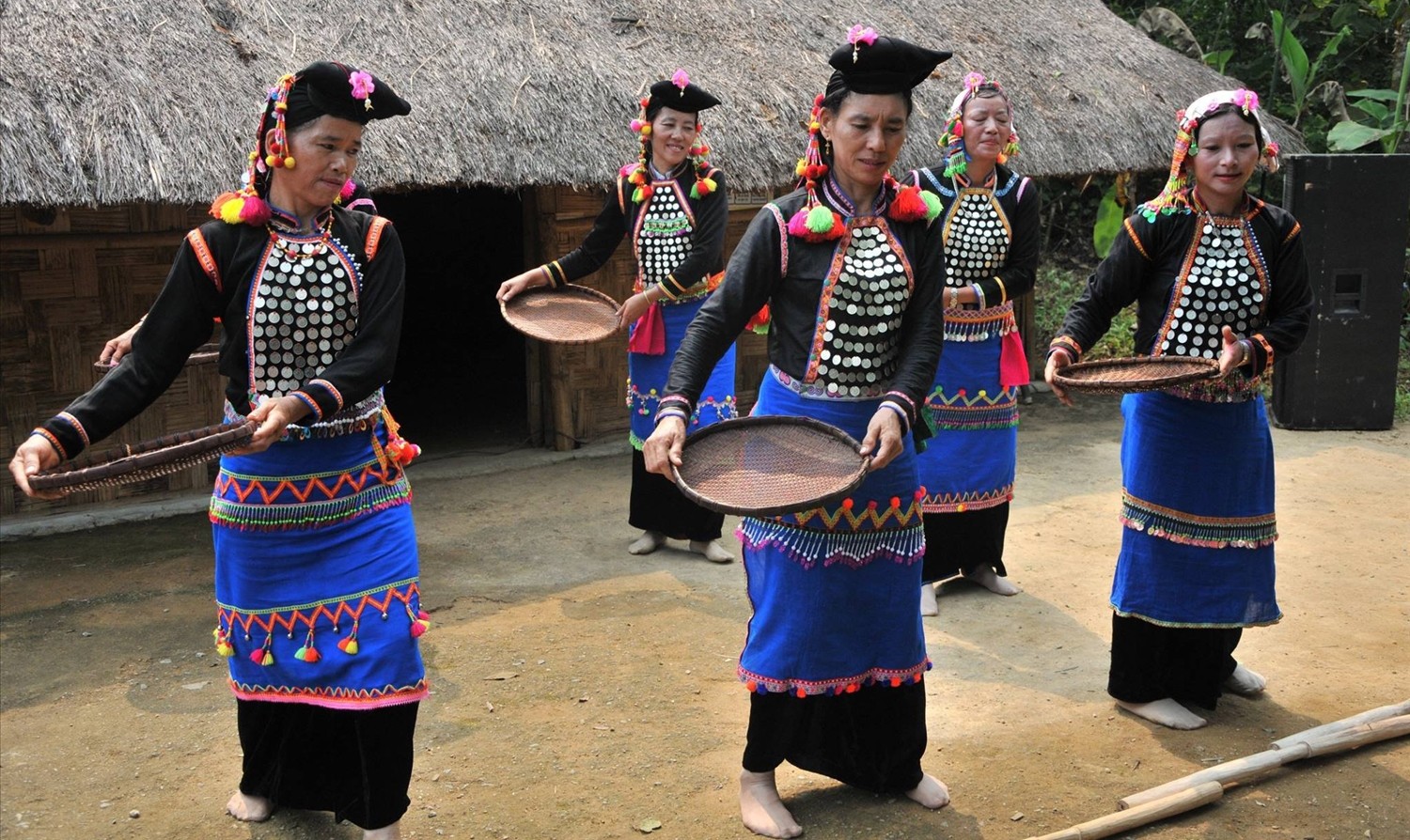
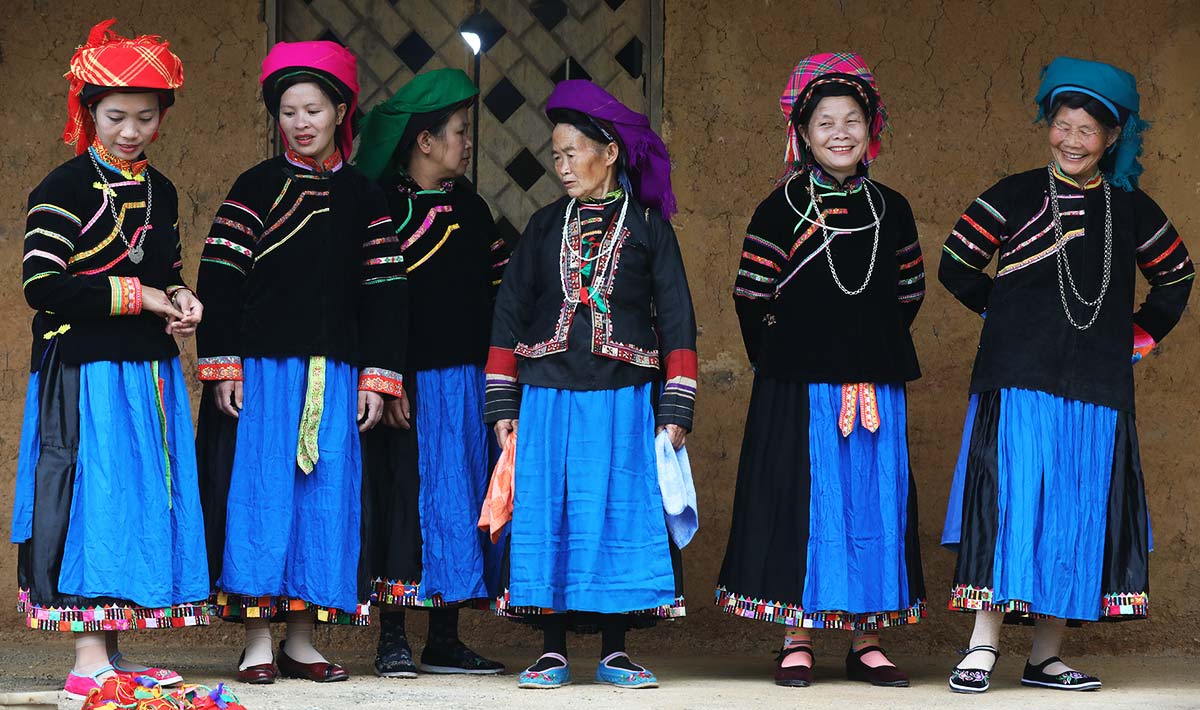
Discover the final part of our series on the ethnic groups in Vietnam, where we explore the last 12 communities that complete the picture of the nation’s rich diversity. As part of the 54 ethnic groups, each community carries its own history, language, and cultural identity that continues to shape Vietnam today.

In this Part 5, readers will learn about the history, language, geographic distribution, religion and beliefs, festivals, costumes, and economic conditions of these remaining groups. This section offers a deeper understanding of the ethnic groups in Vietnam and highlights how their traditions contribute to the country’s cultural heritage. Discover more cultural stories at danang365!
43. Chut Ethnic Group – A Distinct Community Within The Ethnic Groups In Vietnam

History

The Chut ethnic group is one of the smaller communities among the ethnic groups in Vietnam, belonging to the Viet-Muong linguistic group. Their ancient homeland was in the lowland areas of Bo Trach and Quang Trach districts in Quang Binh province. Over time, historical pressures such as wars and heavy taxation forced them to leave these areas and seek refuge in the mountains.

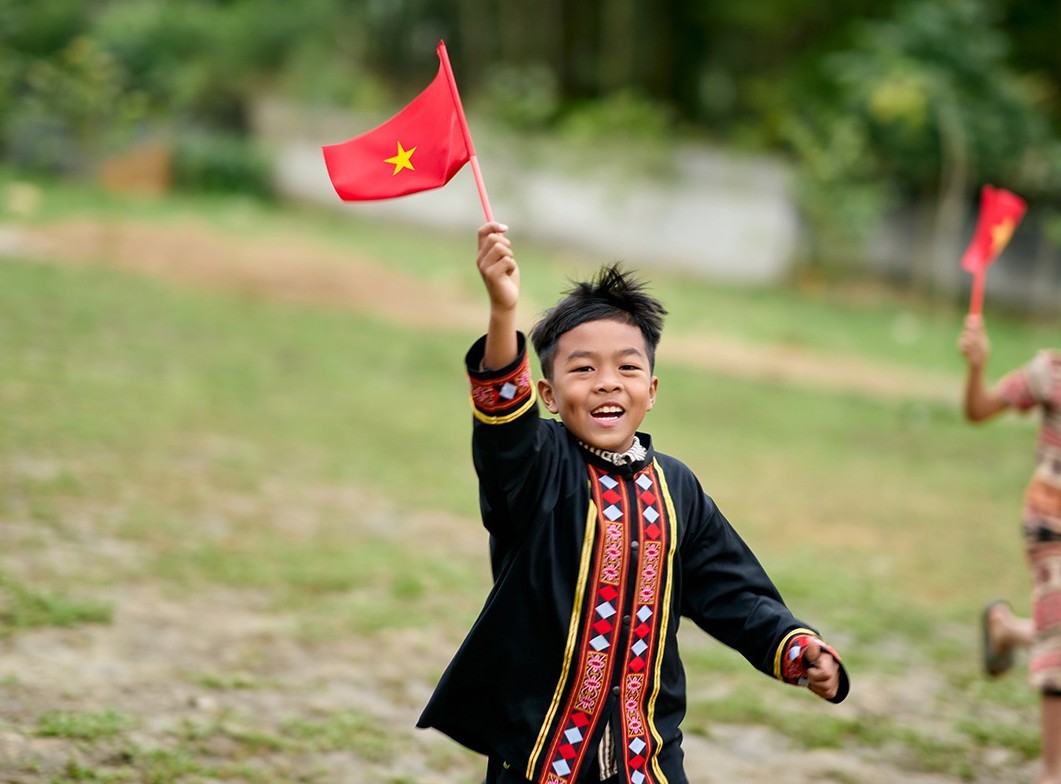
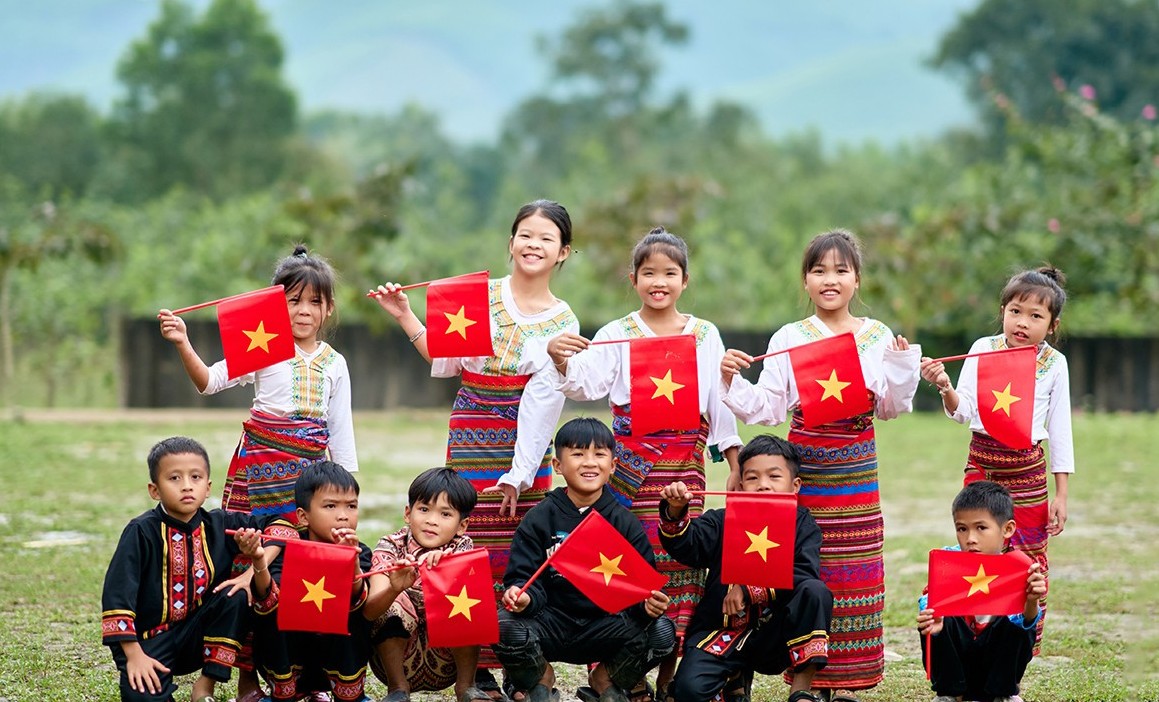
chut children

Many groups gradually moved deeper into the western mountainous regions of Minh Hoa and Bo Trach. Historical records and local genealogies suggest that subgroups like Ruc and Sach have lived in these remote areas for at least 500 years. This long history reflects both resilience and adaptation to harsh natural conditions.

Language

The Chut people speak languages that belong to the Viet-Muong group within the Austroasiatic language family. Among them, the Ruc language is one of the most commonly recognized linguistic forms.

Their language shares similarities with Vietnamese but still retains distinct phonetic and cultural elements. Today, many Chut people can also communicate in Vietnamese, especially the younger generation, which helps them integrate more easily into broader society while preserving their linguistic identity.

Geographic Distribution

The Chut consist of several subgroups, including Sach, Ruc, Arem, May, and Ma Lieng. They mainly live in mountainous districts such as Minh Hoa, Tuyen Hoa, and Bo Trach in Quang Binh province. A subgroup of Ma Lieng also resides in Huong Lien and Huong Vinh communes in Huong Khe district, Ha Tinh province.

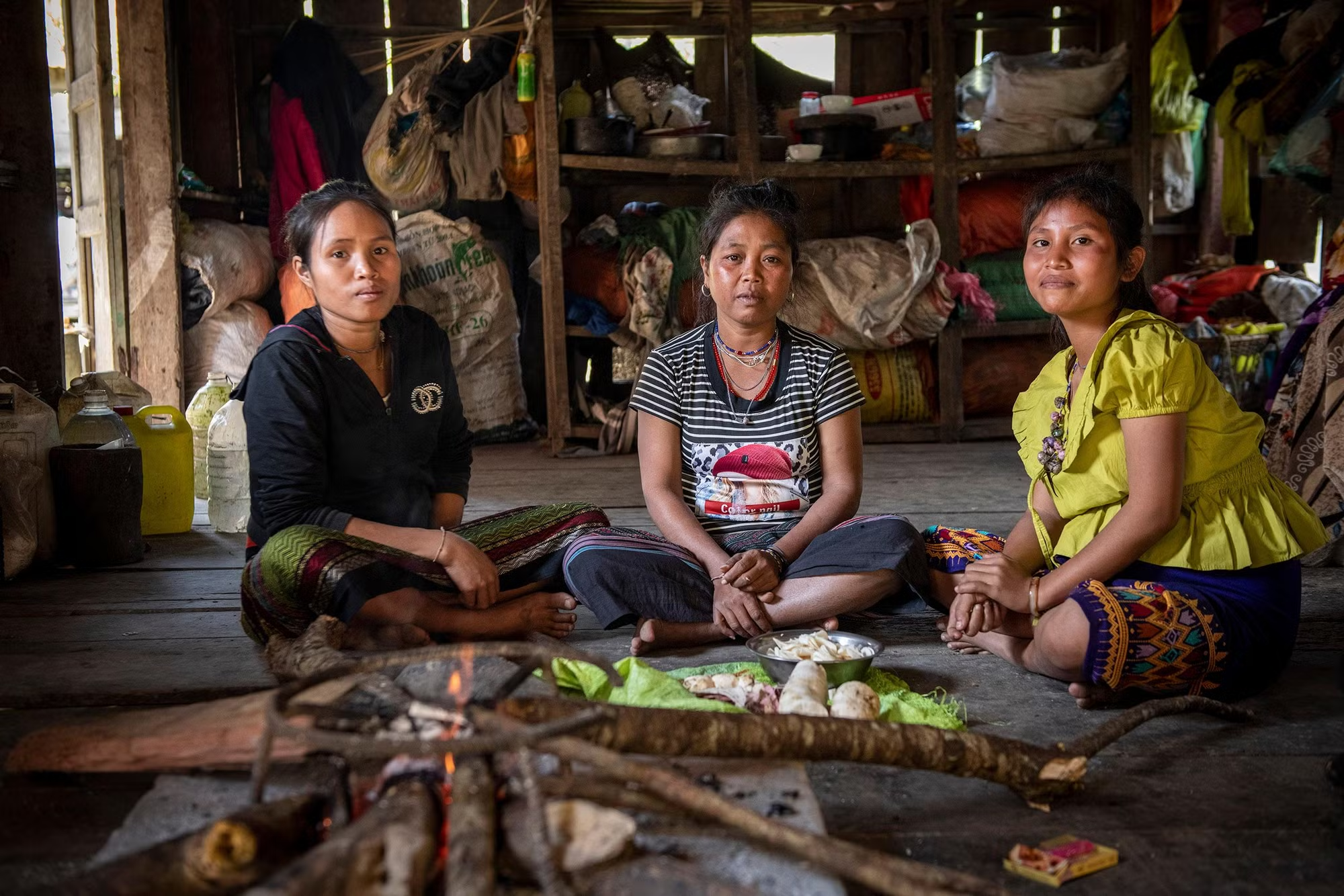
chut group

These areas are characterized by rugged terrain, steep hills, and dense forests. Rivers and streams divide the landscape, creating isolated living conditions. Such geography has significantly shaped their lifestyle, culture, and patterns of settlement.

Religion And Beliefs

The Chut people practice a form of animism combined with ancestor worship. They believe that all things, including humans, animals, and natural elements, possess souls. As a result, they worship various deities such as forest gods, river gods, earth gods, and rice spirits.

chut religion

Within the household, spiritual life also plays an important role. Many families believe in the presence of protective spirits associated with the kitchen and home. Rituals and offerings are commonly performed during agricultural cycles and important life events to seek protection and prosperity.

Festivals

Festivals of the Chut are closely linked to agricultural activities and spiritual beliefs. Ceremonies often take place during planting and harvesting seasons to honor deities and ensure good yields.

chut festival

Although their festivals are not as widely known as those of larger groups, they carry deep cultural meaning. These events strengthen community bonds and preserve traditional practices passed down through generations.

Costumes

Traditionally, the Chut people did not cultivate cotton or weave fabric. In the past, they wore simple clothing made from tree bark or natural materials, along with loincloths. These garments reflected their close relationship with nature and forest life.

chut costume

Today, most Chut people wear modern clothing similar to that of the Kinh or neighboring ethnic groups such as the Lao. Traditional attire is no longer common in daily life but remains an important symbol of their cultural heritage.

chut group costume

Economic Conditions

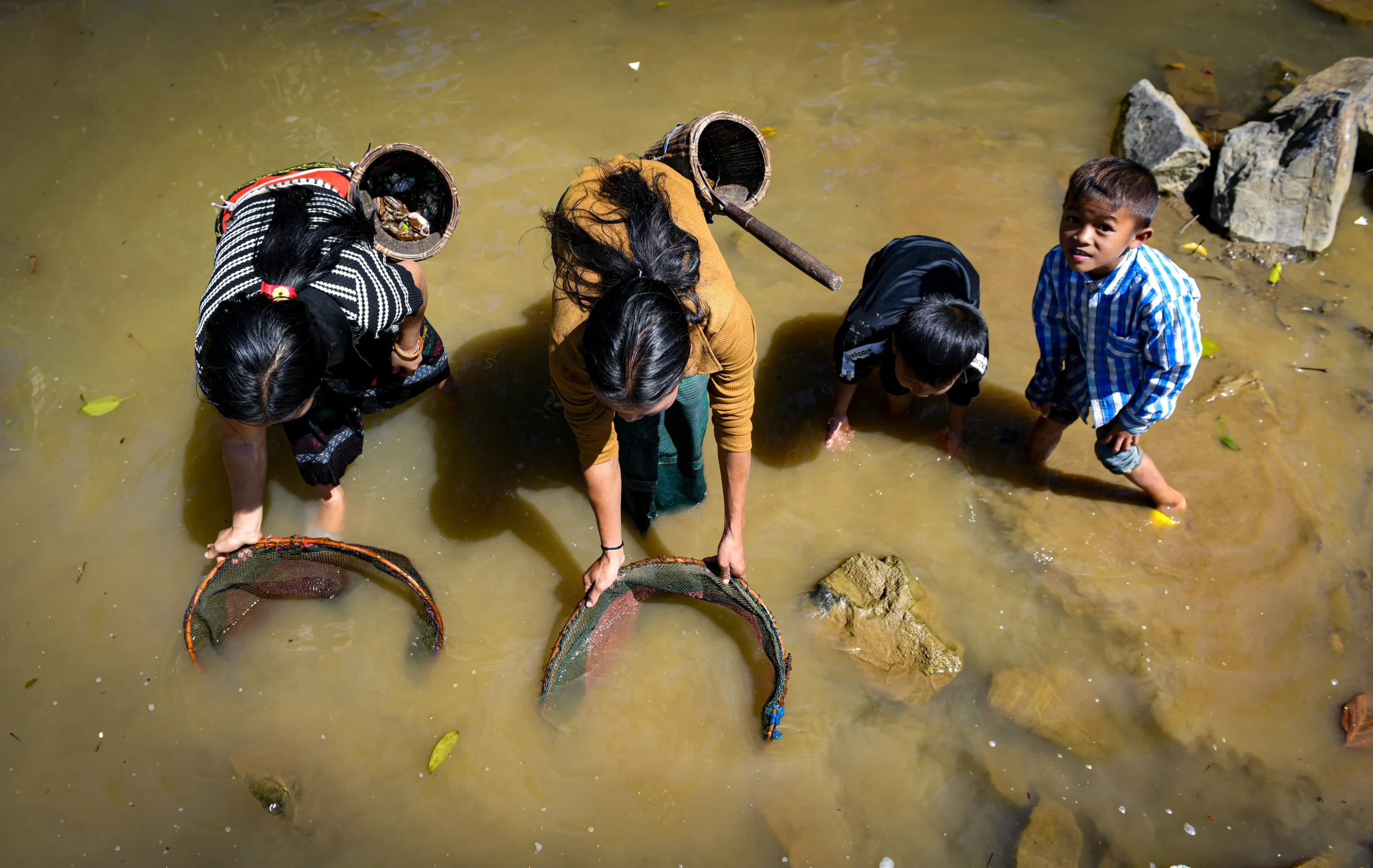
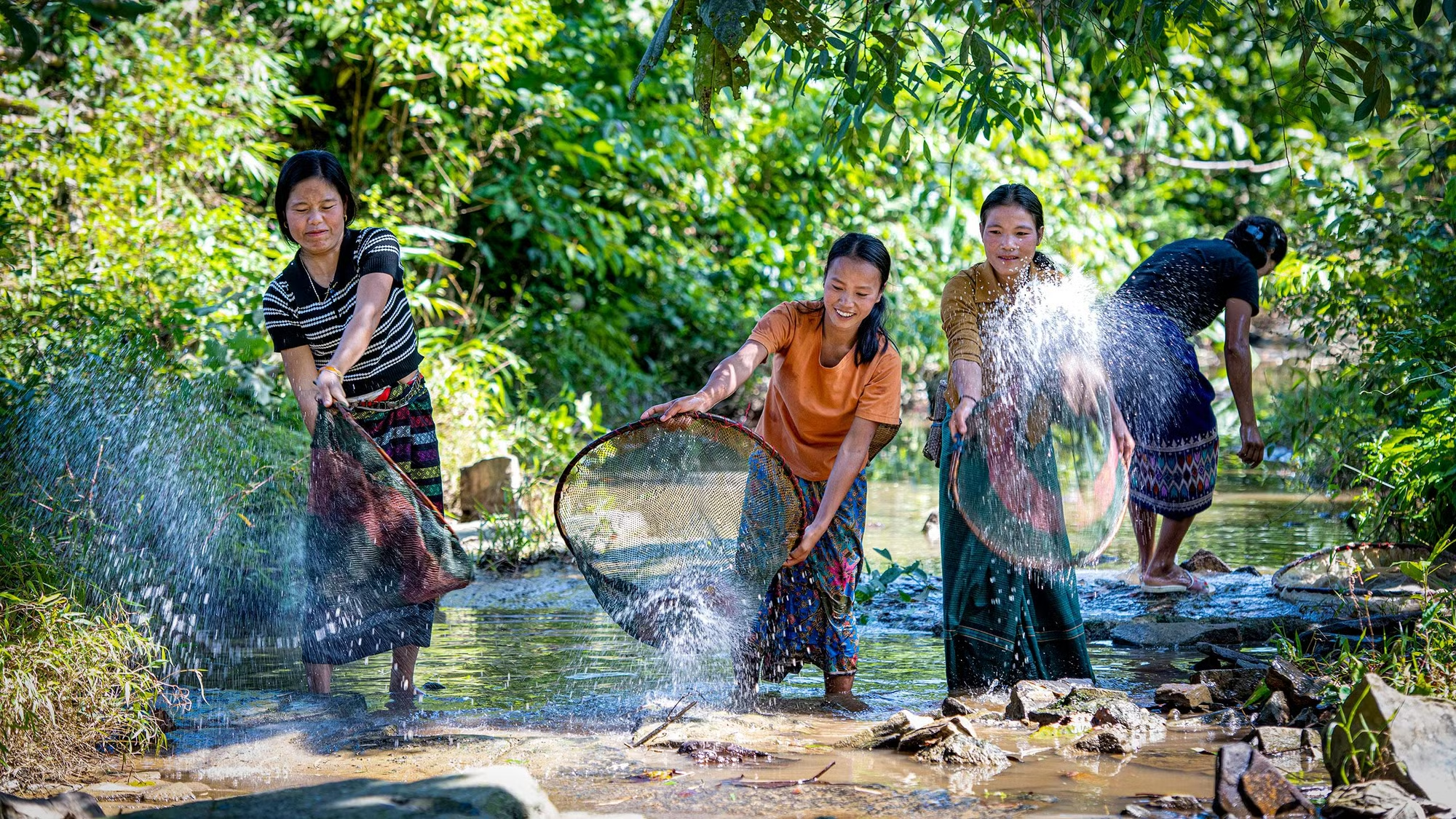
Traditionally, the Chut relied on shifting cultivation, hunting, and gathering. Their main crops included maize, cassava, beans, and rice. They used simple tools such as axes and digging sticks, reflecting a subsistence-based lifestyle closely tied to nature.

chut ethnic group economic

In recent years, their economic conditions have gradually improved. Many communities have adopted settled agriculture, including wet rice cultivation and livestock raising. Although poverty rates remain relatively high, ongoing development efforts are helping the Chut people move toward more stable livelihoods and better living standards.

chut people

44. Mang Ethnic Group – A Small Yet Unique Part Of The Ethnic Groups In Vietnam

History

The Mang ethnic group is one of the indigenous communities in the Northwestern region of Vietnam. Their traditional homeland is associated with the Nam Ban area in Sin Ho District, Lai Chau Province. This region has long been considered the cultural and historical center of the Mang people.

mang people

Despite their small population, the Mang have maintained a strong sense of identity over generations. They are also known by other names such as Mang U, Xa Mang, Nieng O, and Xa Ba O, with local subgroups including Mang Gang and Mang System.

Language

The Mang language belongs to the Mon–Khmer group within the Austroasiatic language family. It plays an important role in preserving their cultural identity and daily communication.

Most Mang people continue to use their native language in everyday life. At the same time, some individuals can speak Vietnamese and other regional languages such as Thai, Hmong, and Ha Nhi when interacting with neighboring communities.

Geographic Distribution

The Mang people mainly live in Lai Chau Province, along the northern border of Vietnam near China. Their settlements are concentrated in remote mountainous areas.

mang ethnic group

This region features rugged terrain and limited access to infrastructure. As a result, most of the Mang population lives in rural settings, where traditional lifestyles and customs remain strongly preserved.

Religion And Beliefs

The spiritual life of the Mang people centers on animism and ancestor worship. They believe in the existence of many spirits, including house spirits, which hold a particularly important place in their daily life.

mang religion

Rituals are often conducted during major occasions such as Tet or when family members are ill. In addition to house spirits, the Mang also worship their ancestors, known as “Dam,” reflecting a deep respect for lineage and family ties.

Festivals

Mang festivals are closely connected to agricultural cycles. In addition to the Lunar New Year, they celebrate a New Year festival after the harvest in the tenth lunar month.

mang festival

Their rituals include ceremonies for sowing, worshipping the rice spirit, and giving thanks after harvest. These events are essential for maintaining harmony with nature and ensuring a stable livelihood for the community.

Costumes

Traditional costumes of the Mang people are simple but distinctive. Women often wear a unique cape wrapped around the body, made from raw white fabric and decorated with red embroidery. Their hairstyle is tied into a ponytail, sometimes adorned with tassels, and they wear leg wraps.

mang ethnic group costume

In the past, both men and women practiced facial tattooing as a rite of passage into adulthood. These tattoos symbolized identity and were believed to help ancestors recognize them in the afterlife. Today, this custom is no longer widely practiced but remains culturally significant.

mang costume

Economic Conditions

The Mang people mainly rely on upland farming as their primary source of livelihood. Corn is the staple crop, often combined with cassava or rice. Their traditional diet also includes salted cassava leaves and locally produced food.

In addition to agriculture, the Mang are skilled in handicrafts such as knitting and hat making. These products are often exchanged with neighboring ethnic groups like the Thai. Although their economic conditions remain modest, their traditional practices continue to support their daily life.

45. Co Lao Ethnic Group – A Small Community Within The Ethnic Groups In Vietnam

History

The Co Lao ethnic group is one of the communities with a very small population among the ethnic groups in Vietnam. They originally migrated from China and gradually moved southward over different historical periods before settling in northern Vietnam.

co lao group

The first waves of migration took place around 150 to 200 years ago, while the last groups arrived approximately 60 to 80 years ago. This migration history has shaped their cultural identity and adaptation to mountainous environments in Vietnam.

Language

The Co Lao language belongs to the Ka Dai language group, which is part of the larger Tai–Kadai language family. It shares linguistic characteristics with languages spoken by ethnic groups such as La Ha, La Chi, and Pu Peo.

co lao vietnam

Today, the use of the native language has declined significantly. Many Co Lao people, especially those in the Red and Blue subgroups, now communicate using the languages of neighboring groups like Nung, Mong, or Pu Peo, reflecting cultural interaction and integration.

Geographic Distribution

The Co Lao people reside exclusively in Ha Giang Province, mainly in districts such as Dong Van, Meo Vac, Hoang Su Phi, Yen Minh, Vi Xuyen, and Bac Quang. These areas are located in the mountainous northern region of Vietnam.

co lao ethnic group

Their settlements are often found in remote and rugged terrain, where valleys and rocky landscapes dominate. This geographical setting has strongly influenced their agricultural practices and daily life.

Religion And Beliefs

The Co Lao people maintain traditional beliefs that have remained largely unchanged over time. They believe that the world is composed of three main elements: heaven, earth, and water.

Their spiritual system is based on animism and polytheism. They worship various deities and ancestral spirits, reflecting a deep connection with nature and the spiritual world. Rituals are commonly performed during important life events and community activities.

Festivals

Festivals of the Co Lao people are closely tied to agricultural cycles and ancestral worship. These events often include rituals to honor forefathers and pray for good harvests and community well-being.

co lao people vietnam

Ceremonies such as ancestor worship and village rituals play an important role in preserving cultural identity. They also serve as opportunities for community members to gather and strengthen social bonds.

Costumes

Traditional clothing of the Co Lao people is simple yet distinctive. Men typically wear indigo or black outfits, including wide-legged trousers and shirts with mandarin collars and fabric buttons.

co lao costume

Women’s clothing is more diverse, consisting of pants, scarves, shirts, belts, and leggings. In some areas, women also wear aprons similar to those of the H’Mong. These costumes reflect both practicality and cultural identity.

Economic Conditions

Agriculture is the main economic activity of the Co Lao people. Different subgroups adapt their farming practices to local conditions. In rocky areas like Dong Van and Meo Vac, they grow rice and corn in small plots, while in valley regions such as Hoang Su Phi, rice cultivation is more common.

co lao economic

In addition to farming, they also raise livestock and produce handicrafts such as carpentry. Although hunting and gathering were once important, they now serve as supplementary activities. Thanks to government support and development policies, the living conditions of the Co Lao people have gradually improved in recent years.

co lao economic condition

46. Bo Y Ethnic Group – A Distinct Identity Among The Ethnic Groups In Vietnam

History

The Bo Y ethnic group is one of the smallest communities among the ethnic groups in Vietnam. Their ancestors are believed to have originated from a branch of the ancient Lac Viet people. Over time, they developed their own identity while maintaining connections to early Vietnamese cultural roots.
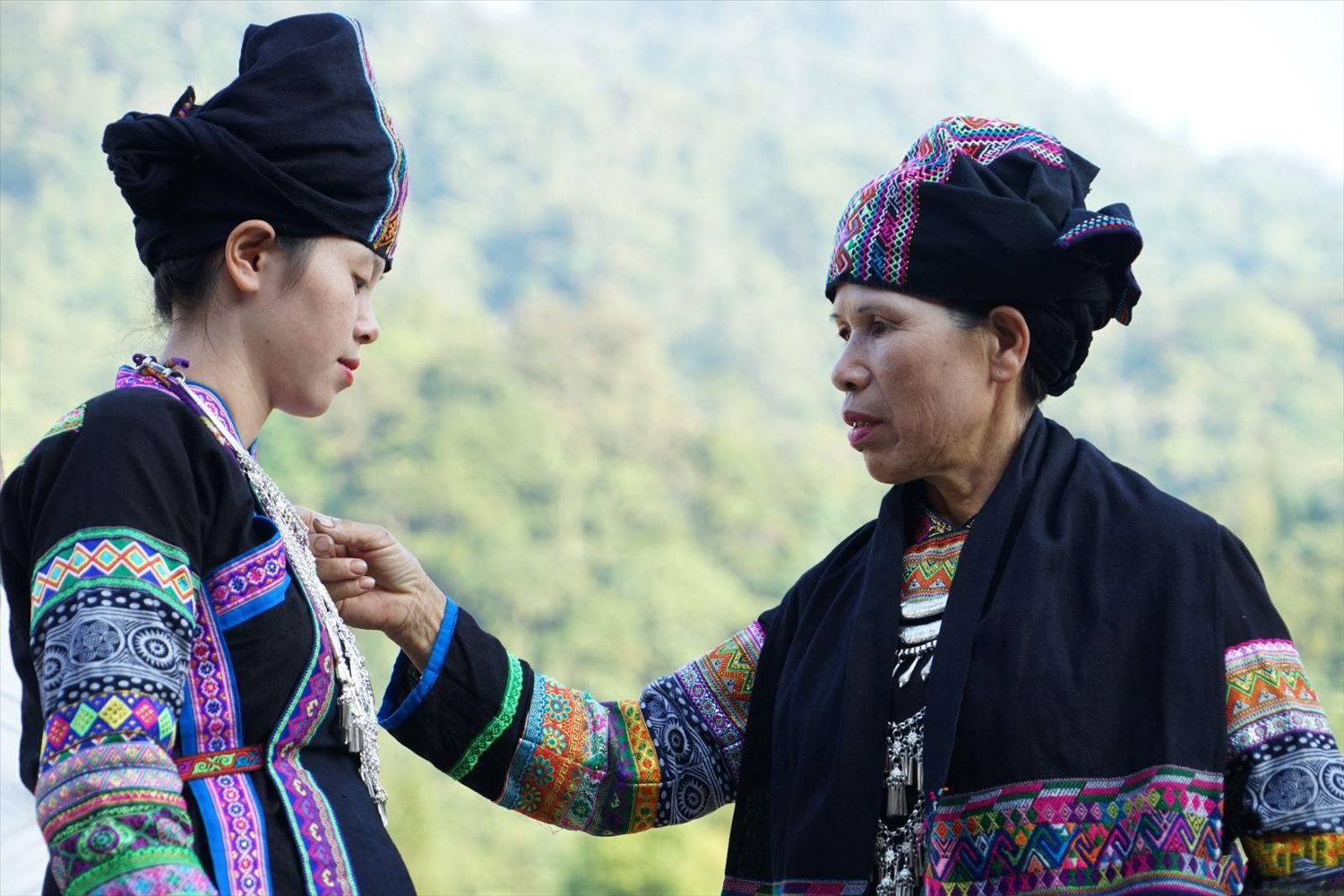
bo y vietnam

The Bo Y people also use various self-names such as Bo Y, Bo Trong, Bo Mai, Lieu, Trong Gia, Ly Lieu, and Di Lieu. Today, the term “Bo Y” generally refers to two groups: the Bo Y (Pu Y) in Ha Giang Province and the Tu Di group in Lao Cai Province. Despite their small population, they have preserved many traditional customs and cultural values.

Language

The Bo Y language belongs to the Tay–Thai branch of the Tai–Kadai language family, mainly used by the Bo Y group in Ha Giang. Meanwhile, the Tu Di subgroup in Lao Cai uses a language from the Sino–Tibetan family, reflecting linguistic diversity within the community.

bo y group vietnam

This dual-language system highlights their historical interactions with different ethnic groups. Today, many Bo Y people can also speak Vietnamese, which supports communication and integration while still maintaining their native languages.

Geographic Distribution

The Bo Y people mainly reside in northern mountainous regions. The Bo Y group in Ha Giang Province lives in several communes of Dong Van and Quan Ba districts. Meanwhile, the Tu Di group is found in parts of Lao Cai Province.

bo y ethnic group

Their settlements are often located near water sources, which support wet-rice cultivation. The surrounding landscape consists of mountains and valleys, shaping both their agricultural practices and daily life.

Religion And Beliefs

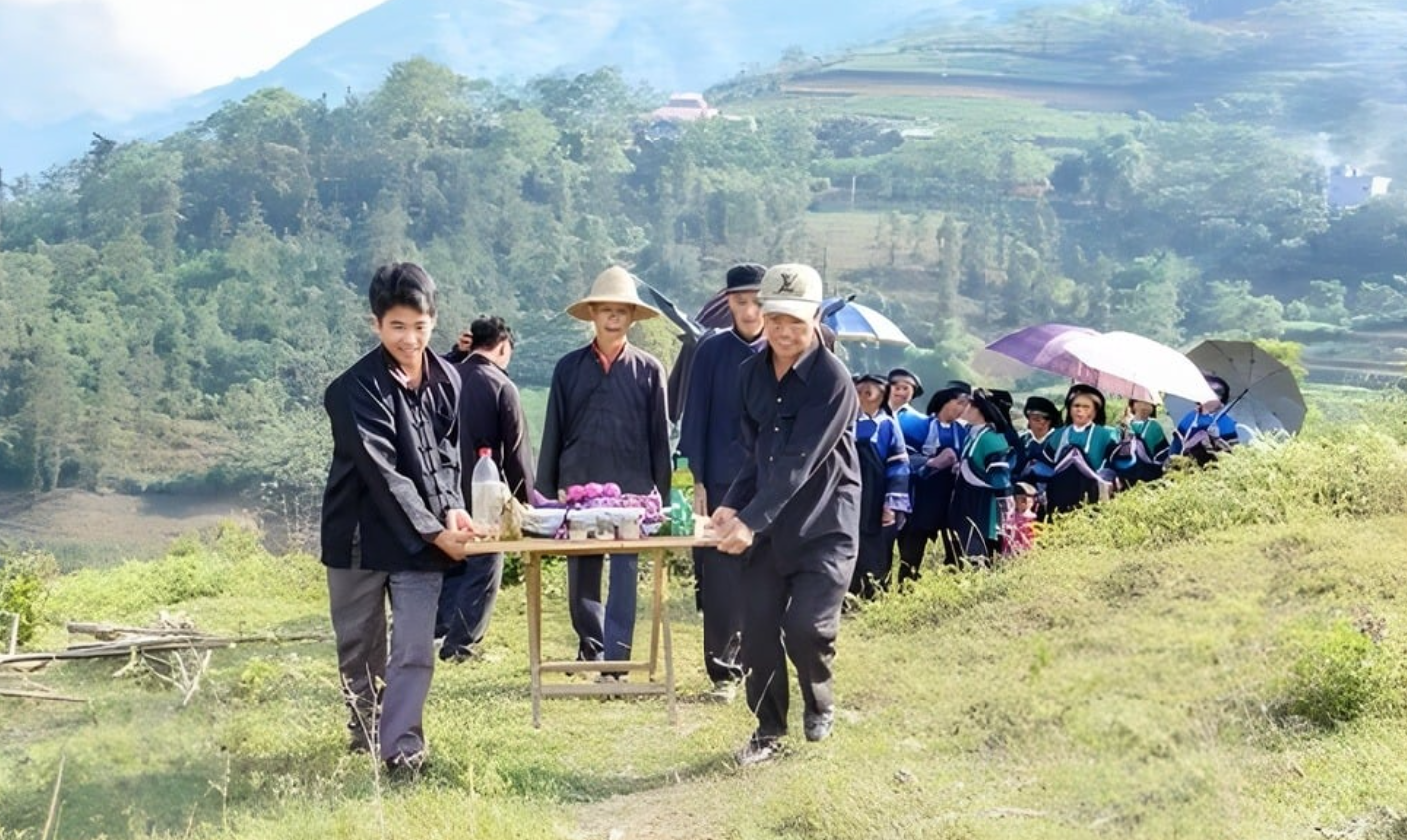
The Bo Y people have a unique worldview that divides the universe into three layers. The human world exists in the middle, while the world of gods and spirits lies above, and an underground world exists below.
bo y religion

Their beliefs combine animism and spiritual practices, with rituals conducted to honor deities and maintain harmony between different realms. Before building a house, for example, they perform ceremonies to worship the earth god and pray for safety and prosperity.

Festivals

Festivals of the Bo Y people are closely tied to agricultural cycles and spiritual beliefs. These events often include rituals to pray for good harvests, health, and prosperity.

bo y people

Community gatherings during festivals strengthen social connections and preserve traditional customs. Offerings, including food and livestock, play an important role in these ceremonies, reflecting both spiritual and economic aspects of their culture.

Costumes

Traditional clothing of the Bo Y people is simple but carefully crafted. Men typically wear indigo-dyed shirts with collars and matching trousers, reflecting practical design for daily work.

bo y costume 1

Women wear more elaborate outfits, including five-piece shirts decorated with colorful patterns along the edges. In the past, silver jewelry was also used, although it was not very common. These costumes highlight both aesthetic values and cultural identity.

Economic Conditions

The Bo Y people have a long tradition of wet-rice cultivation and are considered skilled farmers. Today, they practice more intensive agriculture, combining rice farming with the cultivation of crops such as maize, cassava, chili, soybean, tea, tobacco, and sugarcane.
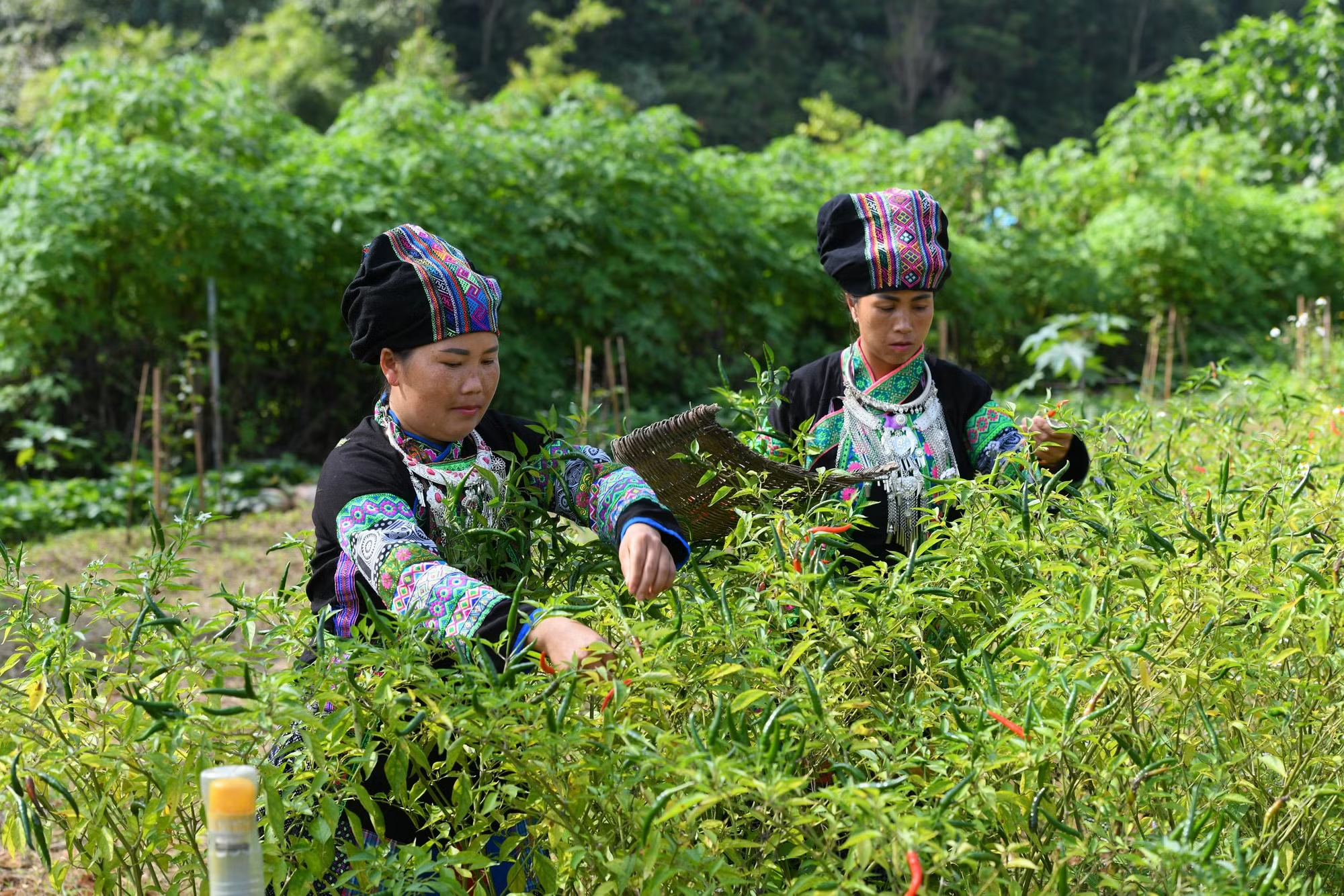
bo y economic

Animal husbandry also plays an important role in their economy. Poultry farming, especially raising chickens, is common and supports both daily consumption and ceremonial needs. With improved agricultural practices and government support, their economic conditions have gradually become more stable.

47. La Ha Ethnic Group – A Traditional Community Among The Ethnic Groups In Vietnam

History

The La Ha people are one of the long-established communities in the Northwestern region of Vietnam. They have lived in this area for generations, maintaining their cultural identity despite interactions with other ethnic groups.

la ha people

They call themselves La Ha, Kla, or Phlao, while other groups refer to them by various names such as Xa Khac, Phlac, or Bu Ha. The La Ha are divided into two main subgroups: La Ha Ung, who practice wet-rice farming, and La Ha Phlao, who focus on upland cultivation.

Language

The La Ha language has been influenced by long-term interaction with neighboring communities. Due to living alongside the Black Thai people, many La Ha individuals are bilingual and commonly use the Thai language in daily communication.

la ha vietnam

In addition to their mother tongue, many La Ha people can speak Vietnamese, especially younger generations. Some also understand languages such as H’Mong, Dao, and Muong, reflecting a multilingual environment shaped by interethnic contact.

Geographic Distribution

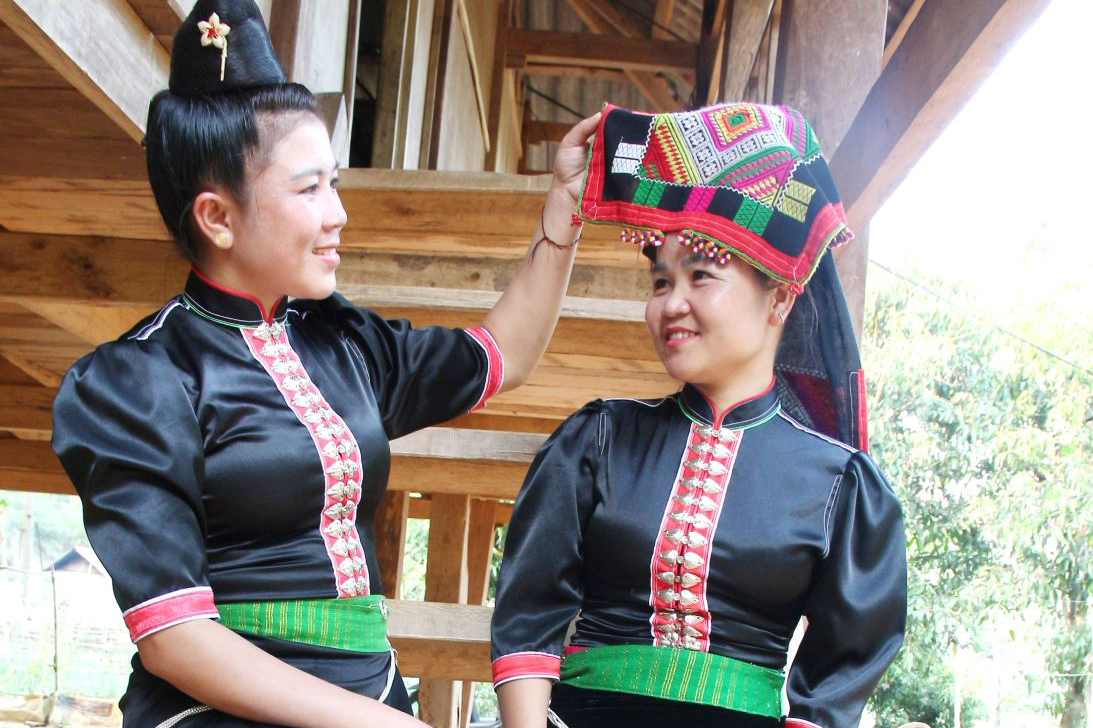
The La Ha people mainly reside in the Northwestern mountainous region of Vietnam. Historical records indicate that they were already present in this area when Thai groups migrated there between the 11th and 12th centuries.
la ha group

Their settlements are often located in mountainous and upland areas, where natural conditions support traditional farming practices. These regions are typically remote, contributing to the preservation of their cultural traditions.

Religion And Beliefs

The La Ha people follow animism and believe in the existence of various spirits. They worship many types of “ghosts,” each associated with different aspects of life and nature.

la ha religion

Ancestor worship is also practiced, but it is limited to two generations, mainly parents. The La Ha maintain strict taboos in daily life, especially regarding sacred places such as ghost forests and family altars. These beliefs play an important role in shaping their social behavior and cultural values.

Festivals

Festivals of the La Ha people are closely linked to agricultural cycles and spiritual beliefs. These events often include rituals to honor spirits and ensure favorable conditions for farming.

la ha festival

Community gatherings during festivals provide opportunities for social interaction and cultural expression. Traditional music, food, and rituals are essential elements that help preserve their heritage.

la ha festival 1

Costumes

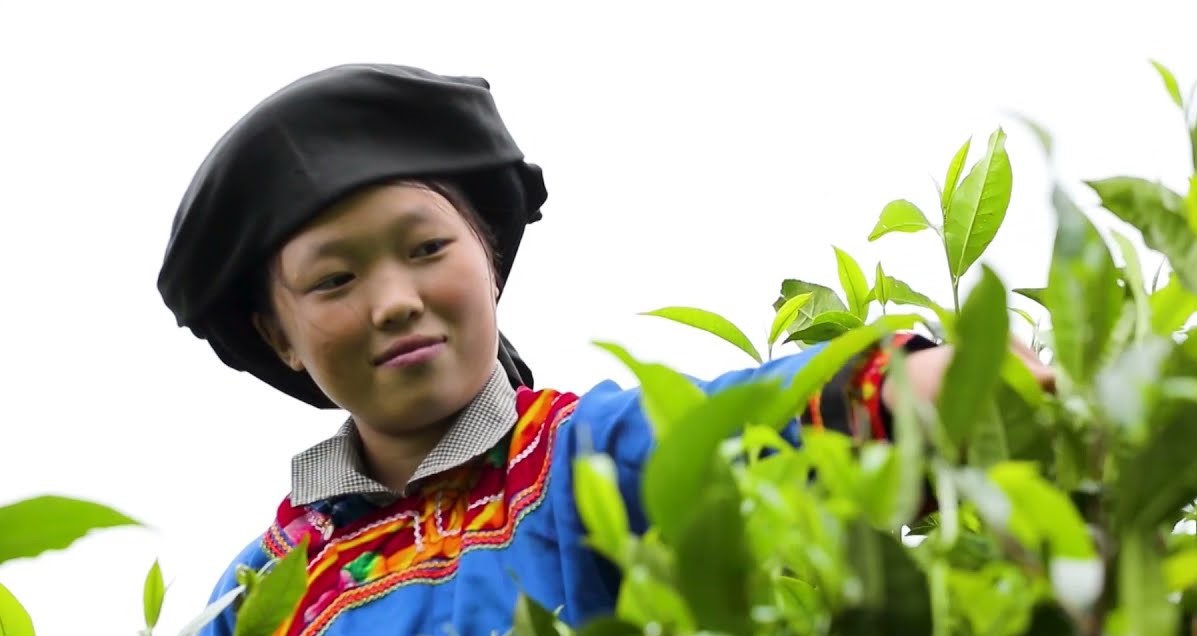
Traditional costumes of the La Ha people reflect both practicality and cultural identity. Women often wear shirts with silver buttons, black skirts, and blue waistbands, along with embroidered Pieu scarves. Their hair is typically styled in a bun, especially after marriage.
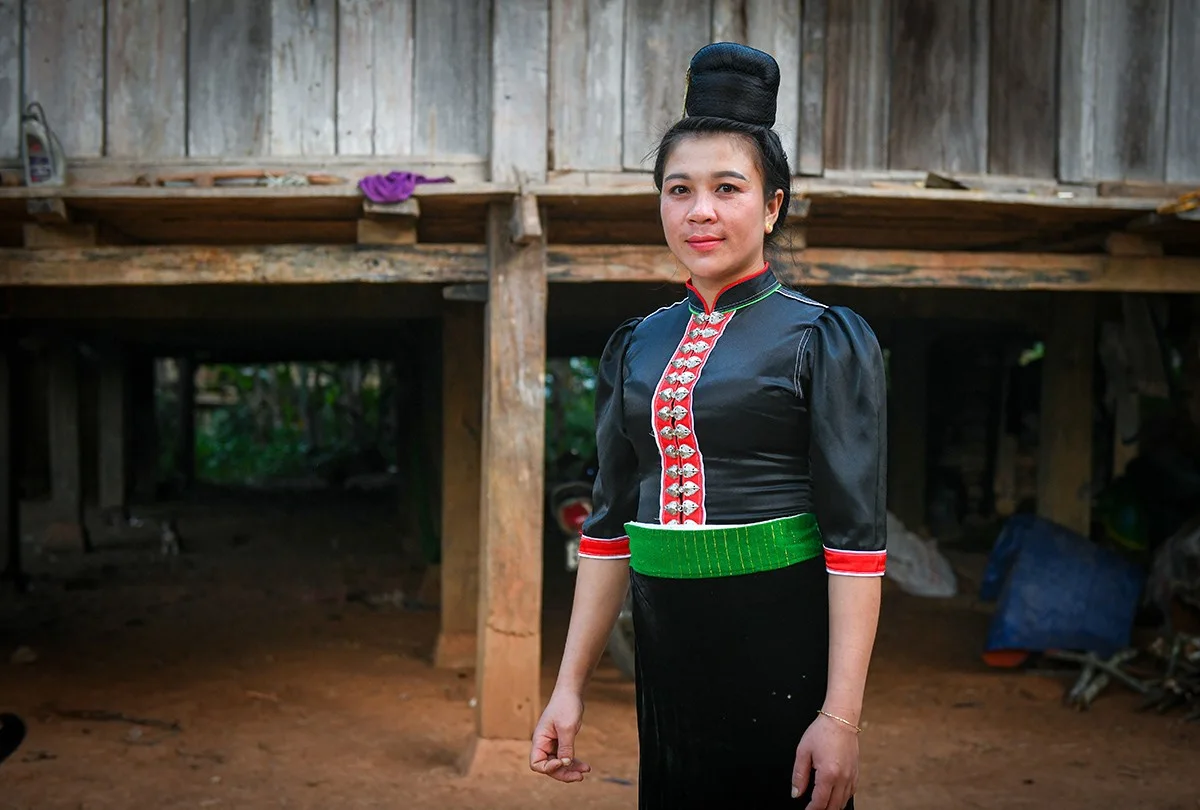
la ha group costume

Men’s clothing is simpler, consisting of indigo-dyed shirts, loose trousers, and headscarves. In the past, women also wore various types of jewelry such as silver earrings, necklaces, and bracelets, adding to their distinctive appearance.

Economic Conditions

The La Ha people mainly rely on upland farming as their primary livelihood. They grow crops such as glutinous rice, maize, cassava, and cotton. Only a small number of households practice wet-rice cultivation alongside upland farming.
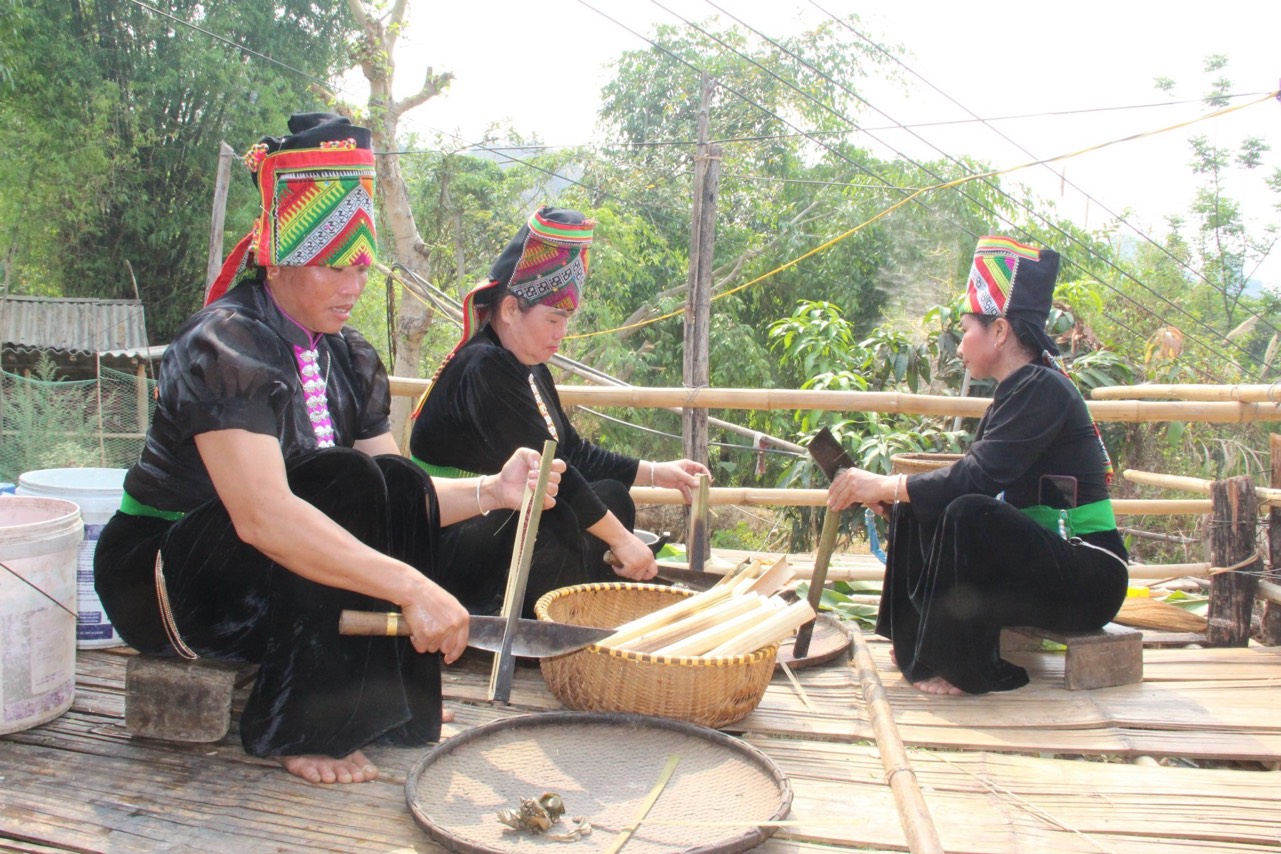
la ha economic

In addition to agriculture, fishing and gathering contribute to their income. Weaving was also relatively developed in the late 20th century, with skilled techniques. Today, trading often takes place within villages or at local markets, where agricultural products and handicrafts are exchanged.

48. Cong Ethnic Group – A Lesser-Known Community Within The Ethnic Groups In Vietnam

History

The Cong ethnic group, also known by names such as Xa, Mang, or Cong Bo Kham, is a small community living in the Northwestern region of Vietnam. Their origin is linked to the Bach Kong people in Yunnan Province, China, who are classified under the Ha Nhi ethnic group.
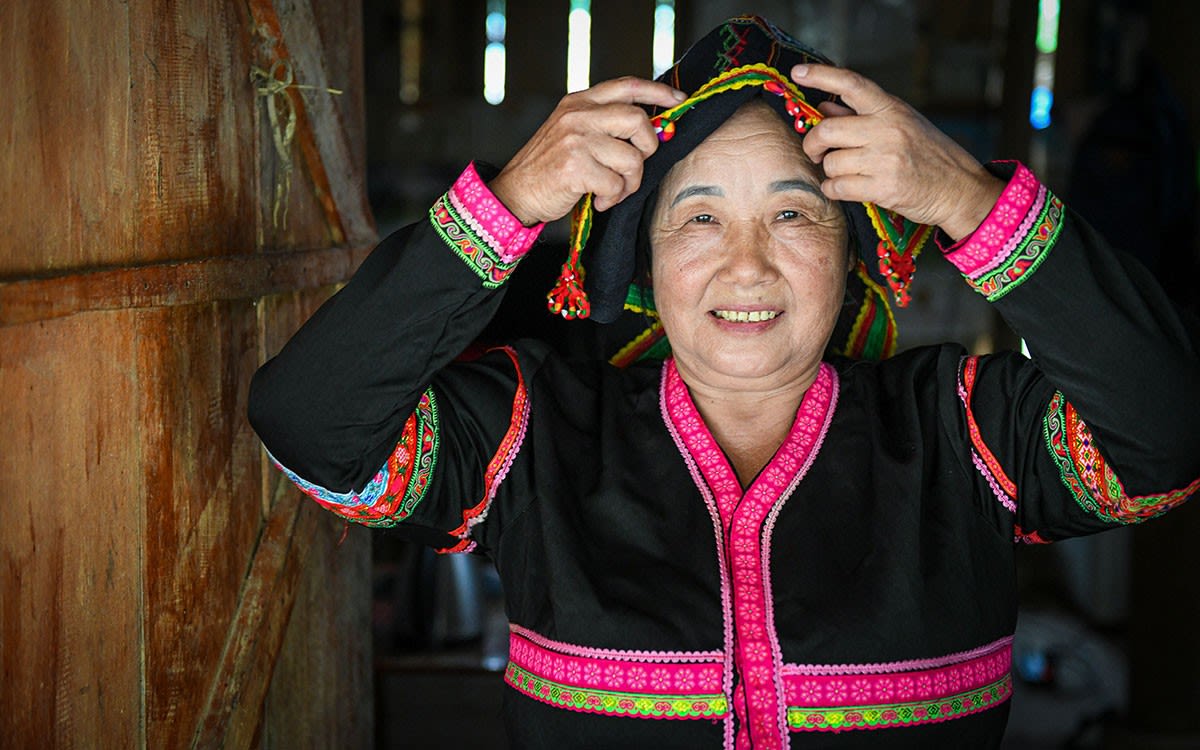
cong ethnic group

It is believed that these groups migrated from the Mang La area in China to Phong Tho in Lai Chau Province. Over time, they settled in Vietnam and developed their own identity while maintaining connections to their historical roots.

Language

The Cong language belongs to the Tibeto–Burman group within the Sino–Tibetan language family. It is closely related to languages such as La Hu, Phu La, and Si La.
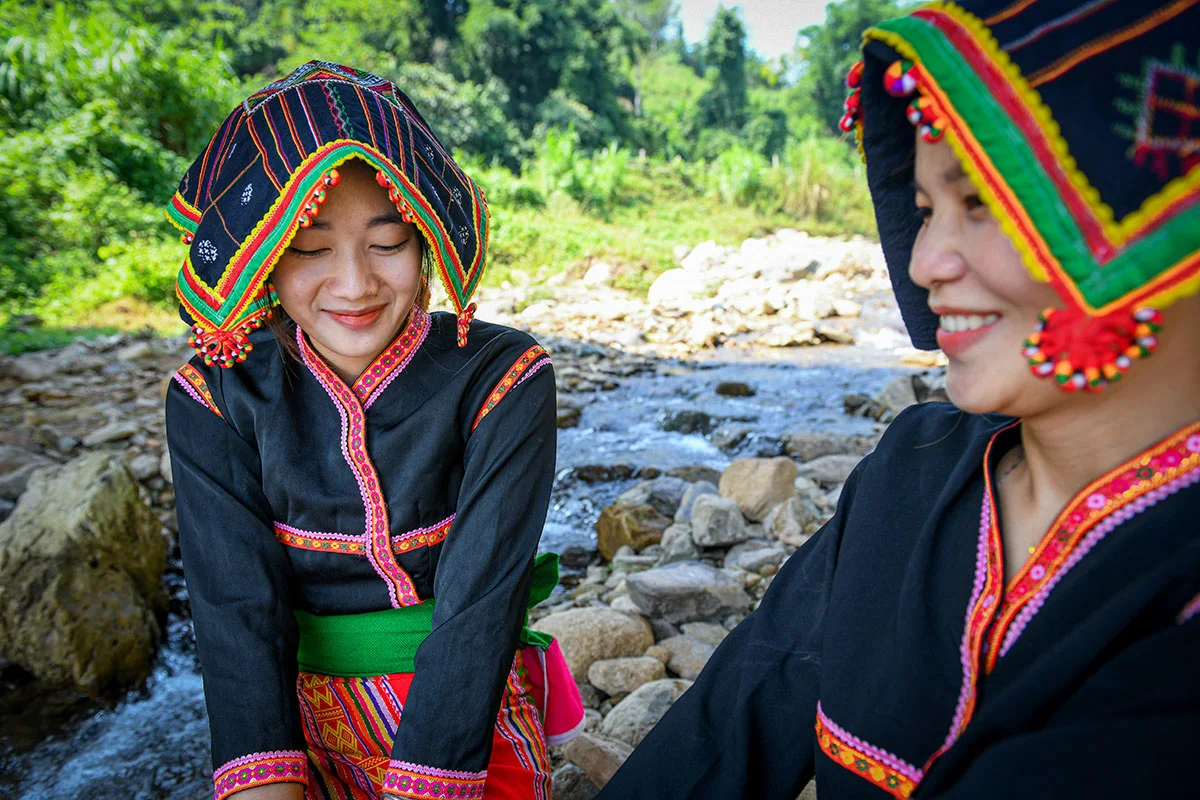
cong ethnic group vietnam costume

In daily life, many Cong people commonly use the Thai language for communication due to close contact with neighboring ethnic groups. At the same time, their native language remains an important part of their cultural identity.

Geographic Distribution

More than 98% of the Cong population lives in the Northwestern region of Vietnam. They are mainly concentrated in Lai Chau and Dien Bien provinces.
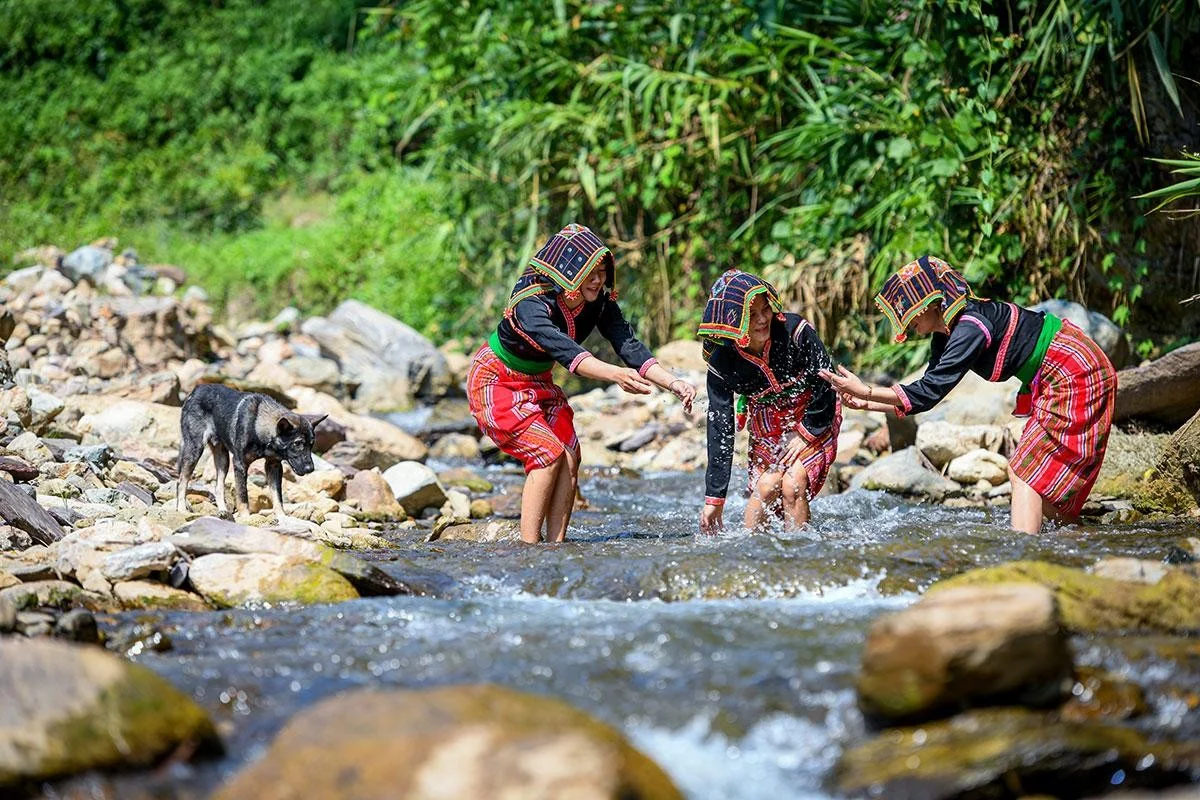
cong distribution

Their communities are often located in mountainous and remote areas. These natural conditions influence their lifestyle, housing, and economic activities.

Religion And Beliefs

The Cong people practice ancestor worship and follow a patriarchal belief system. They usually worship ancestors up to two or three generations and also pay respect to their parents-in-law during important occasions such as the Lunar New Year.
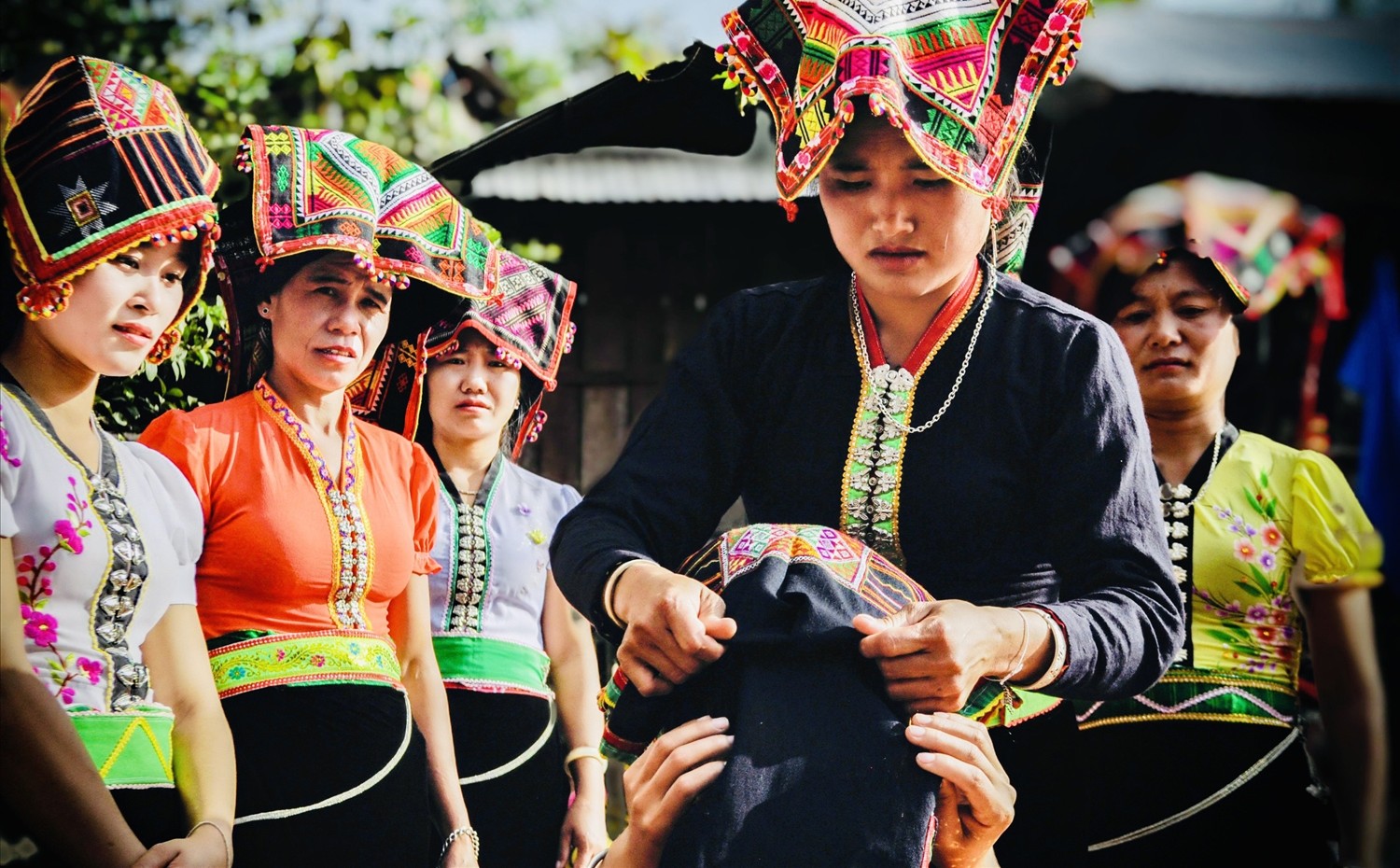
cong vietnam

Their spiritual life is closely connected to agriculture and nature. Rituals are performed to seek protection, ensure good harvests, and maintain harmony between humans and the natural world.

Festivals

Festivals of the Cong people are closely tied to agricultural cycles. Every year, in the third lunar month, villages organize ceremonies before sowing seeds. During this time, symbolic barriers are placed at village entrances to restrict movement and maintain sacred space.
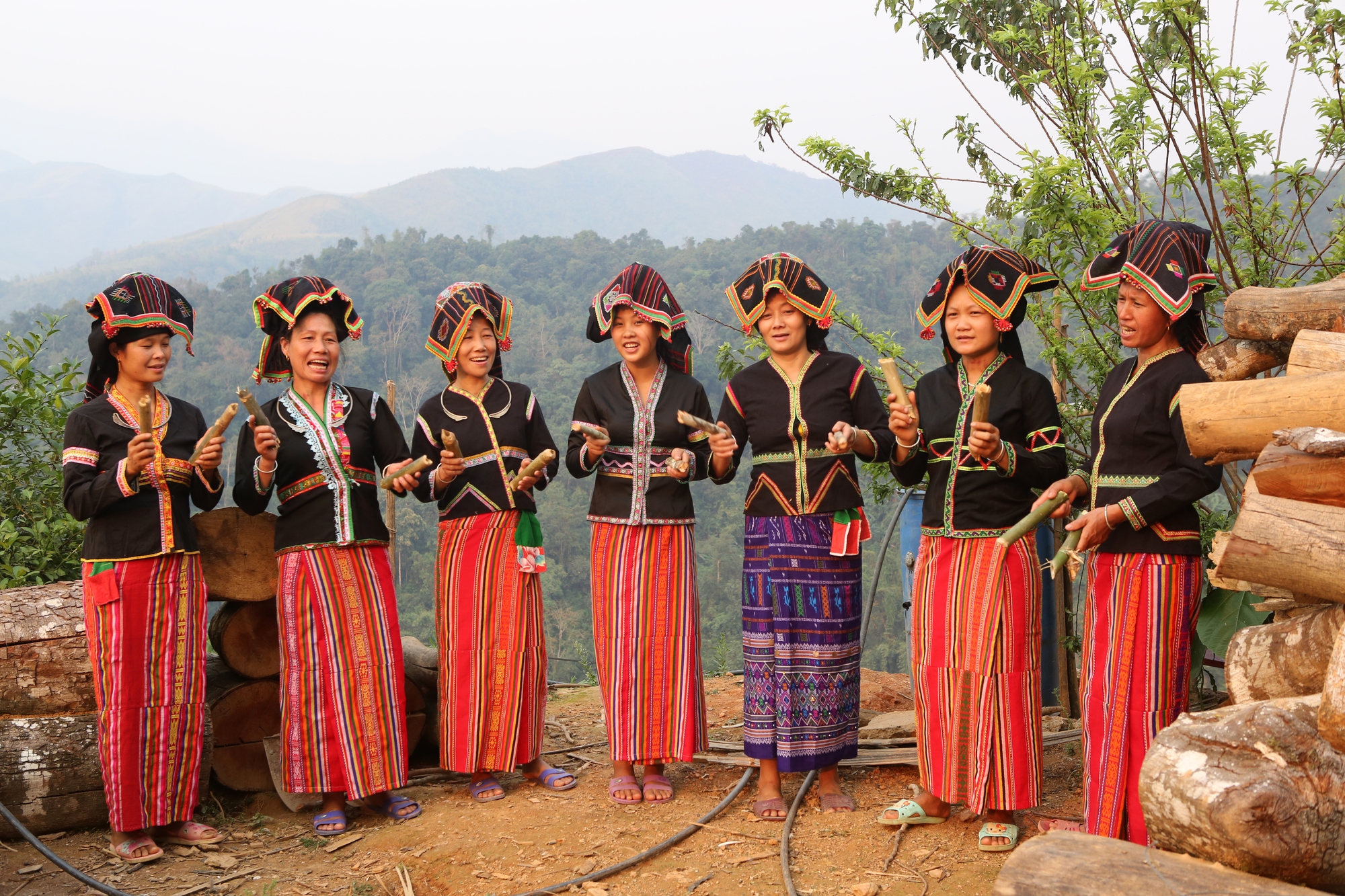
cong festival

Families also perform rituals in their fields and homes to pray for protection against animals and natural threats. These ceremonies reflect their deep connection to farming and seasonal rhythms.
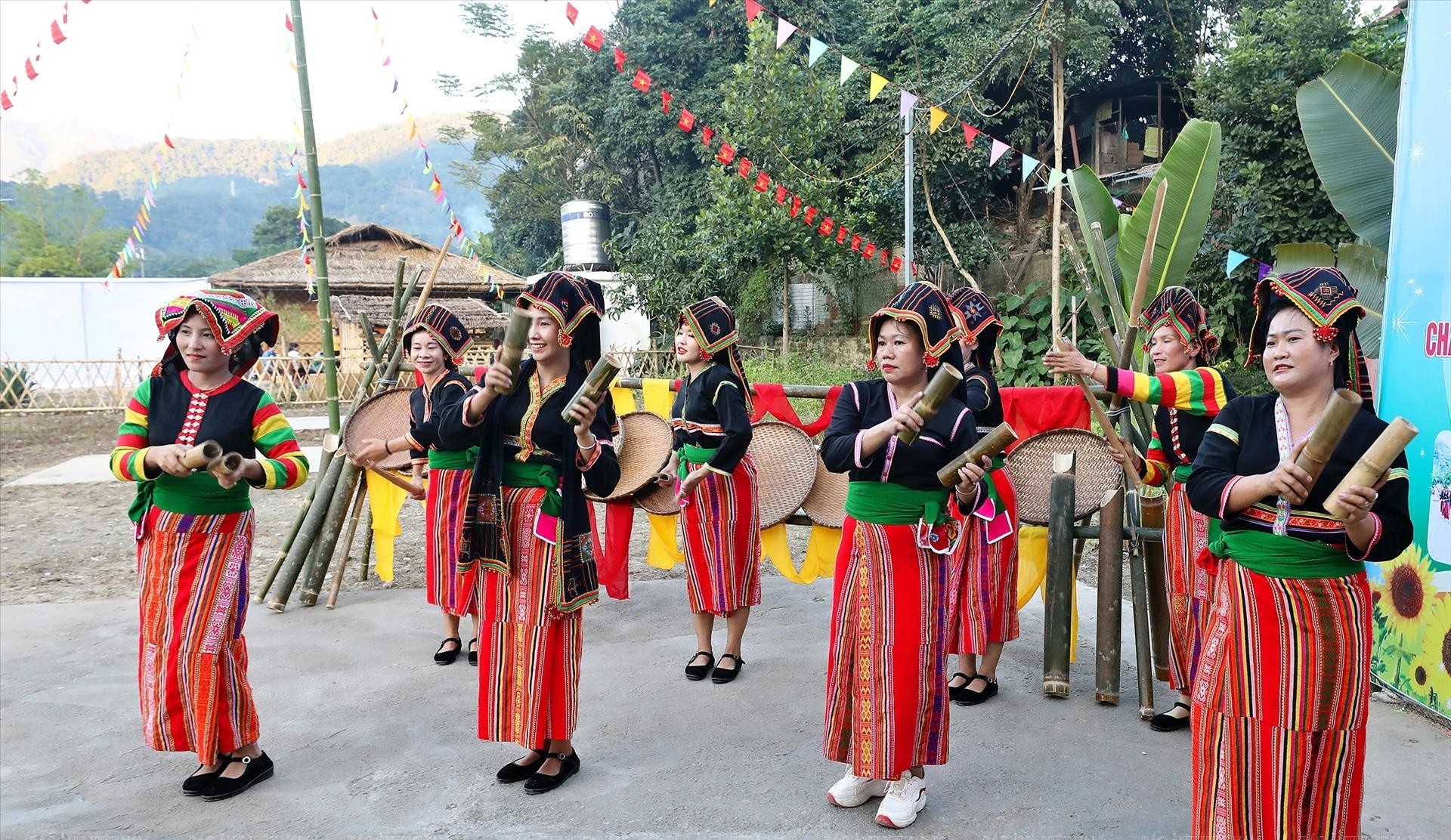
cong festival vietnam

Costumes

Traditional costumes of the Cong people are simple but distinctive. Women wear outfits that include shirts, skirts, belts, bibs, and headscarves. Their clothing is often made from indigo or white fabric, with unique design details around the collar and chest.
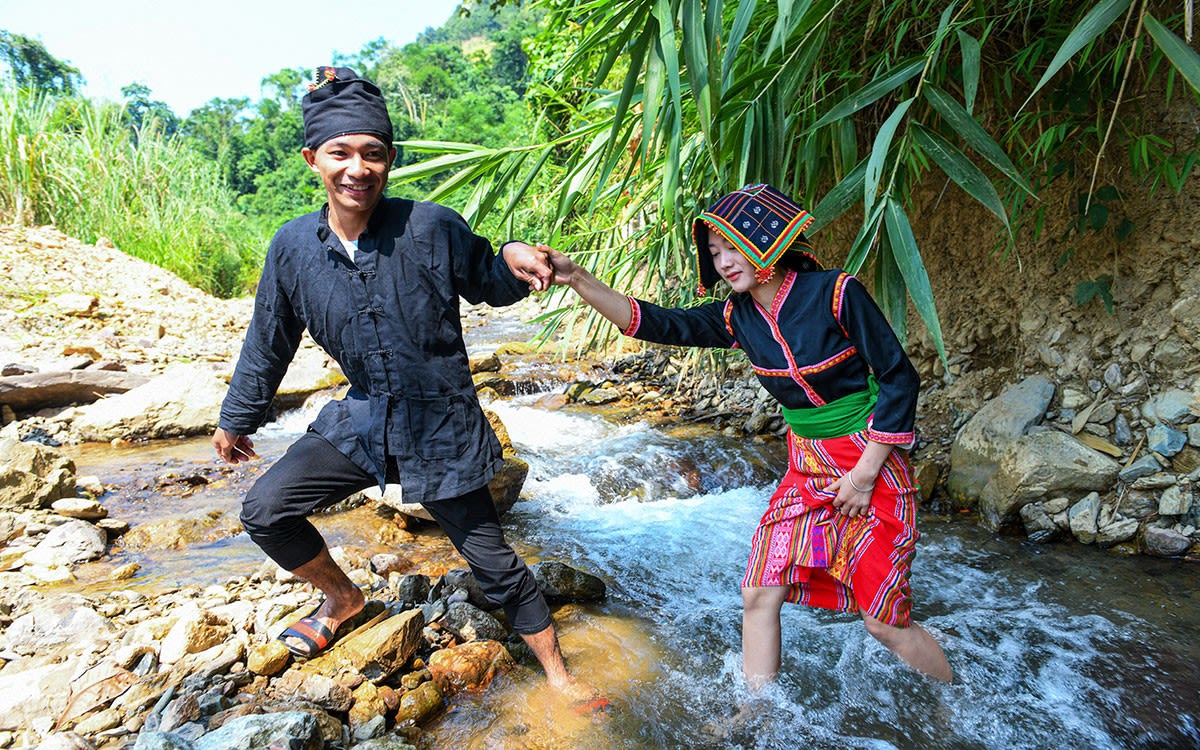
cong people

Men wear plain indigo-dyed shirts and trousers, along with headscarves. Their clothing is practical and suitable for daily labor, reflecting a modest yet functional style.

Economic Conditions

The Cong people mainly rely on agriculture, including both upland farming and wet-rice cultivation. They grow crops, raise livestock such as cows and pigs, and also engage in fishing and gathering natural products like vegetables and medicinal herbs.

In addition to farming, they practice small-scale handicrafts such as weaving and wine making. Although economic conditions remain challenging, gradual improvements in education and development programs are helping the Cong people build more stable livelihoods.

49. Ngai Ethnic Group – A Coastal And Midland Community Among The Ethnic Groups In Vietnam

History

The Ngai ethnic group has its origin in Wudong, Fangcheng District, Guangdong Province in China. After participating in the Taiping Rebellion and facing suppression, they migrated to Vietnam and gradually settled in various northern provinces.
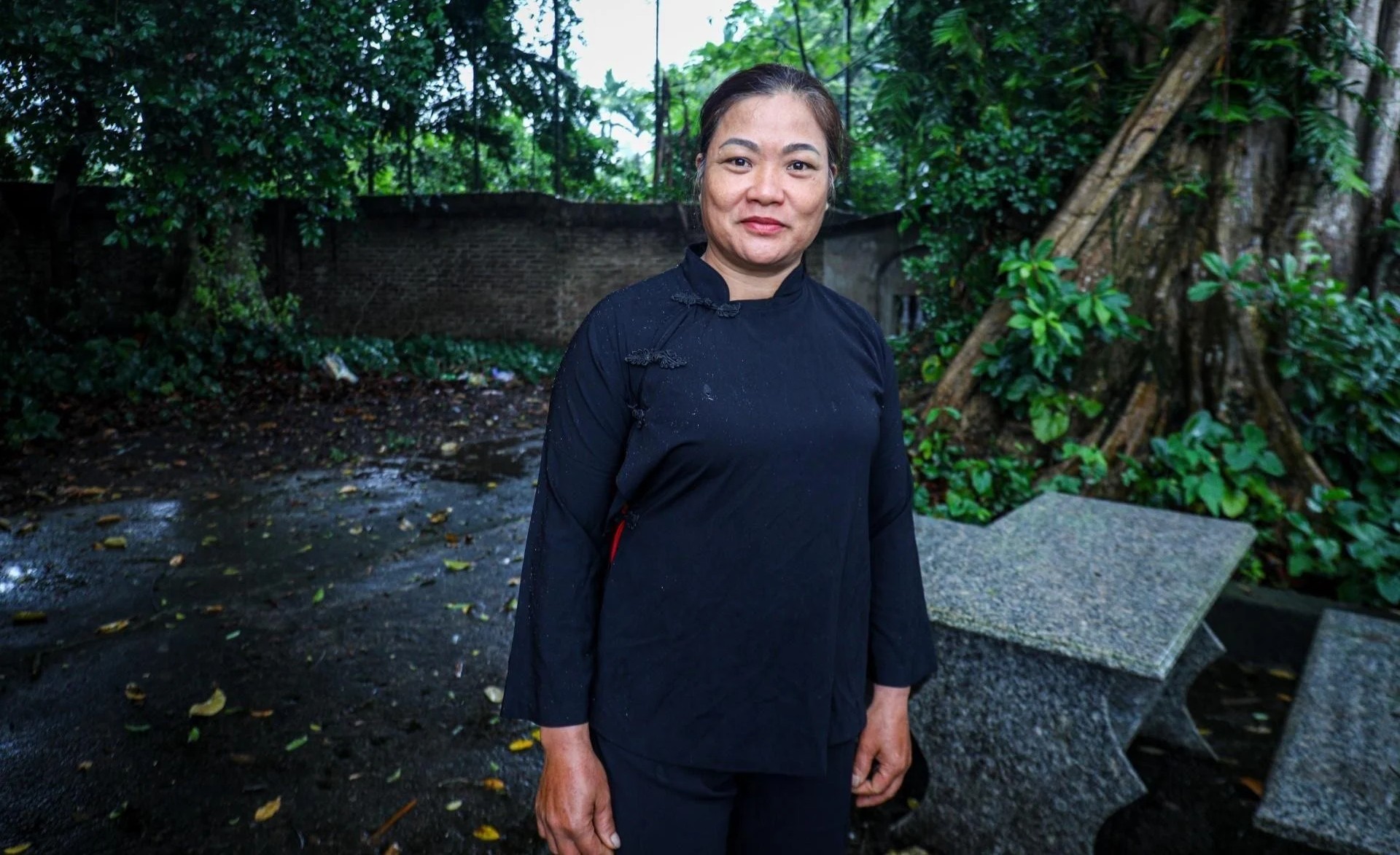
ngai people

They call themselves “San Ngai,” meaning “people living in the forest,” which reflects their traditional living environment. Despite their migration history, the Ngai consider themselves one of the long-standing communities within the ethnic groups in Vietnam and have maintained a strong cultural identity.

Language

The Ngai language belongs to the Sino–Tibetan language family. Within this group, there are several subgroups such as Sin, Le, and Hac Ca, each with its own dialect.

Due to historical and geographical factors, many Ngai people are multilingual. In addition to their native language, they commonly use Vietnamese, especially in education and communication with other ethnic groups.

Geographic Distribution

The Ngai people mainly reside in midland and coastal areas with convenient transportation. Their population is concentrated in Mong Cai city and Tien Yen district in Quang Ninh Province.

They are also found in other northern provinces such as Bac Giang, Bac Ninh, Bac Kan, Thai Nguyen, Cao Bang, Lang Son, Ha Giang, and Tuyen Quang. Some coastal communities even live on boats, reflecting their adaptability to different environments.

Religion And Beliefs

The Ngai people believe that humans consist of both body and soul, and that the soul continues to exist after death. This belief shapes their funeral practices, which often include burying personal belongings with the deceased.

They worship a wide range of deities, including ancestors, gods, Buddha, forest spirits, and other supernatural beings. Each type of worship involves different rituals and offerings, reflecting a rich and diverse spiritual life.

Festivals

The Ngai celebrate many traditional festivals, including the Lunar New Year and the Cold Food Festival (Han Thuc). These events are important occasions for family reunions and cultural expression.

ngai festival

They also celebrate the new rice festival in the tenth lunar month, which is closely tied to agricultural cycles. Festivals often include traditional food, rituals, and community activities that strengthen social bonds.

Costumes

Traditional clothing of the Ngai people is simple and practical, with little or no embroidery. Men usually wear straight, wide trousers and shirts with two or three pockets.

ngai costume

Women wear five-flap shirts and often braid their hair around their heads. These costumes reflect a modest style while maintaining distinct cultural features.

Economic Conditions

Wet-rice cultivation is the main economic activity of the Ngai people. In the past, they mainly used traditional rice varieties with long growing periods, which resulted in lower productivity.

Today, modern agricultural techniques and high-yield rice varieties have improved their production. In addition to farming, they raise livestock such as buffaloes, pigs, and poultry, and engage in handicrafts and trade. Living in areas with convenient transportation also allows them to participate actively in market and service activities.
50. Si La Ethnic Group – One Of The Smallest Communities Within The Ethnic Groups In Vietnam

History

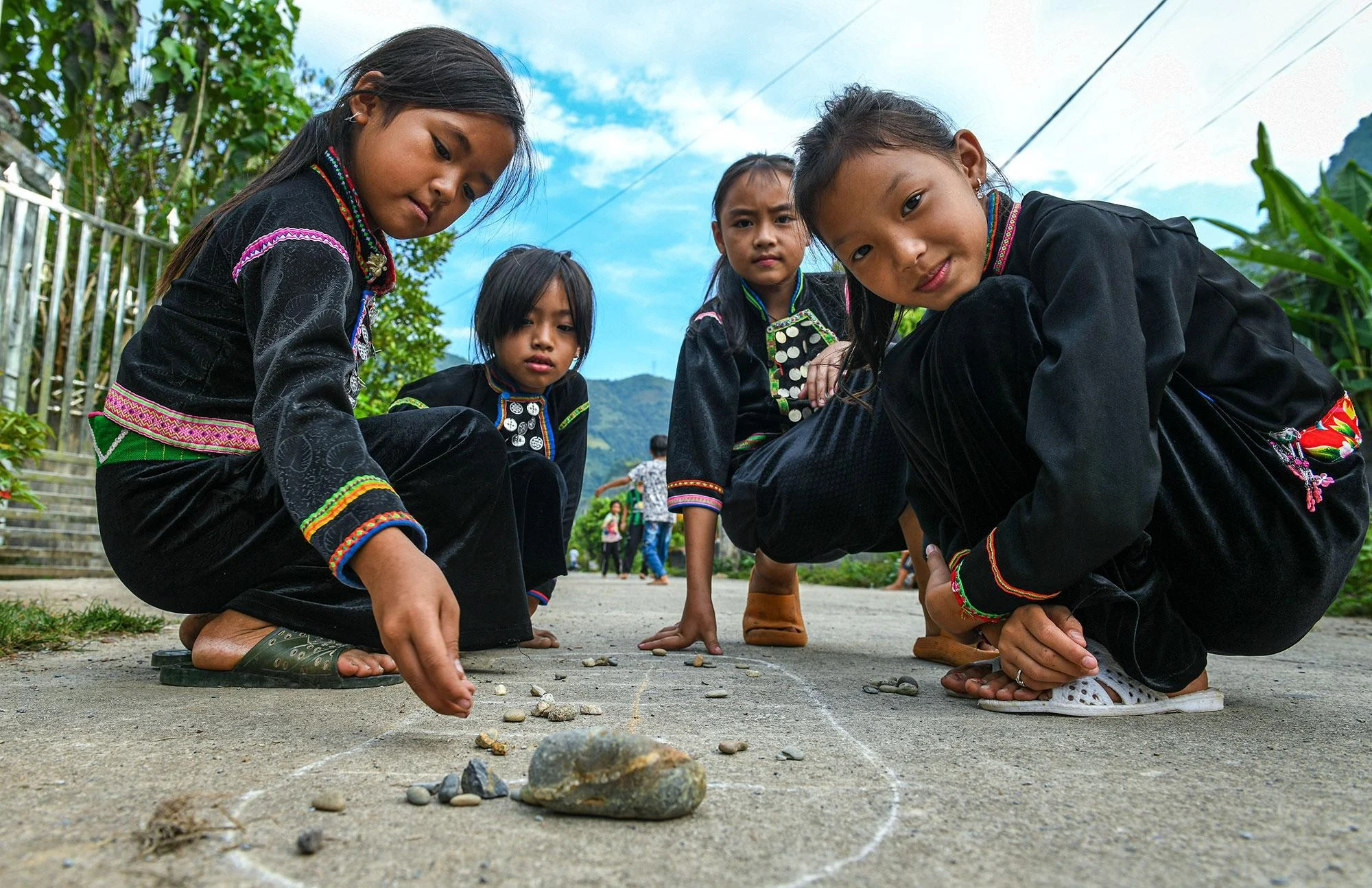
The Si La ethnic group is among the smallest communities within the ethnic groups in Vietnam, with a population of fewer than 1,000 people. They migrated from Yunnan Province in China to Vietnam around 150 years ago. At that time, only a few households with surnames such as Ly, Giang, Po, Hu, and Vang formed the early community.

si la children

The Si La people call themselves Cu De Tsu or Kho Puo, while other groups like the Thai refer to them as Kha Pe. Historically, they lived a nomadic lifestyle based on shifting cultivation, which led to frequent relocation. Over time, they gradually settled in more stable communities.

si la vietnam

Language

The Si La language belongs to the Tibeto–Burman group within the Sino–Tibetan language family. This linguistic classification connects them with several other ethnic groups in the region.

si la ethnic group

Although their native language remains important, many Si La people also use other languages for communication due to interaction with neighboring communities. This reflects both adaptation and cultural exchange.

Geographic Distribution

The Si La people mainly reside in the Northwestern provinces of Lai Chau and Dien Bien. Their communities are often located in remote mountainous areas.

si la group

These regions are characterized by rugged terrain and limited access to infrastructure. As a result, their settlements are relatively isolated, which has helped preserve their traditional way of life.

si la people

Religion And Beliefs

The Si La people practice ancestor worship within a patriarchal system. They worship parents and grandparents, while higher generations are honored by the head of the family clan.

si la religion

They also perform important rituals related to health, protection, and agriculture. One notable ceremony, held every seven years, involves worshipping the “soul of rice” to ensure good harvests and prosperity.

Festivals

The Si La celebrate their traditional New Year at the beginning of the twelfth lunar month. This is one of the most important occasions for family gatherings and cultural expression.

si la festival

They also organize the New Rice Festival, which reflects their agricultural lifestyle. These festivals often include rituals, food offerings, and community activities that strengthen social bonds.

si la festival 1

Costumes

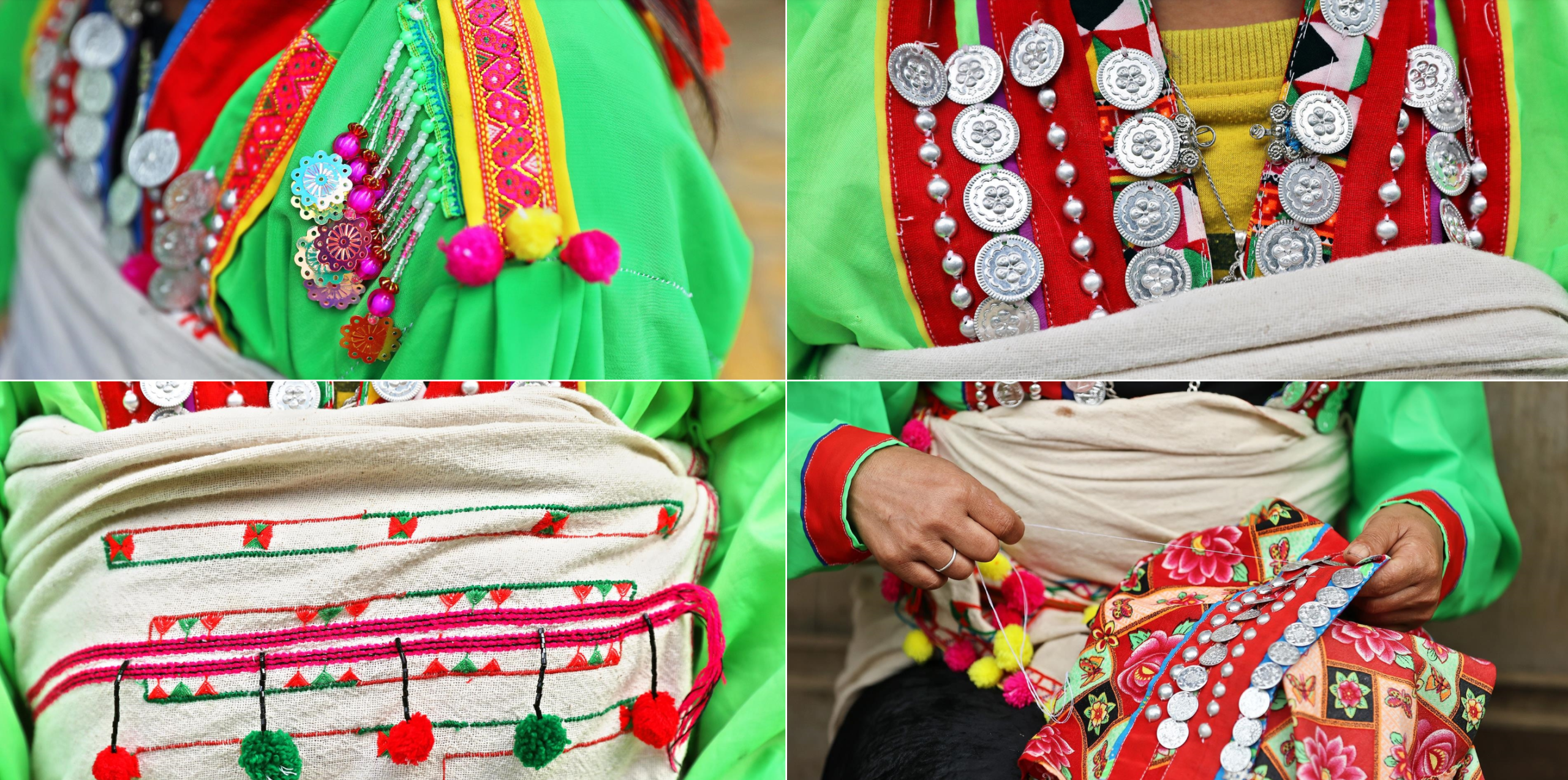
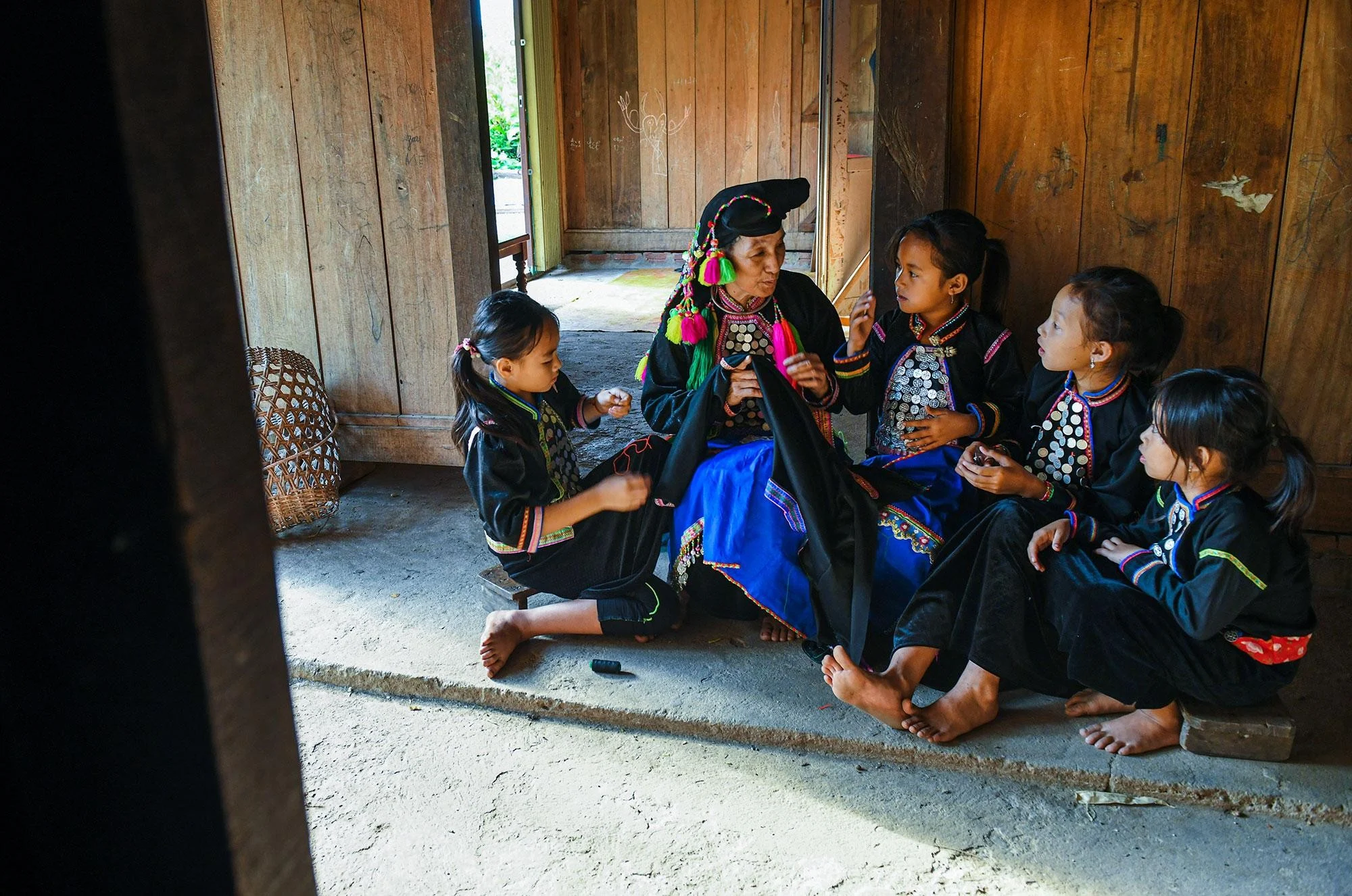
Traditional clothing of the Si La people is distinctive and rich in detail. Women wear skirts and shirts with buttons on the right side, often leaving the midsection open. Their clothing is decorated with silver and aluminum coins, along with colorful stitching.

si la costume

Men and women also practice the custom of tooth dyeing, with red for men and black for women. Clothing and accessories often indicate age and marital status, highlighting cultural identity.

Economic Conditions

The Si La people engage in both upland and wet-field cultivation. They grow crops such as maize, rice, sorghum, vegetables, and spices. Livestock raising, including buffaloes, cows, goats, and poultry, is also common.

si la economic

In addition to farming, they practice handicrafts such as weaving. Although economic conditions remain modest, improvements in education and development programs have gradually enhanced their living standards.

51. Pu Peo Ethnic Group – A Rare Community In The Ethnic Groups In Vietnam

History

The Pu Peo ethnic group is one of the smallest communities among the ethnic groups in Vietnam, with a population of just over 900 people. They have long resided in the northernmost region, especially in Ha Giang Province.

pu peo ethnic group in vietnam

Historical records indicate that part of the Pu Peo population settled in Vietnam before the 18th century, while others migrated later during the late 18th and early 19th centuries. Despite their small size, they have maintained a distinct cultural identity over generations.

Language

The Pu Peo language belongs to the Tay–Thai language group and is closely related to the Tay–Nung languages. The name “Pu Peo” itself reflects linguistic meaning, where “Pu” means “person.”

pu peo people

Today, many Pu Peo people can also speak Vietnamese and other regional languages. This helps them communicate with neighboring communities while still preserving their mother tongue.

Geographic Distribution

The Pu Peo people are mainly concentrated in Ha Giang Province, which remains their primary cultural center. However, they are also found in other areas such as Tuyen Quang, Dong Nai, and Ho Chi Minh City.

pu peo distribution

Their communities are often located in mountainous or rural regions, though some have migrated to urban areas. This distribution reflects both traditional settlement patterns and modern mobility.

Religion And Beliefs

The Pu Peo people follow a worldview that divides the universe into three layers: heaven, earth, and the underworld. They believe that ancestral spirits reside above and continue to influence the living.

pu peo religion

They also believe that each person has multiple souls, which shape personality and life force. Their religious life includes various rituals such as worshipping forest gods, praying for crops, and celebrating new harvests.

Festivals

The Pu Peo people celebrate several traditional ceremonies linked to agriculture and spiritual beliefs. Important rituals include the new crop ceremony, pest-removal rituals, and the new rice celebration.

pu peo vietnam

These events often involve offerings, prayers, and communal participation. Festivals serve as a way to strengthen community ties and maintain cultural traditions.

Costumes

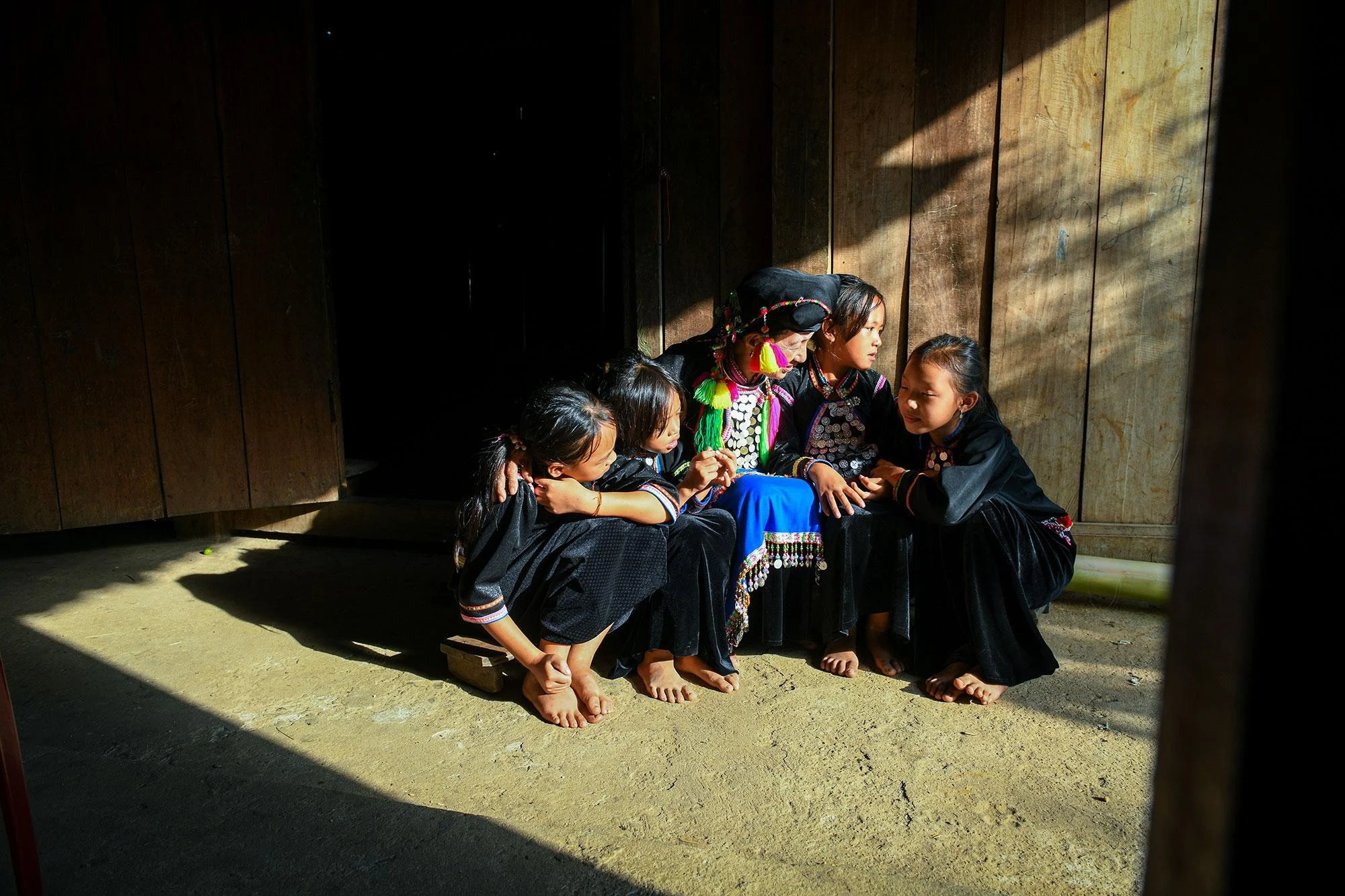
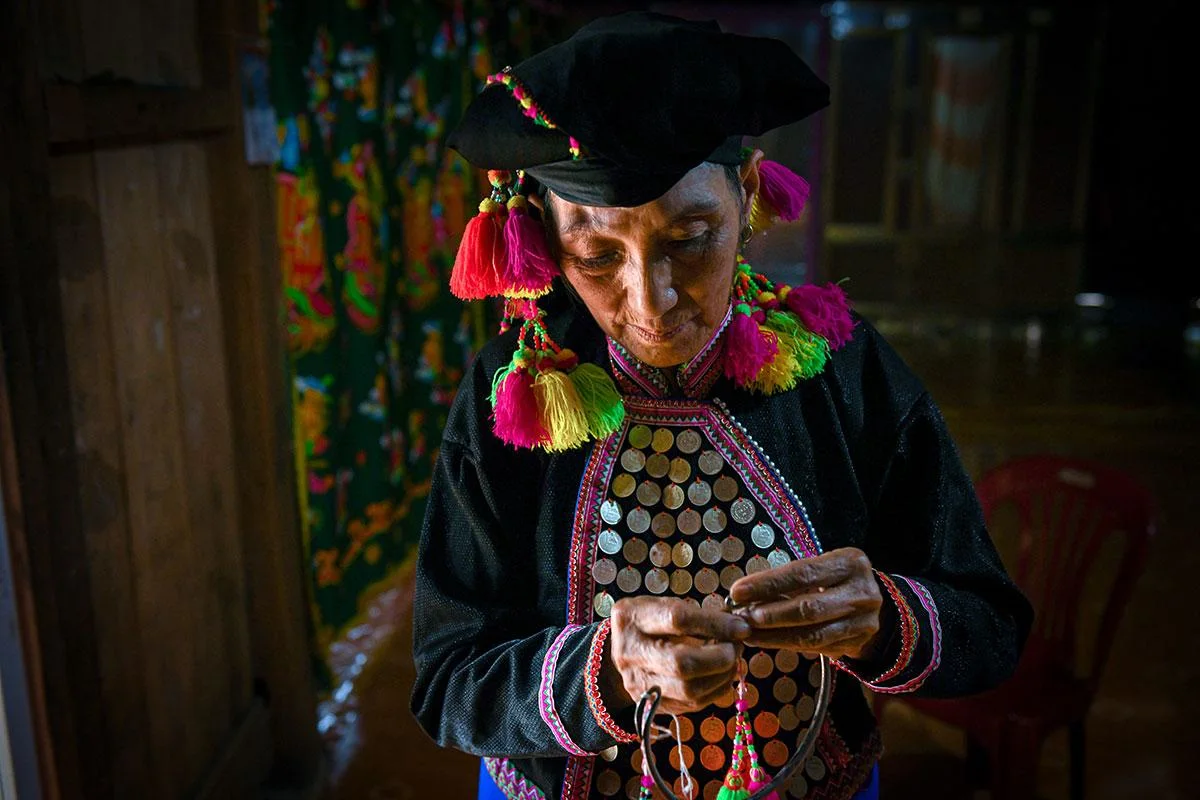
Traditional clothing of the Pu Peo people is distinctive and colorful. Women typically wear black dresses with decorative panels made from pieces of colored fabric, along with headscarves and accessories.

pu peo costume

Men usually wear indigo or dark-colored garments, including long shirts and black trousers. Their traditional outfits are often reserved for festivals, weddings, and important ceremonies.

pu peo costume vietnam

Economic Conditions

The Pu Peo people practice both wet-rice and upland cultivation, depending on local conditions. Agriculture remains the main source of livelihood, supported by livestock raising such as buffaloes, cows, pigs, and poultry.

pu peo economic

They also engage in various handicrafts, including weaving, carpentry, and corn wine production. While most products are for household use, trading activities in local markets and cross-border exchange have gradually developed.

52. Brau Ethnic Group – A Border Community Within The Ethnic Groups In Vietnam

History

The Brau ethnic group is one of the smallest communities among the ethnic groups in Vietnam, with a population of just over 500 people. Their ancestors originally lived in southern Laos and northeastern Cambodia before a small group migrated to Vietnam حوالي 150–160 years ago.

brau people

Today, the Brau in Vietnam have lived across several generations, mainly in border areas where Vietnam, Laos, and Cambodia meet. Despite their small population, they have preserved many traditional cultural practices while gradually improving their living conditions.

brau group

Language

The Brau language belongs to the Mon–Khmer group within the Austroasiatic language family. This places them linguistically close to several other ethnic groups in Southeast Asia.

The Brau do not have a traditional writing system. However, with the development of education, many people can now use Vietnamese for communication, helping them integrate while maintaining their spoken language.

Geographic Distribution

The Brau people mainly reside in Dak Me village, Bo Y commune, Ngoc Hoi district, Kon Tum Province. This area lies near the border junction of Vietnam, Laos, and Cambodia.

brau ethnic group

Their settlements are typically rural and located in remote areas. Living near an international border has influenced both their cultural exchanges and economic activities.

Religion And Beliefs

The Brau people practice animism and believe in the presence of various spirits and deities. Rituals are an important part of their daily life, especially those related to agriculture and community well-being.

brau vietnam

They organize ceremonies to worship gods during important events such as building a new house or celebrating harvests. These beliefs reflect a close relationship between humans, nature, and the spiritual world.

Festivals

One of the most important festivals of the Brau people is the celebration of the new rice season after harvest. The timing of this festival is flexible and depends on each family and agricultural cycle.

brau festival

Festivals are often held at the community level, featuring traditional music, gongs, and communal activities. These events play a key role in strengthening social ties and preserving cultural identity.

brau festival 1

Costumes

In the past, Brau men wore loincloths while women wore simple skirts. Traditional clothing was closely associated with daily life and local materials.

A unique cultural feature is the custom of ear stretching and tooth filing, which marks the transition into adulthood. Today, modern clothing is more common, but traditional elements are still preserved during festivals and ceremonies.

Economic Conditions

The Brau people mainly rely on agriculture, including the cultivation of rice, sticky rice, maize, and cassava. Traditional farming methods such as slash-and-burn cultivation were widely practiced.

brau economic

In recent years, government support and development programs have improved their economic conditions. Access to electricity, clean water, and more stable livelihoods has helped the Brau gradually enhance their quality of life.

brau economic condition

53. Ro Mam Ethnic Group – A Small Yet Distinct Community Among The Ethnic Groups In Vietnam

History

The Ro Mam ethnic group is one of the smallest communities among the ethnic groups in Vietnam, with a population slightly larger than only a few groups such as the Brau and O Du. Although their exact origin remains unclear, they have lived in Vietnam for a long time.

ro mam people

Over the years, the Ro Mam have experienced significant changes in settlement and population. Today, they have transitioned to a more stable lifestyle, focusing on economic development while preserving their traditional culture.

Language

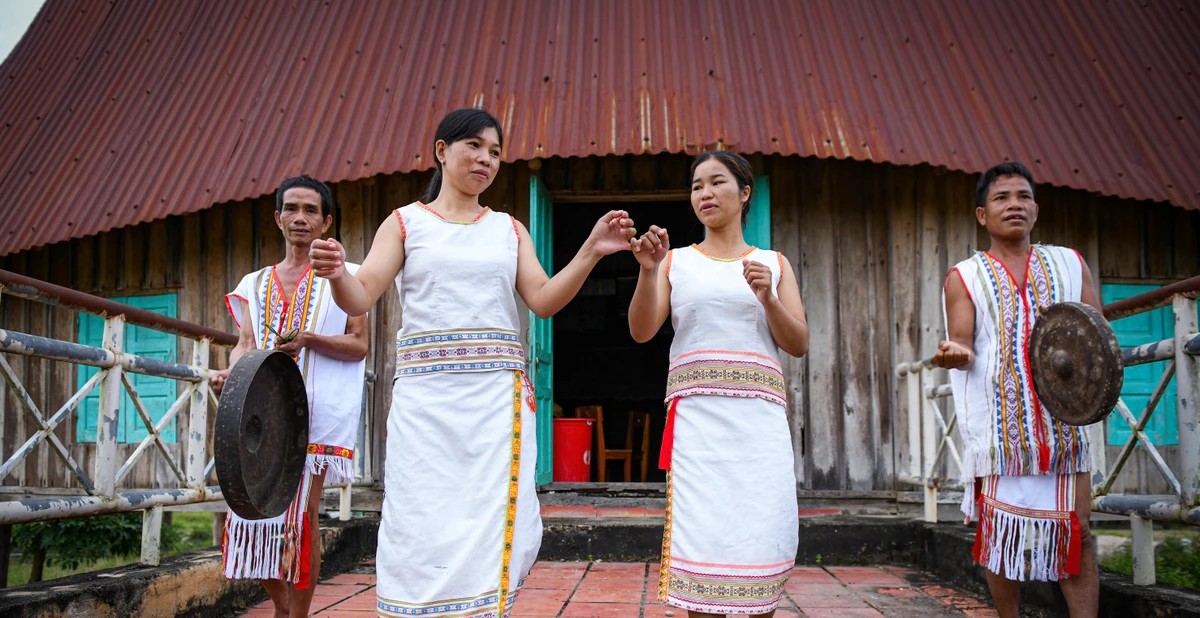
The Ro Mam language belongs to the Mon–Khmer group within the Austroasiatic language family. This linguistic classification connects them with several ethnic groups in the Central Highlands and surrounding regions.
ro mam vietnam

In addition to their native language, many Ro Mam people can communicate in Vietnamese and other local languages. This multilingual ability reflects both integration and cultural interaction.

Geographic Distribution

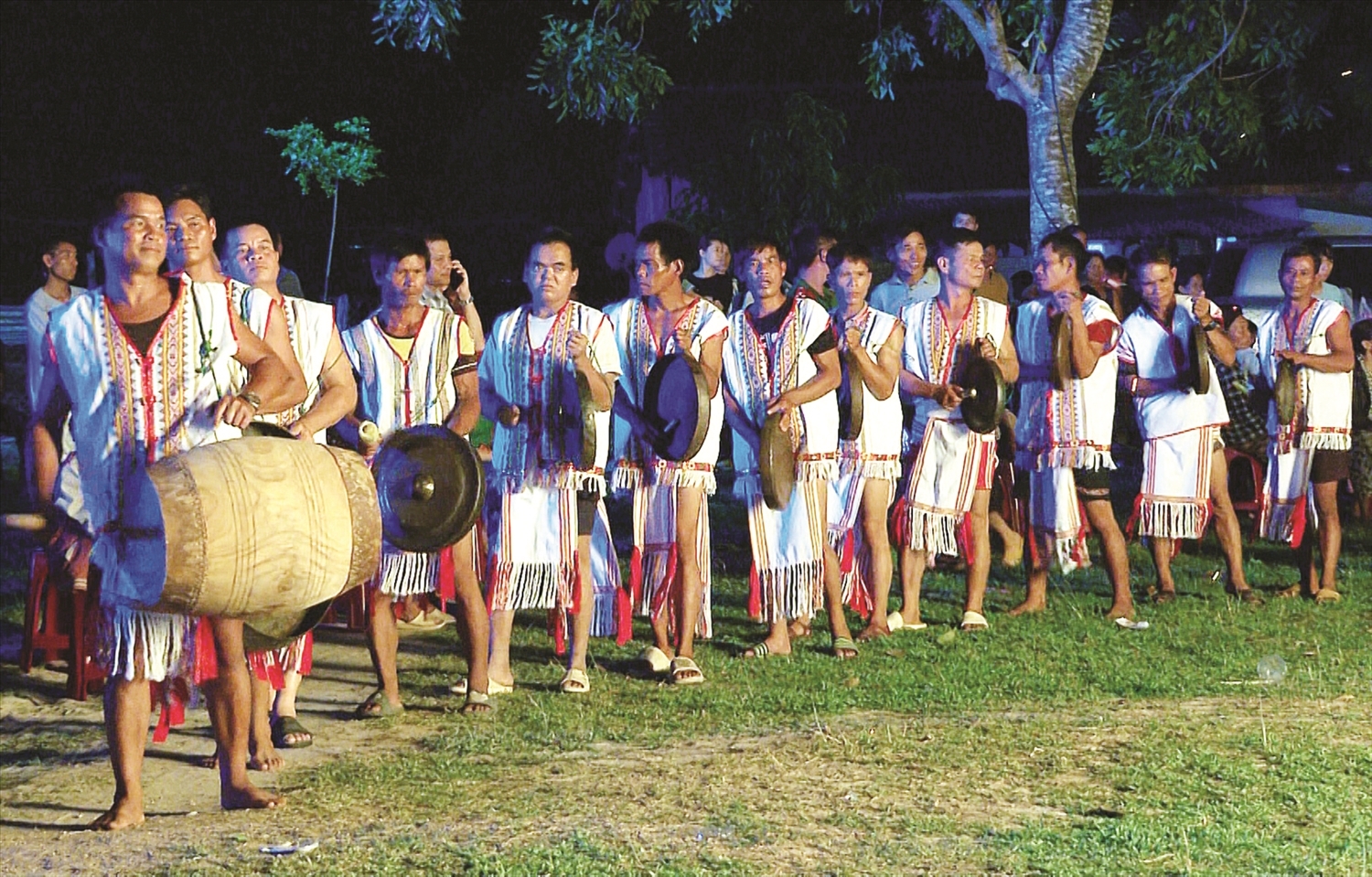
Historically, the Ro Mam lived in multiple villages across Kon Tum Province, often alongside the Giarai people. However, due to various historical changes, their population has significantly decreased.
ro mam distribution

Today, they mainly reside in a single village in Mo Rai Commune, Sa Thay District, Kon Tum Province, near the Vietnam–Cambodia border. This concentrated settlement makes their community both unique and vulnerable.

Religion And Beliefs

The Ro Mam people believe that all things possess a spirit, reflecting a strong animistic worldview. Among these beliefs, the rice spirit holds a particularly important role in their spiritual life.

ro mam religion

They perform rituals throughout the agricultural cycle, from clearing fields to harvesting rice. These ceremonies express their respect for nature and their hope for prosperity and protection.

Festivals

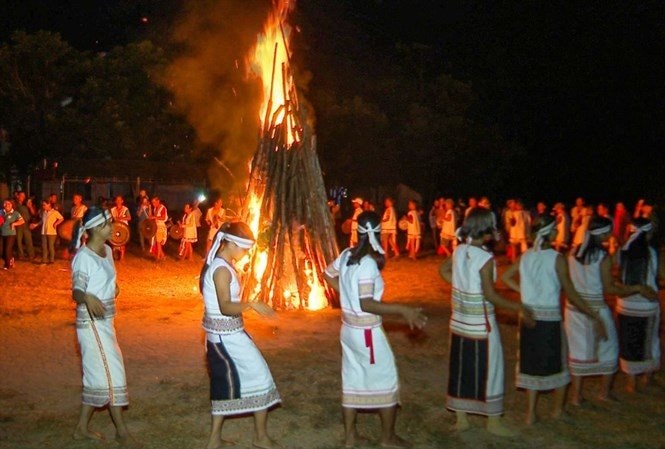
The most important festival of the Ro Mam people takes place after the harvest season. This is a major community event that includes rituals, celebrations, and social activities.

ro mam festival

Following the new rice festival, weddings and ceremonies for the deceased are often organized. Festivals play a central role in maintaining cultural continuity and strengthening community bonds.
ro mam festival 1

Costumes

Traditional costumes of the Ro Mam people are simple yet distinctive. Men typically wear white loincloths, while women wear skirts made from undyed fabric and sometimes go topless or wear simple tops.

ro mam costume 1

Accessories such as earrings made of wood or ivory are common. Cultural practices like tooth filing during adulthood also reflect their traditional identity.

Economic Conditions

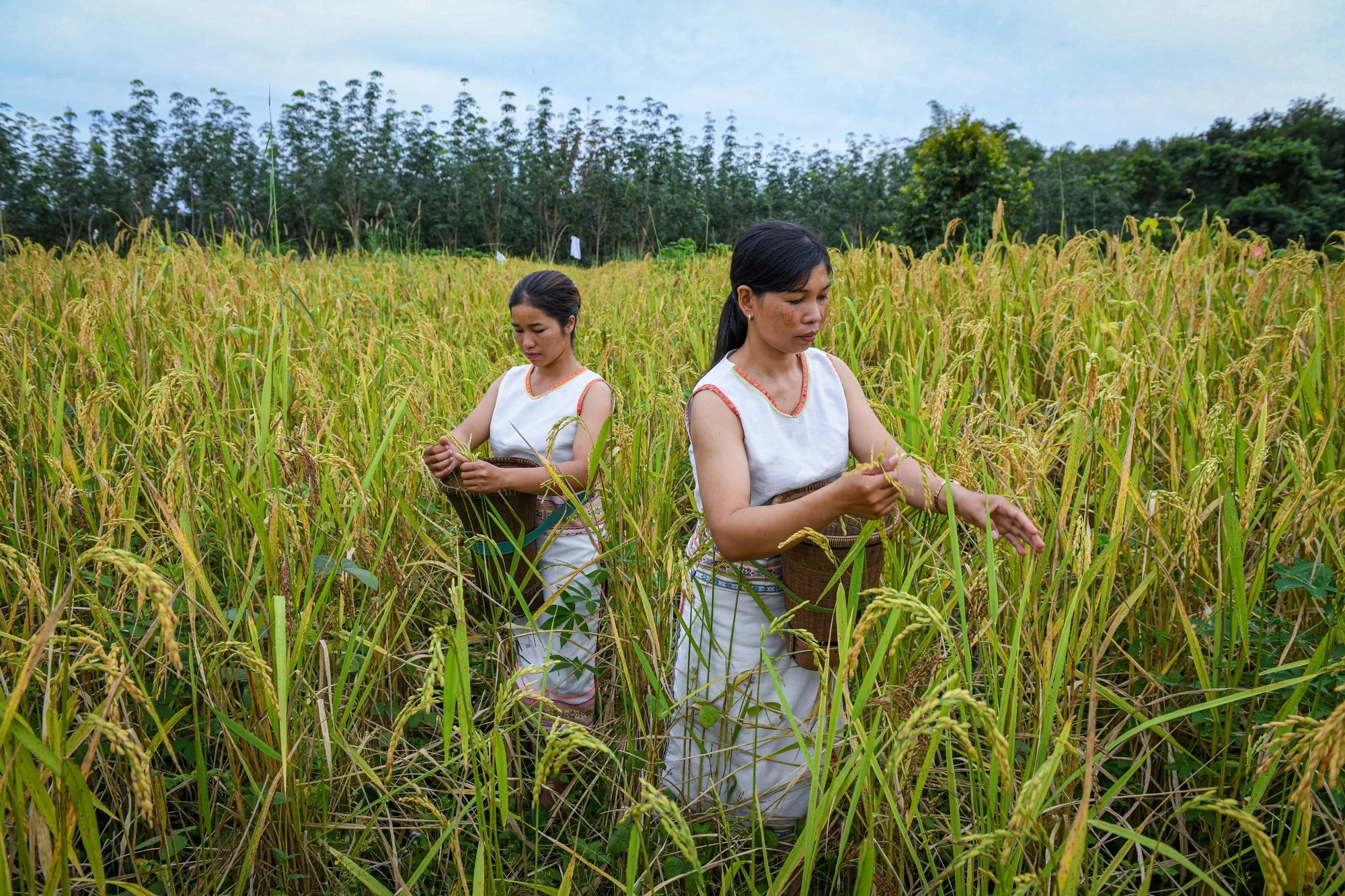
The Ro Mam people primarily rely on agriculture, with sticky rice as their main crop, along with maize and cassava. Farming remains the backbone of their livelihood.
ro mam economic

In addition to cultivation, they engage in weaving and small-scale handicrafts. With support from government policies, their economic conditions have gradually improved, including better access to electricity and clean water.

54. O Du Ethnic Group – A Distinct Community Within The Ethnic Groups In Vietnam

History

The O Du ethnic group is one of the smallest communities among the ethnic groups in Vietnam, with a long history in the north-central region. Historical records show that they have lived for generations in what are now Tuong Duong and Ky Son districts of Nghe An Province.

o du ethnic group

They call themselves “O Du” or “I Du” and are also known as “Tay Hat.” Despite their small population, the O Du have maintained their cultural identity through close community ties and traditional practices passed down over time.

Language

The O Du language belongs to the Mon-Khmer group within the Austroasiatic language family. However, due to their small population and close interaction with neighboring groups, their native language is less commonly used in daily life.

o du people

Today, most O Du people communicate using Khmu or Thai languages. This linguistic shift reflects both cultural exchange and the influence of surrounding ethnic communities in the region.

Geographic Distribution

The O Du people are mainly concentrated in Tuong Duong District, Nghe An Province. This mountainous area provides the natural environment in which they have lived and adapted for many generations.

o du group in vietnam

Their settlements are often located near other ethnic groups, leading to strong cultural interaction. This proximity has shaped many aspects of their daily life, including language, customs, and social organization.

Religion And Beliefs

The O Du people believe that every person has a soul that continues to exist after death. When someone passes away, their soul becomes a spirit, with one part remaining in the home and another residing in the cemetery.

o du vietnam

Ancestor worship plays an important role in their spiritual life. Rituals are performed to honor the deceased and maintain a connection between the living and the spiritual world. These beliefs guide many aspects of family and community traditions.

Festivals

The O Du celebrate major traditional festivals such as the Lunar New Year and the New Rice Festival. These occasions bring the community together to express gratitude and strengthen social bonds.
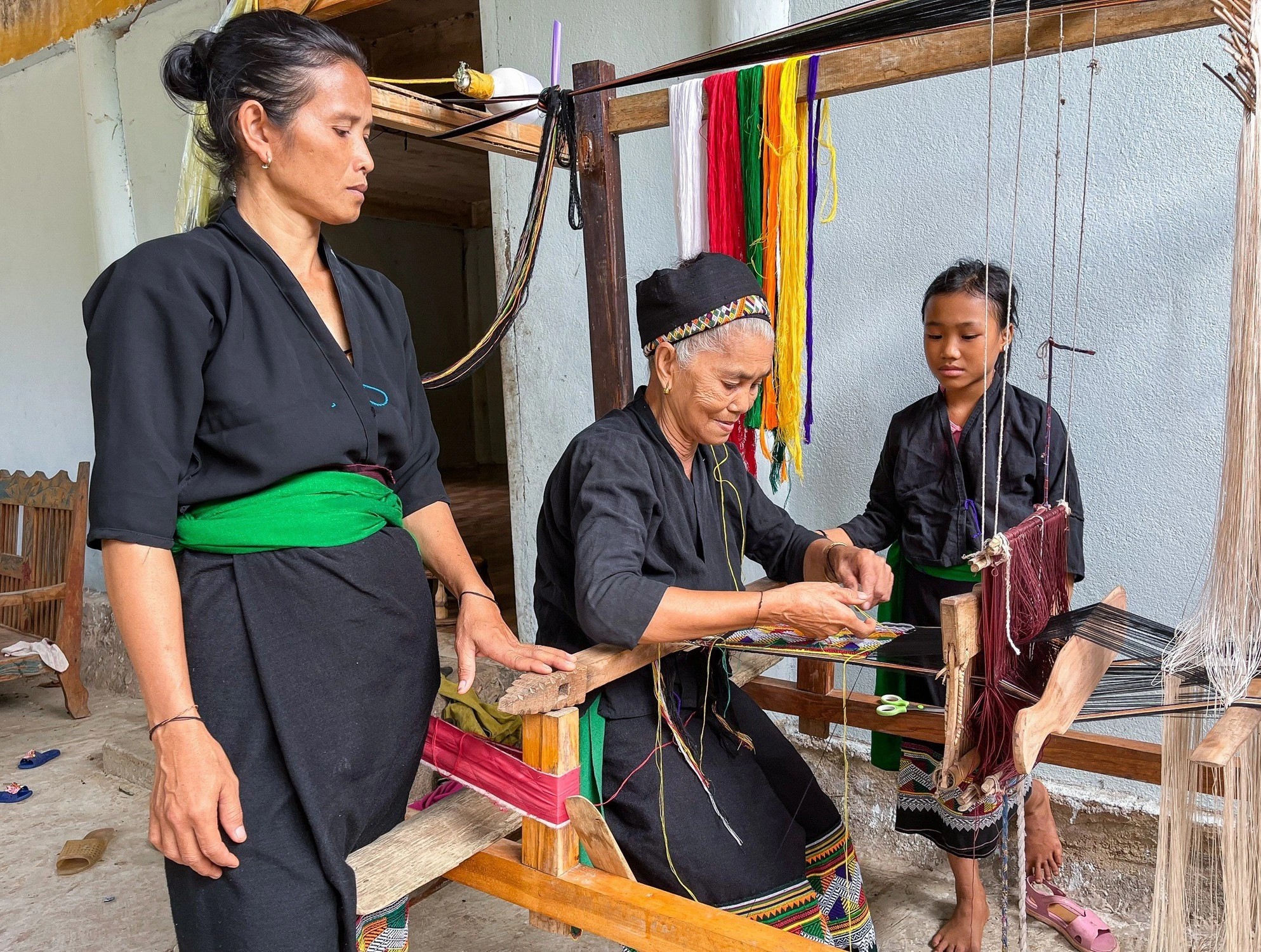
o du group

One of their most important events is the thunder-welcoming festival. During this ceremony, villagers gather to make offerings to the heavens, often including livestock such as buffaloes, cows, and pigs. The ritual reflects their deep connection with nature and agricultural life.

Costumes

Today, traditional O Du clothing is rarely seen. Most men and women wear garments similar to those of the Thai and Vietnamese people in the region.

o du costume

In the past, their costumes had distinct features, but over time, these have gradually disappeared. The change reflects both modernization and the strong cultural influence of neighboring groups.

Economic Conditions

The O Du people mainly rely on agriculture and animal husbandry for their livelihoods. Farming remains the primary source of income, supported by raising livestock and poultry.
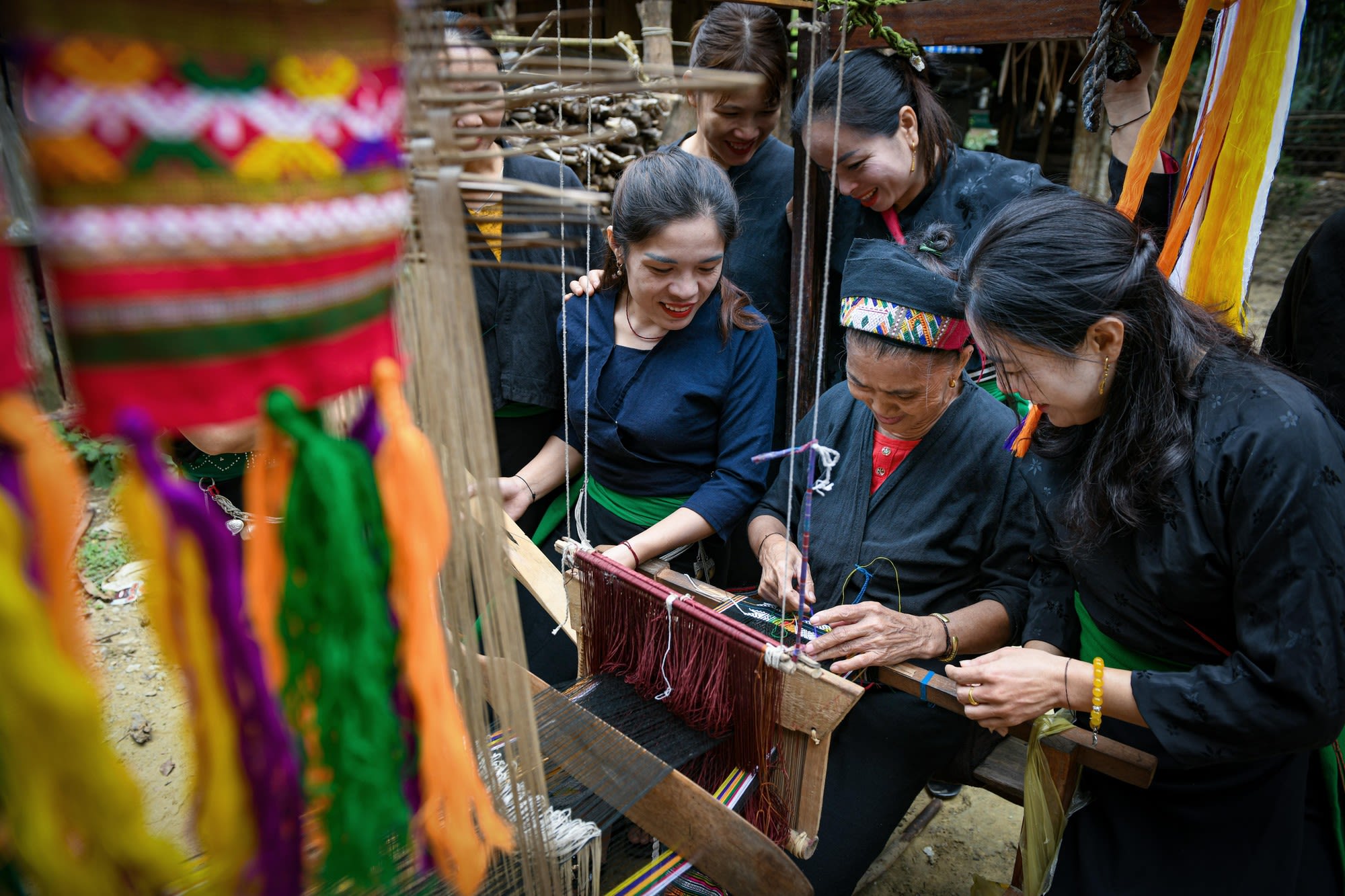
o du economic condition

They also produce household items from bamboo and rattan and engage in simple weaving activities. Although economic conditions are still developing, access to electricity and clean water has improved, helping to enhance their quality of life.

Explore more related content at Fanpage DaNang 365!

Related Articles

Last Articles