


Ready to conquer one of the most iconic mountain passes in Vietnam? Whether you’re an adventurous traveler or a curious expat, the Hai Van Pass promises breathtaking scenery, winding roads, and unforgettable experiences. This guide will walk you through everything you need to know before hitting the road – especially if it’s your first time.

1. Where to Rent Your Bike
To begin your journey, you’ll need a reliable motorbike. Luckily, both Da Nang and Hue offer plenty of trustworthy rental shops. Prices typically range from 150 – 500 VNĐ per/day, depending on the type of bike.
👉 Tip: If you’re used to automatic scooters, consider renting a semi-automatic instead. It offers better control on steep and curvy terrain.

2. Safety First!
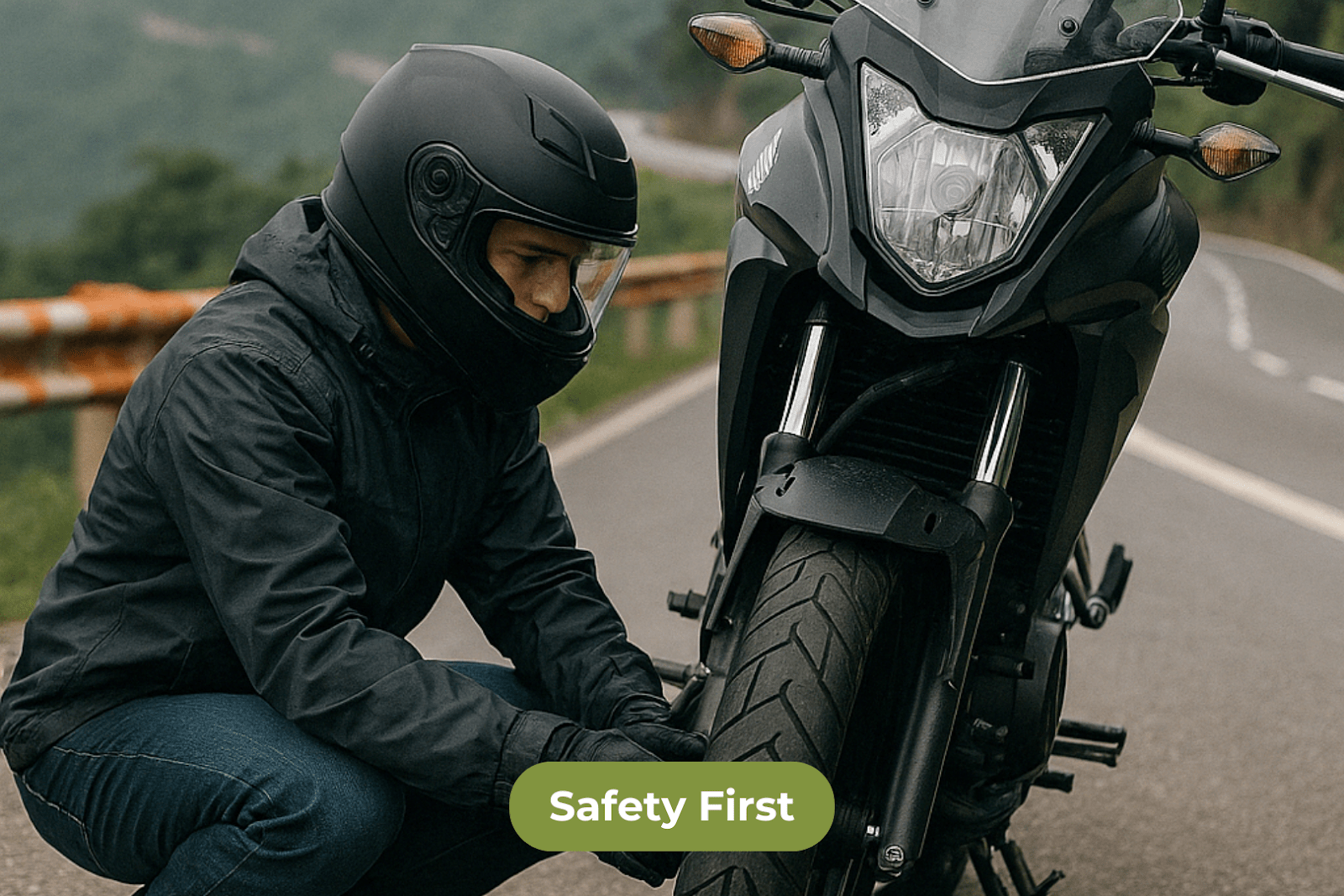
Once you’ve got your ride, the next priority is safety. Hai Van’s winding roads and changing weather demand proper preparation:
- ✅ Always wear a quality helmet (not the thin plastic kind!)
- ✅ Footwear matters – opt for sneakers or boots, not flip-flops
- ✅ Check your brakes, tires, and lights before departing
- ✅ Avoid riding in the dark or during thick fog, when visibility is low
By staying cautious, you’ll ensure a smooth and secure adventure.
3. What to Pack
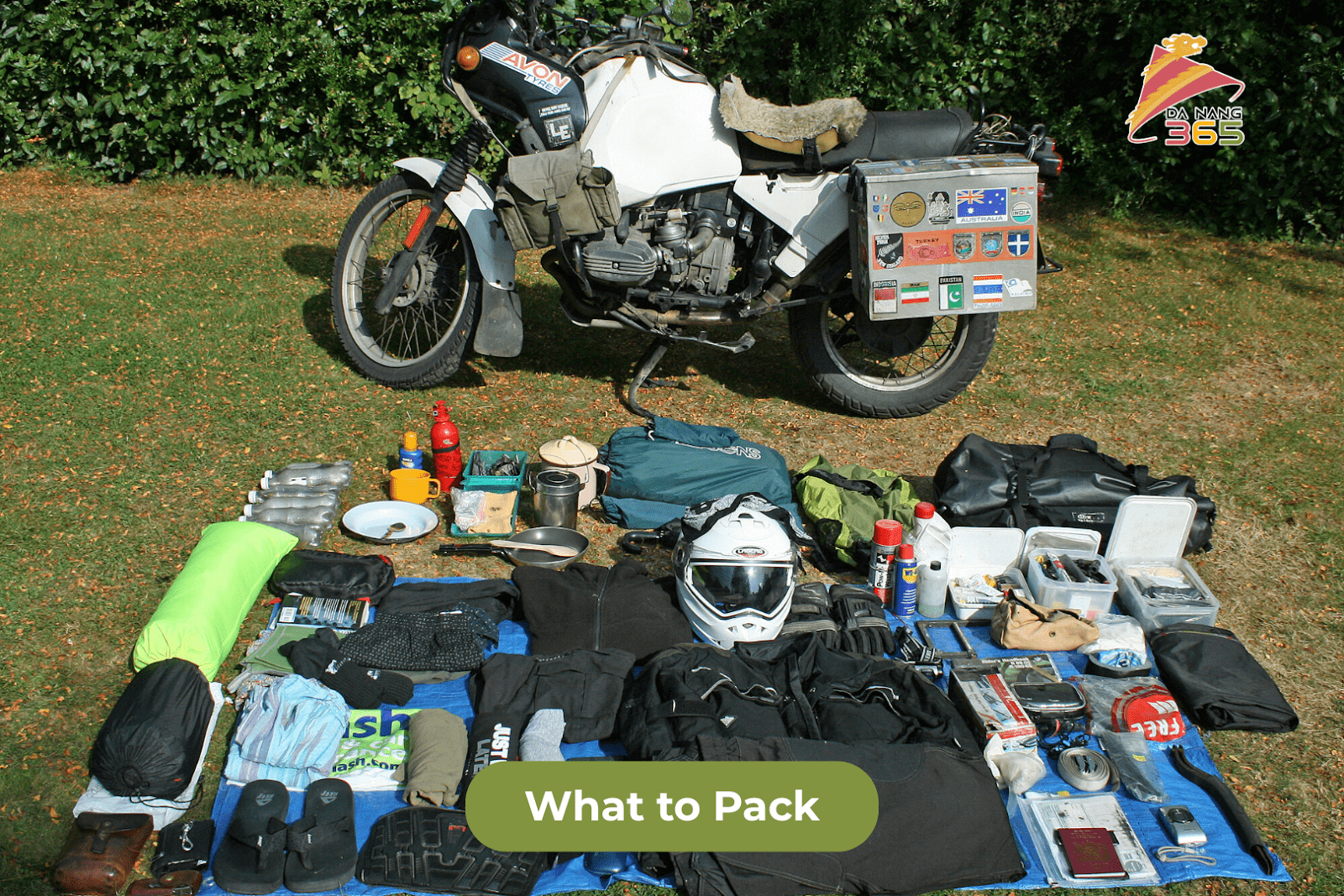
To make your ride comfortable and hassle-free, be sure to bring:
- Water and light snacks
- Sunscreen, and sunglasses
- Your International Driver’s Permit (IDP) and rental documents
- Google Maps (plus an offline version, just in case)
- A power bank – there are no charging stations on the mountain
Being well-prepared helps you stay focused on the journey and not on what you forgot.
4. Best Scenic Stops
Now comes the fun part – soaking in the views! As you climb higher, take time to pull over and explore:
- 📸 Hai Van Gate (Hải Vân Quan): A historical landmark with sweeping views
- ☕ Roadside cafés: Enjoy strong Vietnamese coffee with misty mountain backdrops
- 📷 Hairpin bends: These dramatic turns offer some of the best photo ops along the way
Each stop offers a new way to connect with the landscape and capture lasting memories.

5. Dress Like a Local Rider
Dressing right can make your ride more comfortable and immersive. Local riders know what works:
- 🧥 Bring a light windbreaker- it gets chilly at higher altitudes
- 🕶️ Sunglasses help cut glare and dust
- 😷 A face mask or bandana is useful for both style and filtering dust
Staying comfortable and protected allows you to enjoy the ride to its fullest.

6. Before You Ride
Before revving up your engine, take a final moment to double-check your bike:
- 🔧 Brakes, lights, and tire pressure
- ⛽ A full tank—there are no gas stations along the pass
- 🧰 Basic tools or a puncture kit in case of emergencies
These simple steps could save you a lot of trouble mid-journey.

7. Local Road Wisdom
Understanding local driving etiquette is key:
- Honk when approaching blind corners—it’s a common and courteous safety signal
- Stay in your lane, especially on curves—buses often drive fast
- Go slow and take it all in—Hai Van Pass is about the journey, not the speed
- If you’re not confident riding solo, go with a friend or group
By respecting the road and fellow drivers, you ensure a safer and more enjoyable ride.

Bonus: When to Go
Lastly, timing is everything:
- Early morning (5:30–6:30 AM): Perfect for cloud hunting and tranquil views
- Sunset: Best seen when riding from Hue to Da Nang
- Avoid October to December: The rainy season makes roads slippery and fog more frequent
Hai Van Pass isn’t just a ride – it’s a journey through Vietnam’s soul. From misty mountain peaks to panoramic ocean views, every twist and turn brings a new sense of wonder. So take your time, pack smart, ride safe, and let the road inspire you.