


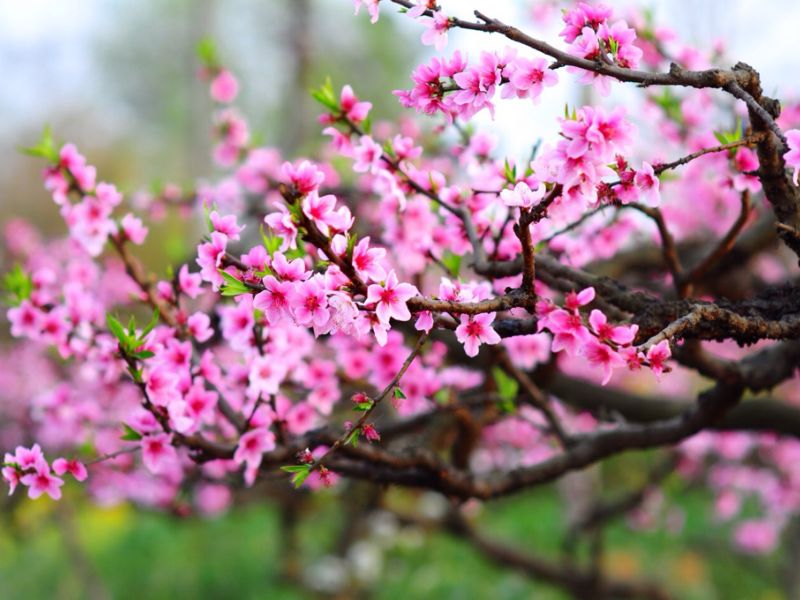

The peach blossom explains why this delicate pink flower plays a powerful role in Tet traditions. For centuries, people have believed the peach blossom can protect homes, bring peace, and attract good fortune. This ancient myth continues to influence culture, spirituality, and daily life in northern Vietnam today.
Explore more about DaNang365 here!
Peach Blossom And Its Ancient Spiritual Origin
The peach blossom has deep roots in ancient folklore. According to traditional stories, a giant peach tree once stood on a sacred mountain in northern Vietnam. This tree carried strong spiritual energy and protected nearby villages from evil spirits.
Two powerful guardian spirits lived inside the tree. Their names were Tra and Uat. These spirits defended the people and kept harmful forces away. Evil spirits feared their presence and avoided the area completely.
However, each year, the guardian spirits left temporarily. They traveled to heaven to report to the Jade Emperor. During their absence, evil spirits returned and threatened the villagers. People needed protection during this vulnerable time.
Villagers found a practical solution. They cut branches from the sacred tree and placed them inside their homes. They believed the branches carried the same spiritual power as the original source. Evil spirits feared the wood and stayed away from houses displaying it.
This belief laid the foundation for today’s Tet custom. Families continued displaying branches every Lunar New Year to protect their homes and welcome positive energy.

Meaning And Spiritual Protection
The peach blossom meaning reflects protection, renewal, and hope. Many people believe the flower can block negative energy and guard families from harm. This belief connects directly to ancient folklore.
The Peach blossom flower blooms at the beginning of spring. Its appearance marks the end of winter and the start of a new cycle. This timing symbolizes fresh beginnings and new opportunities.
The soft pink petals represent peace and emotional balance. Families believe this sacred bloom creates harmony inside the home. This peaceful atmosphere helps everyone start the new year with optimism.
This traditional flower also symbolizes prosperity and growth. Its blooming signals vitality and success. Many households believe displaying a Peach blossom flower attracts wealth and good fortune.
Because of these meanings, this cultural symbol holds strong spiritual value. Its presence during Tet reflects both tradition and belief.

Peach Blossom In Tet Tradition In Northern Culture
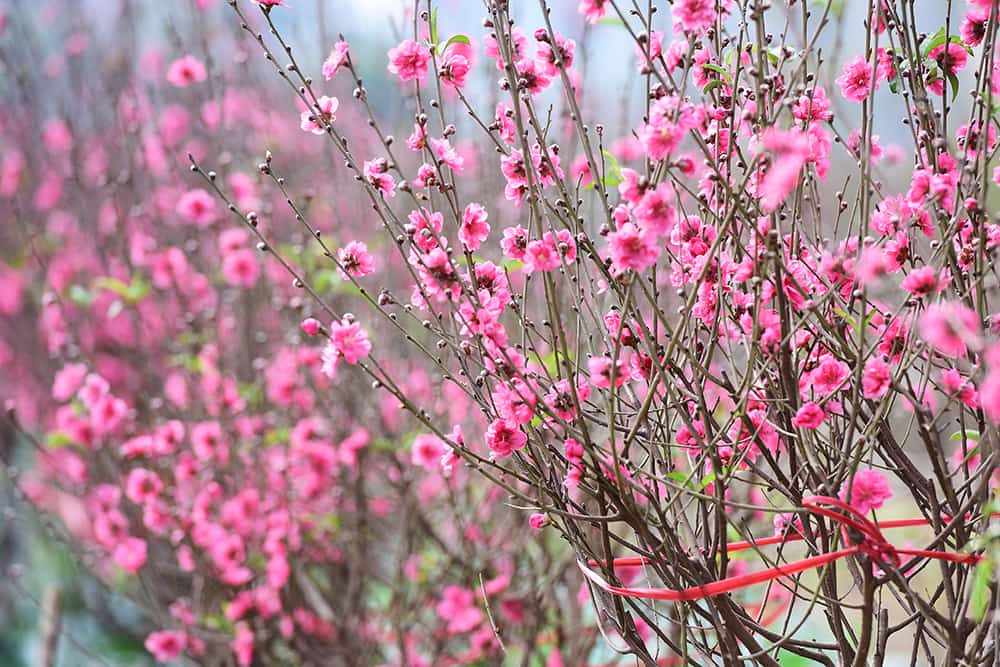
The peach blossom plays a central role in Tet celebrations across northern regions. Before Tet arrives, families visit flower markets to select beautiful branches. They carefully choose those with strong trunks and healthy buds.
Cities like Hanoi become filled with colorful displays of Peach blossom flower branches. Markets attract thousands of visitors. These decorations create a festive and joyful environment that signals the arrival of spring.
Families place branches in their living rooms. This placement allows symbolic protection and good fortune to spread throughout the home. Guests immediately recognize this decoration as a sign of Tet and renewal.
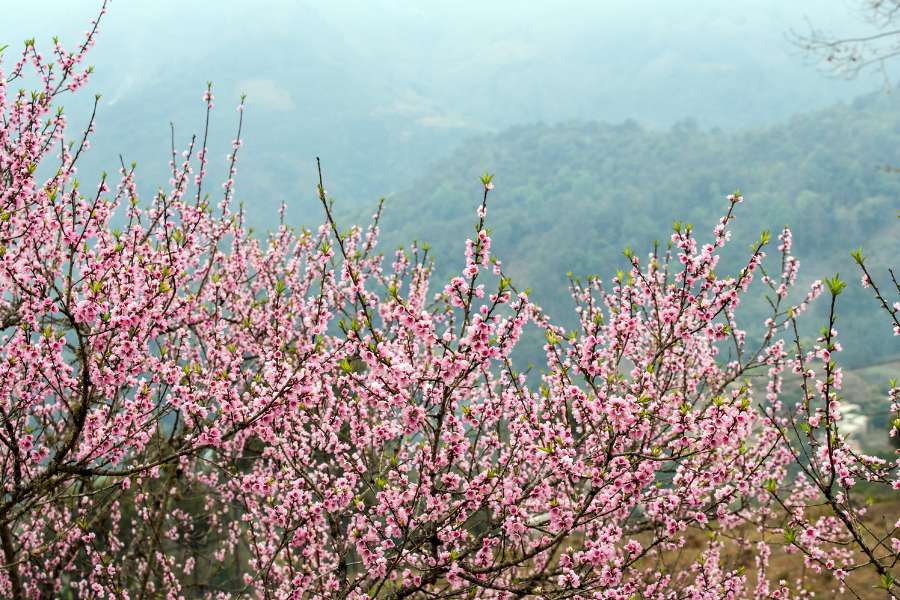
Farmers in northern areas dedicate entire fields to cultivating these symbolic trees. They carefully manage growth timing to ensure the blooms appear exactly during the Lunar New Year.
This careful preparation shows how important this traditional flower remains in cultural life.
Symbolism And Cultural Identity In Vietnamese Tradition
The peach blossom represents more than decoration. It carries deep symbolic meaning within Vietnamese culture. Ancient communities believed its wood contained protective power. They used it to create charms and spiritual objects.
This symbolism reflects safety, strength, and spiritual authority. People trusted the Peach blossom flower to guard their homes against negative forces.
This bloom also represents renewal and vitality. Its appearance reminds people that life continues and grows stronger with each new season. This message brings hope at the start of a new year.
In addition, this symbol strengthens cultural continuity. Each generation learns about the peach blossom meaning and its spiritual roots. Families share stories and preserve this tradition together.
Through this practice, the flower connects mythology with modern daily life.
How This Sacred Tradition Lives Today
The peach blossom continues to influence modern society. Despite rapid urban development, families still respect and preserve this tradition. This flower remains an essential decoration during Tet.
Modern households display branches to invite peace and happiness. Many people still believe this symbol brings luck and protection. This belief remains strong in both rural and urban communities.
Flower markets attract locals and tourists who admire the beauty of seasonal displays. These markets also support local farmers who dedicate months to cultivating healthy trees.
Artists and writers often use this flower as a cultural symbol. It represents Tet, renewal, and Vietnamese identity. Its image appears in paintings, photography, and festive decorations.
Why Peach Blossom Still Matters Today
The peach blossom remains important because it connects people to their cultural roots. It explains why families continue displaying this symbol during Tet celebrations.
The peach blossom meaning strengthens emotional and spiritual connections. Families feel hopeful and secure when the flower appears in their homes. It creates continuity between past traditions and modern life.
The Peach blossom flower also represents the spirit of Tet. It marks the beginning of a new year filled with opportunity and renewal. Its presence creates a warm and meaningful festive atmosphere.
Today, the peach blossom remains a powerful symbol of protection, hope, and prosperity in northern Vietnam. It ensures that future generations will continue honoring and celebrating this meaningful heritage.
Find more information about Fanpage DaNang 365 here!