


For visitors to Vietnam, Tet Nguyen Dan, or the Lunar New Year, offers a rare chance to experience a celebration steeped in tradition, joy, and family unity. Unlike Western New Year’s celebrations, Tet means so much more than the change in the calendar date. It’s a time to remember and appreciate the past, celebrate family ties, and hope for a prosperous future. Deeply embedded in Vietnamese culture, the holiday brings together spiritual practices, culinary traditions, and festive rituals that leave an indelible mark on anyone lucky enough to be in the country during this time.

The Magical Preparations Leading Up to Tet
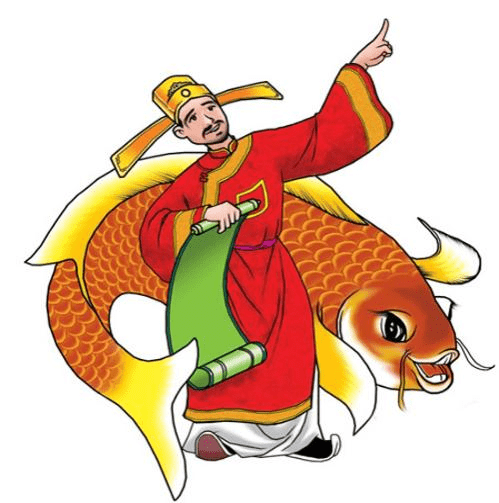
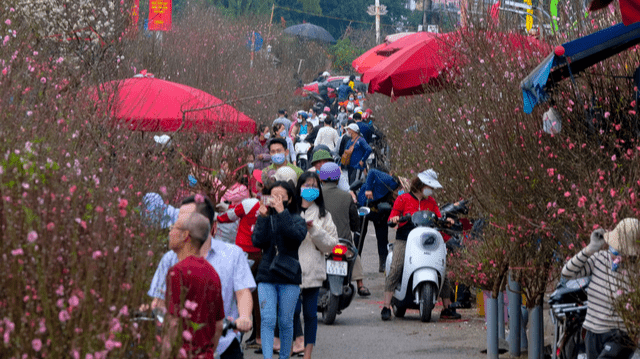
Tet preparations begin weeks in advance, creating a lively and vibrant atmosphere in the streets of Vietnamese cities and villages. Markets buzz with activity as families prepare for the new year by shopping for local flowers, such as peach blossoms and kumquat trees. These flowers are not just decorations—they symbolize prosperity, good fortune, and the arrival of spring. On the 23rd day of the last lunar month, families honor the Kitchen Gods, a ritual known as Tet ong Cong ong Tao. In a ceremony marked by incense, offerings of food, and symbolic carp, the Kitchen Gods are sent back to heaven to report on the family’s year. It’s a meaningful and spiritual tradition that signifies the connection between the earthly and the divine.
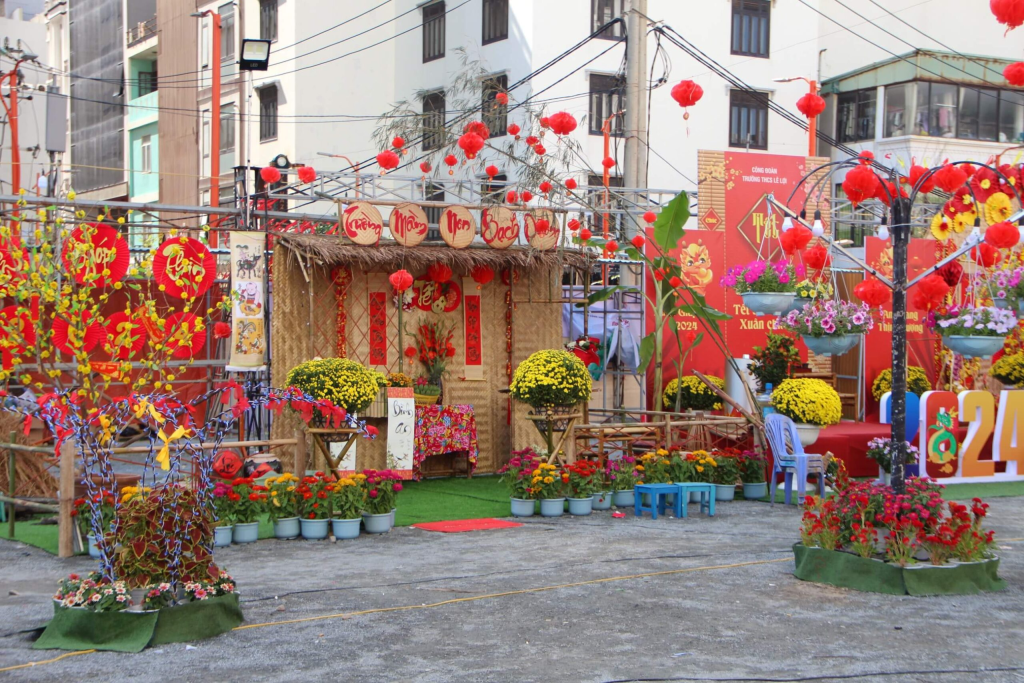
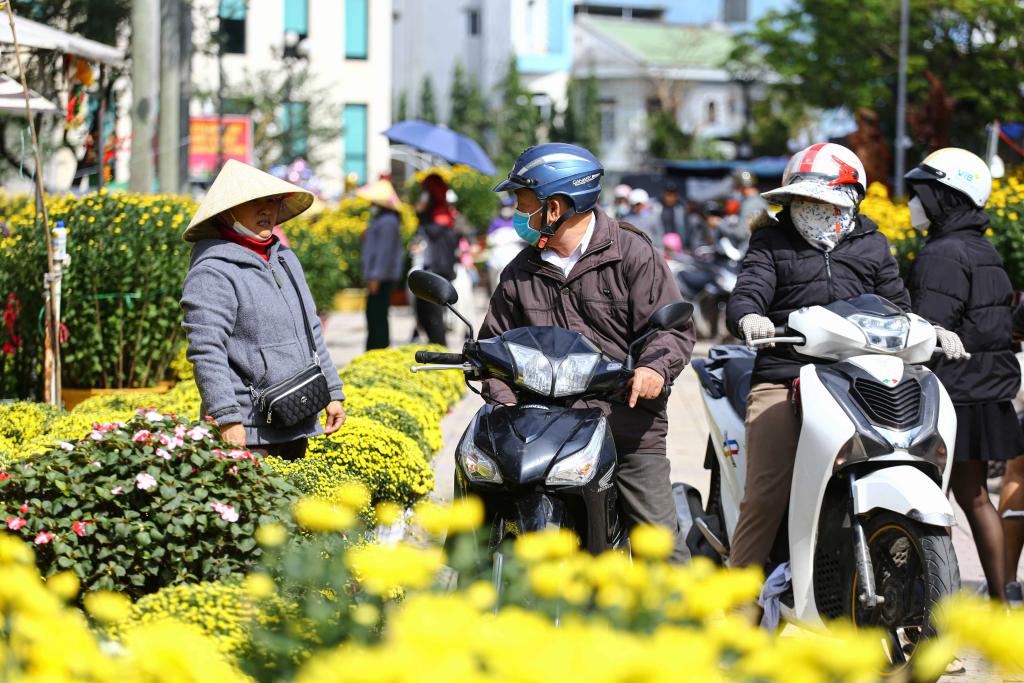

The festive spirit intensifies as homes are cleaned and meticulously prepared for the holiday. Families sweep away any bad luck or lingering negativity from the past year, making space for fresh beginnings. The streets are filled with stalls selling red banners, bright lanterns, and decorative couplets known as cau doi do, all meant to invite happiness and prosperity into the home. The sound of laughter fills the air as people gather to decorate and get ready for the coming festivities.

The Joyful Traditions of Tet
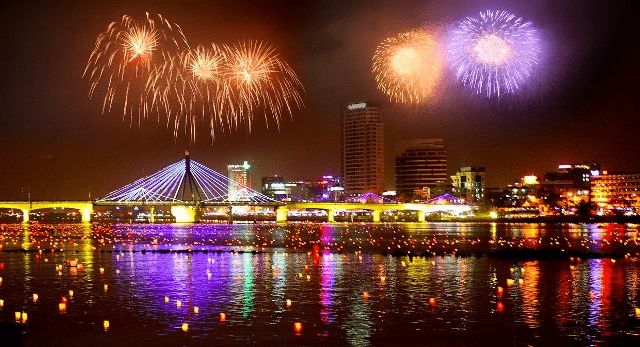
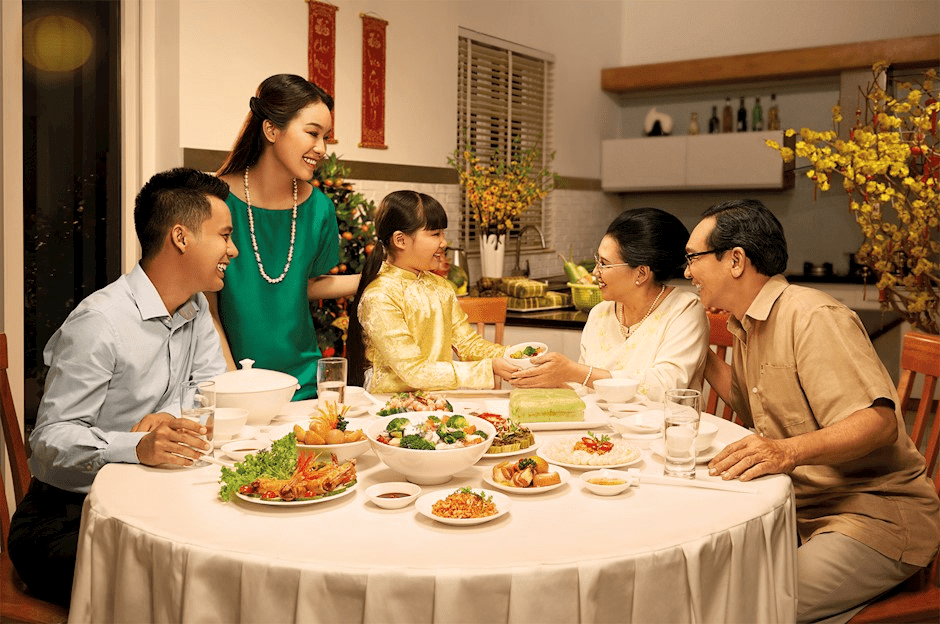
Tet alone is noted for several joyful customs, showing the prominence of family, respect, and appreciation. The most important day of the holiday is the first day, named Mung Mot Tet. Families unify in a reunion dinner on the eve of the New Year and take the occasion to review the past year and share hopes for the coming one. It is at this time when fireworks burst into the sky to announce the advent of a new year, bringing with it peace and prosperity. This exploding color combination is not only a display of beauty to the eyes but also an alleged aura-changer, as supposedly the evil spirits and all that spell misfortune are warded off.
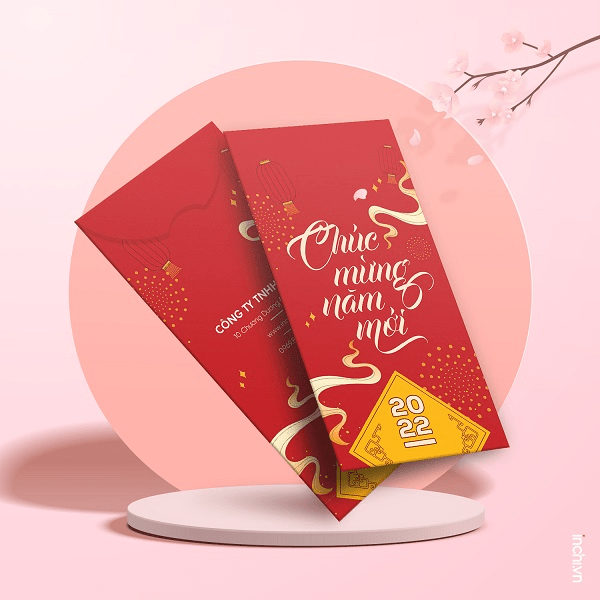
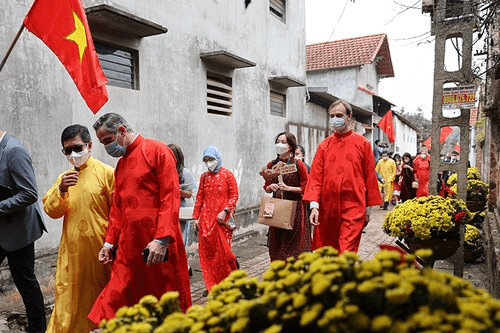
On the first day of the new year, it is customary to visit the paternal side of the family, hence the saying, “Mong Mot Tet cha, Mong Hai Tet me, Mong Ba Tet thay” (“The first day is for father, the second for mother, and the third for teachers”). These visits are full of joy, with families exchanging li xi, red envelopes filled with money, as a symbol of good luck and blessings for the year ahead. The second and third days continue with visits to maternal relatives and teachers, with more laughter, greetings, and respect shared among family members and friends.
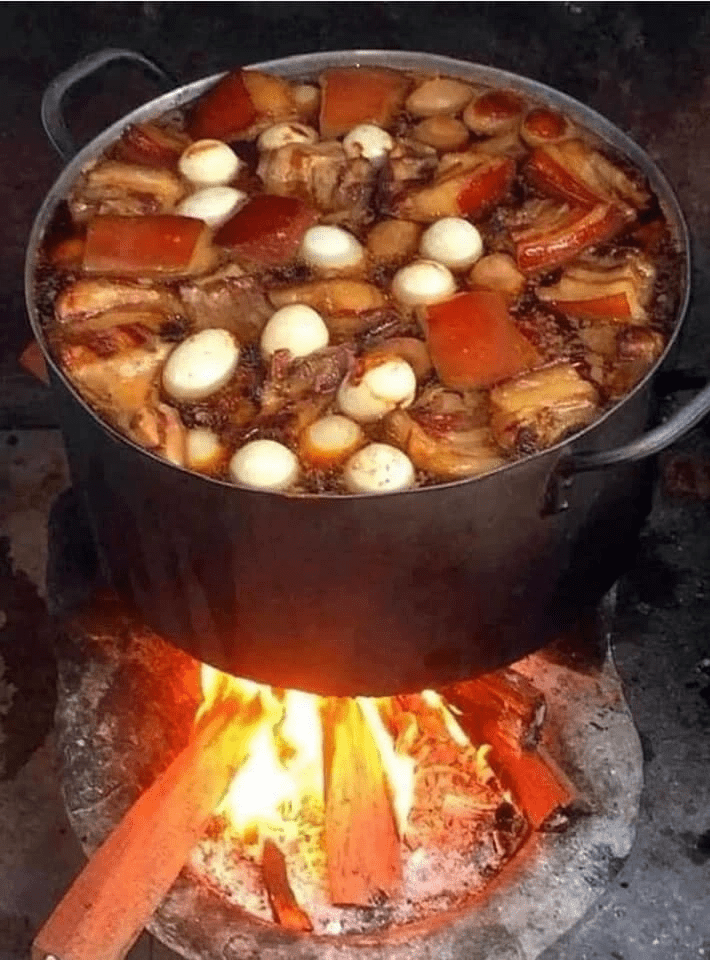
The Feast: Symbolic Dishes and Shared Meals
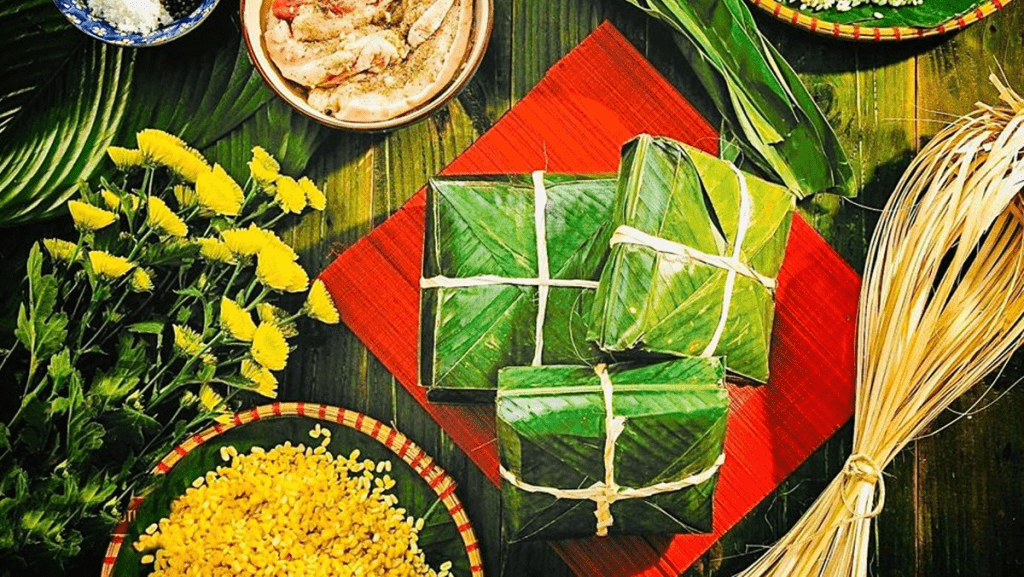
No celebration of Tet is complete without the traditional foods that bring families together. The star of the holiday table is banh chung, square sticky rice cakes filled with mung beans and pork, symbolizing the Earth and the balance between heaven and earth. Thit kho tau, a dish of caramelized pork, is also a must-have during the New Year’s feast, symbolizing prosperity and family unity. These dishes are lovingly prepared and shared as a reminder of the importance of family and tradition.

For visitors, Tet offers not only the opportunity to witness a cultural celebration but to participate in the rituals that make this time of year so special. Whether it’s visiting the bustling flower markets, watching the fireworks, or sharing a meal with locals, Tet provides a window into the heart of Vietnamese culture, where the past is honored, the present is celebrated, and the future is filled with hope and renewal.