




Vietnam ranked second in Southeast Asia for generative AI usage in the second quarter of 2026, with 27.9% of its working-age population using at least one generative AI product. The latest figures from Microsoft show that AI adoption in Vietnam continues to grow, placing the country behind only Singapore in the region.
Vietnam’s Generative AI Use Continues To Grow
According to the Global AI Diffusion Q2 2026 Trends and Insights report from Microsoft’s AI Economy Institute, 27.9% of Vietnam’s working-age population used a generative AI product during the second quarter of 2026.
The figure increased by 1.4 percentage points from 26.5% in the first quarter, placing Vietnam 33rd among the economies covered by the report.
Singapore remained the clear regional leader, with 64.3% of its working-age population using generative AI. Globally, Singapore ranked second, behind the United Arab Emirates, where the rate reached 73.3%.
Vietnam’s rate was also higher than that of other major Southeast Asian markets included in the report:
- Malaysia: 22.6%
- Philippines: 20.7%
- Indonesia: 14.8%
- Thailand: 13.4%
Vietnam’s quarterly increase of 1.4 percentage points also exceeded the growth recorded in these four markets.
Vietnam Is Growing Faster Than Several Regional Peers
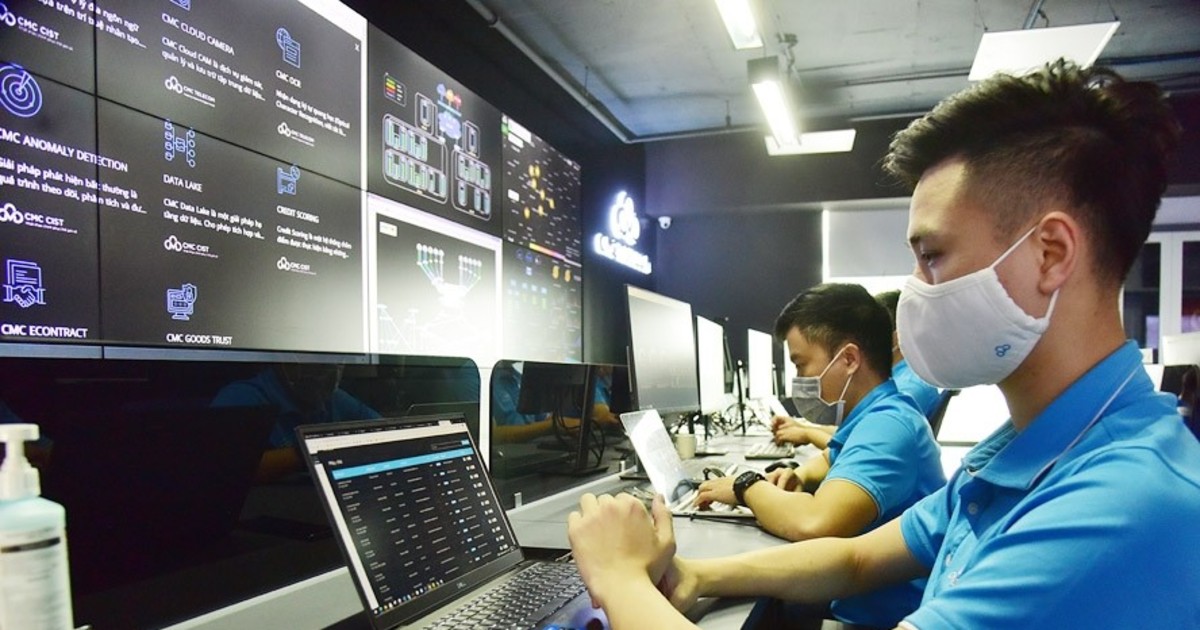
The latest figures show that Vietnam’s AI adoption is not only relatively high but also continuing to expand.
Between the first and second quarters of 2026, Vietnam recorded a 1.4-percentage-point increase. During the same period, Malaysia, the Philippines, Indonesia and Thailand recorded smaller gains.
The broader global picture also points to continued growth. Generative AI was used by 18.8% of the working-age population worldwide in Q2 2026, up by around one percentage point from the previous quarter.
Microsoft reported that almost every economy included in the index recorded an increase in AI diffusion during the period.
Vietnam’s 27.9% rate was also significantly above the 16.2% average for the Global South, the group in which Microsoft classifies Vietnam.
By comparison, the average AI diffusion rate in the Global North was 28.8%. The gap between the two groups widened to 12.6 percentage points in the second quarter, compared with 12.1 percentage points in the first quarter.
How People Are Using Generative AI
The report also points to differences in the ways people use generative AI depending on their market and economic environment.
In developing economies, generative AI is being used heavily for self-directed learning, skills development and educational support. Younger populations are an important factor behind this trend.
Users in the Global North, meanwhile, showed relatively higher use of AI for consumer-related activities such as shopping, information searches and providing feedback.
In the Global South, activities such as creating and editing text, code and images represented a larger share of generative AI use.
These differences suggest that AI is being adopted for a wide range of everyday purposes, from learning new skills to creating content and completing practical tasks.
Digital Infrastructure Still Matters
While generative AI adoption is increasing, access to the technology is not uniform across markets.
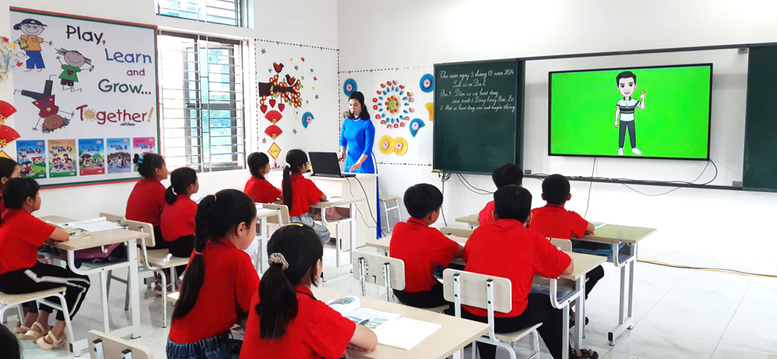
Microsoft noted that differences in digital infrastructure, internet connectivity, access to devices and digital skills can contribute to variations in AI adoption between countries.
For developing economies, these factors remain important as more people begin using generative AI for education, work and personal activities.
The report also highlights open-weight AI models as one possible way to lower some barriers to access. These models can be downloaded, modified and deployed by organizations, allowing them to adapt AI systems to specific languages and local needs while potentially reducing costs.
However, open-weight models cannot solve all of the underlying challenges. Reliable internet connections, electricity, computing infrastructure and digital skills are still necessary for broader AI adoption.
What The Numbers Actually Measure
Microsoft’s AI diffusion figure should also be understood in context.
The company defines AI diffusion as the share of people aged 15 to 64 who have used a generative AI product during the reporting period.
The figures are calculated using aggregated and anonymized Microsoft telemetry data, with adjustments made for factors including operating system and device-market share, internet penetration and population.
As a result, the indicator measures people’s use of generative AI products rather than the overall deployment of AI across an economy.
For example, AI systems used internally by businesses or government agencies may not be fully captured by Microsoft’s telemetry.
Vietnam’s AI Momentum Continues
Vietnam’s latest ranking adds to a broader pattern of growing AI adoption in the country.
Earlier in 2026, Vietnam recorded a generative AI diffusion rate of 26.5% in the first quarter, already ranking second in Southeast Asia behind Singapore. The increase to 27.9% in the second quarter shows that adoption has continued to move upward.
Other recent research also points to strong interest in AI among Vietnamese users. Google’s 2026 Gemini Southeast Asia Report, for example, found that 89% of prompts submitted by users in Vietnam were in Vietnamese, while learning-related prompts accounted for 17% of all prompts in the country, the highest share in Southeast Asia.
Together, these figures highlight Vietnam’s growing engagement with generative AI, while also showing that continued progress will depend on digital infrastructure, skills and access to computing resources.
For Vietnam, the challenge now goes beyond simply increasing the number of AI users. Building the skills and infrastructure needed to use these technologies effectively will be increasingly important as generative AI becomes a larger part of everyday work, education and digital life.
Source: Vietnam News, based on the Microsoft AI Economy Institute’s Global AI Diffusion Q2 2026 Trends and Insights report.