


Today, Bà Nà Hills is known as one of Vietnam’s most popular tourist destinations, where visitors can enjoy breathtaking views, stunning architecture, and the world’s longest cable car ride. But what if you could travel back in time and experience Bà Nà as it was 100 years ago? How did this picturesque mountain evolve from a remote hideaway into the bustling attraction it is today?

A Look Back to 1901: The French Discovery
Bà Nà’s history as a retreat began in 1901 when French colonists first surveyed the area, drawn by the cool climate and pristine environment. However, it wasn’t until 1919 that the first wooden house was completed at the top of Bà Nà. This marked the beginning of its transformation into a French hill station, a place where the French elite could escape the oppressive heat of the lowlands.

Bà Nà’s First Luxury Hotel
By May 1923, the French had completed the first luxury hotel at Bà Nà—a two-story building with 22 rooms—owned by Da Nang merchant Emile Morin. It was from this point that the French dream of “having breakfast in Tourane (Da Nang) and lunch in Bà Nà” started to become a reality. The hotel became a popular retreat for French officials, who relished the idea of a European-style summer vacation in the heart of Indochina.

Staying at the Morin Hotel was considered a luxury at the time, costing 8-9 Indochinese Piastres per night. To put this in perspective, the monthly salary of a rural teacher was around 6 Piastres, making it a costly indulgence that only the wealthy could afford.
Travel to Bà Nà 100 Years Ago: An Epic Journey
Visiting Bà Nà 100 years ago was far from the convenient, 30-minute cable car ride that tourists enjoy today. Instead, it was an arduous adventure, reserved for only the most determined travelers. According to historical records, Dr. Sallet, a frequent visitor to Bà Nà, described the tour in his 1924 book “Friends of the Ancient Capital of Huế.”

Guests would leave from Da Nang’s Morin Hotel at 4:30 AM, traveling by car to the base of Bà Nà. From there, they began a five-hour ascent up the mountain by sedan chair, carried by porters. The return trips were only available on alternate days, and each tour was limited to 10 guests, who had to reserve their spot 48 hours in advance.
Despite the challenging travel, the allure of Bà Nà was strong. Visitors were drawn to its cool mountain air, picturesque landscapes, and exclusive atmosphere. At its peak, the hill station featured wine cellars, wooden vacation homes, and a range of modern amenities like railways and observatories.
A Glimpse of the High Life
The French were meticulous in building their hill stations, and Bà Nà was no exception. A cog railway was later added to facilitate the journey up the mountain, and an observatory allowed visitors to take in panoramic views of the surrounding countryside. Wine cellars were built to store French wine, providing a taste of home for the expatriates who longed for the comforts of Europe.
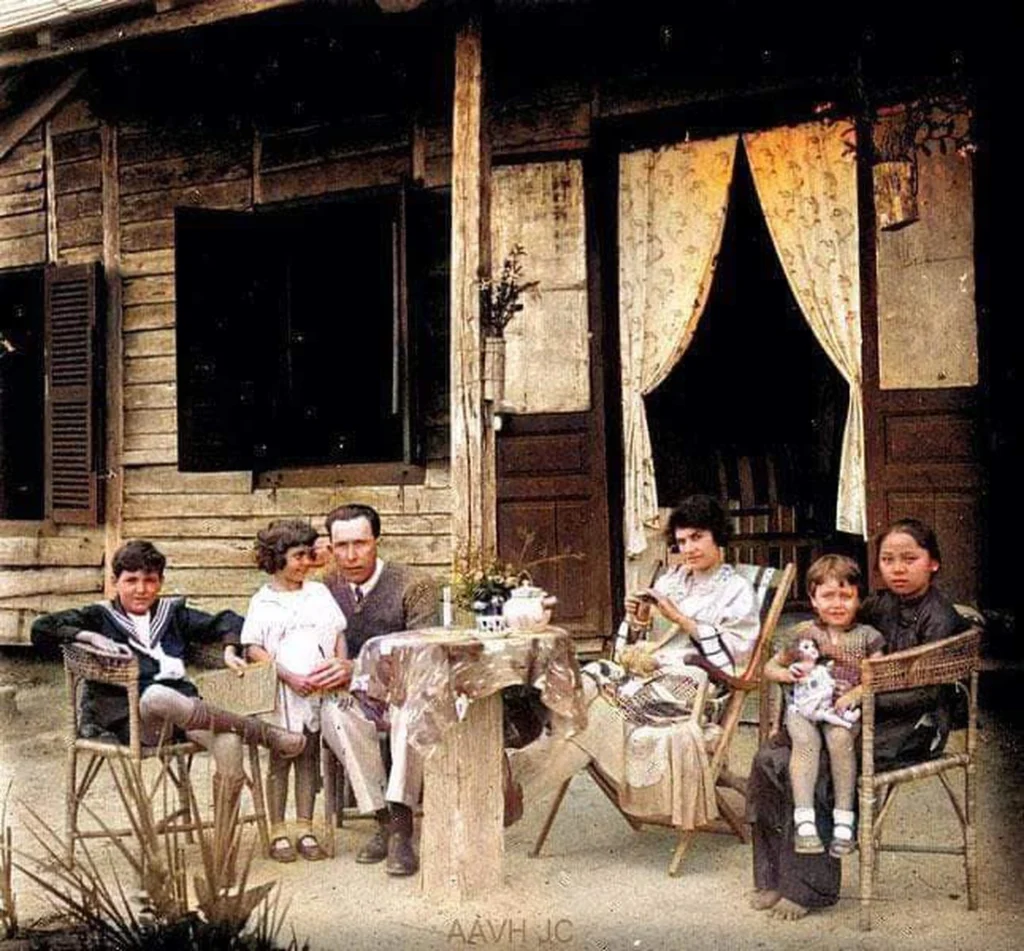
Bà Nà became a place where French colonists could unwind, sipping on imported wine while enjoying the fresh mountain breeze. It was an idyllic retreat, far removed from the realities of colonial life in Vietnam’s tropical lowlands.

The Decline and Revival of Bà Nà
Like many French hill stations in Vietnam, Bà Nà fell into decline after World War II. The tumultuous years of war and political upheaval saw the hill station largely abandoned, and the buildings were left to crumble. It wasn’t until 2009 that Bà Nà began its revival, with the construction of a modern cable car system and the creation of Sun World Bà Nà Hills.

Today, visitors can enjoy the Bà Nà Cable Car, which holds four Guinness World Records, including the record for the world’s longest non-stop cable car at over 5.8 kilometers. The modern-day Bà Nà Hills features a blend of natural beauty and French colonial charm, with attractions like the Golden Bridge, French Village, and Le Jardin D’Amour gardens.
A Journey Through Time
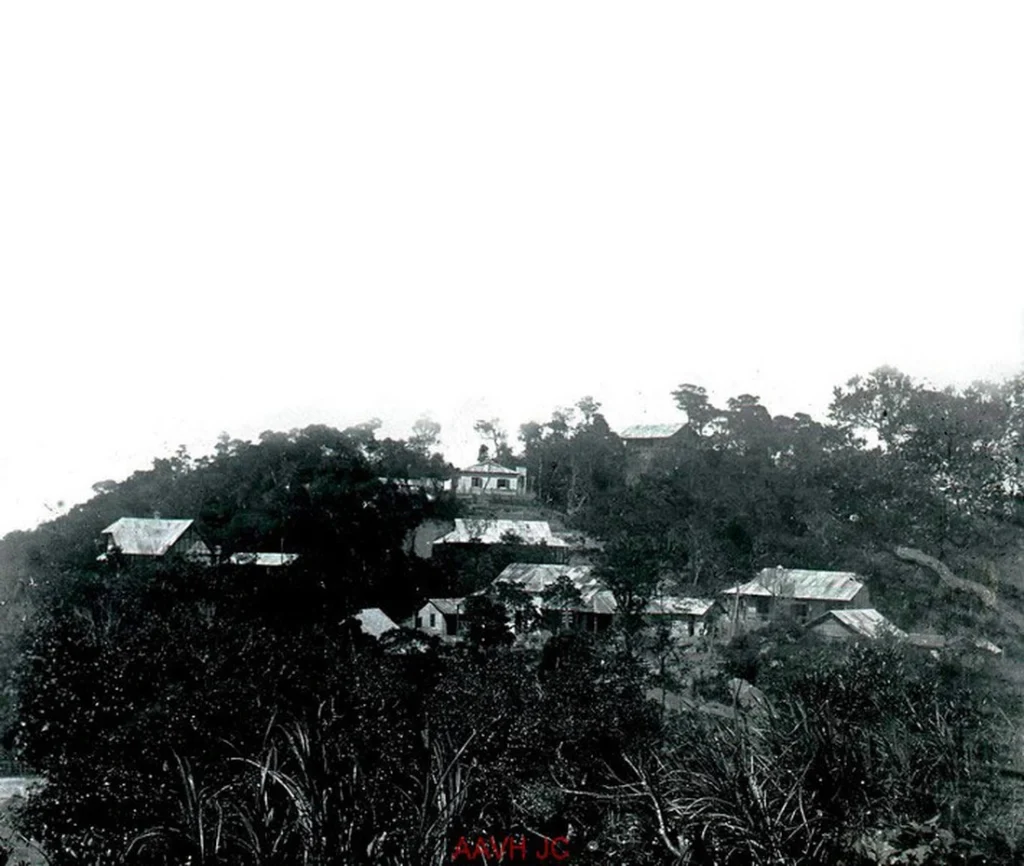
From its early days as a remote retreat for the French elite to its modern transformation into a world-renowned tourist destination, Bà Nà Hills has a rich and fascinating history.
If you ever find yourself walking on the cloud-covered peaks of Bà Nà, take a moment to reflect on the history beneath your feet—the stories of those who ventured up the mountain in search of respite, adventure, and a little piece of home.